About Me
My Story
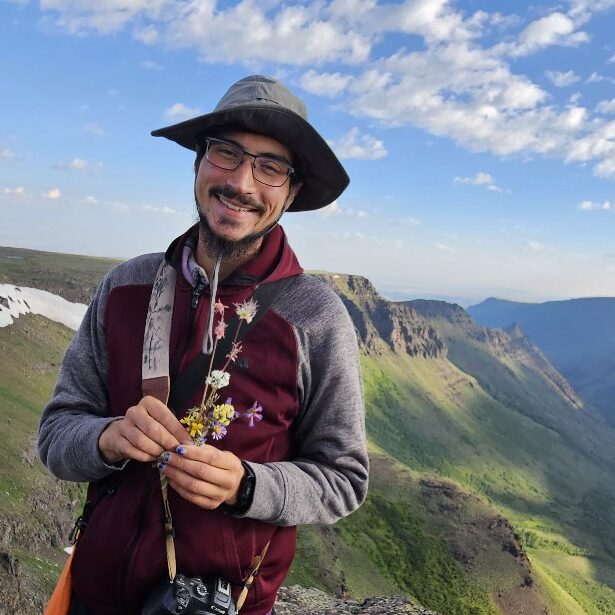
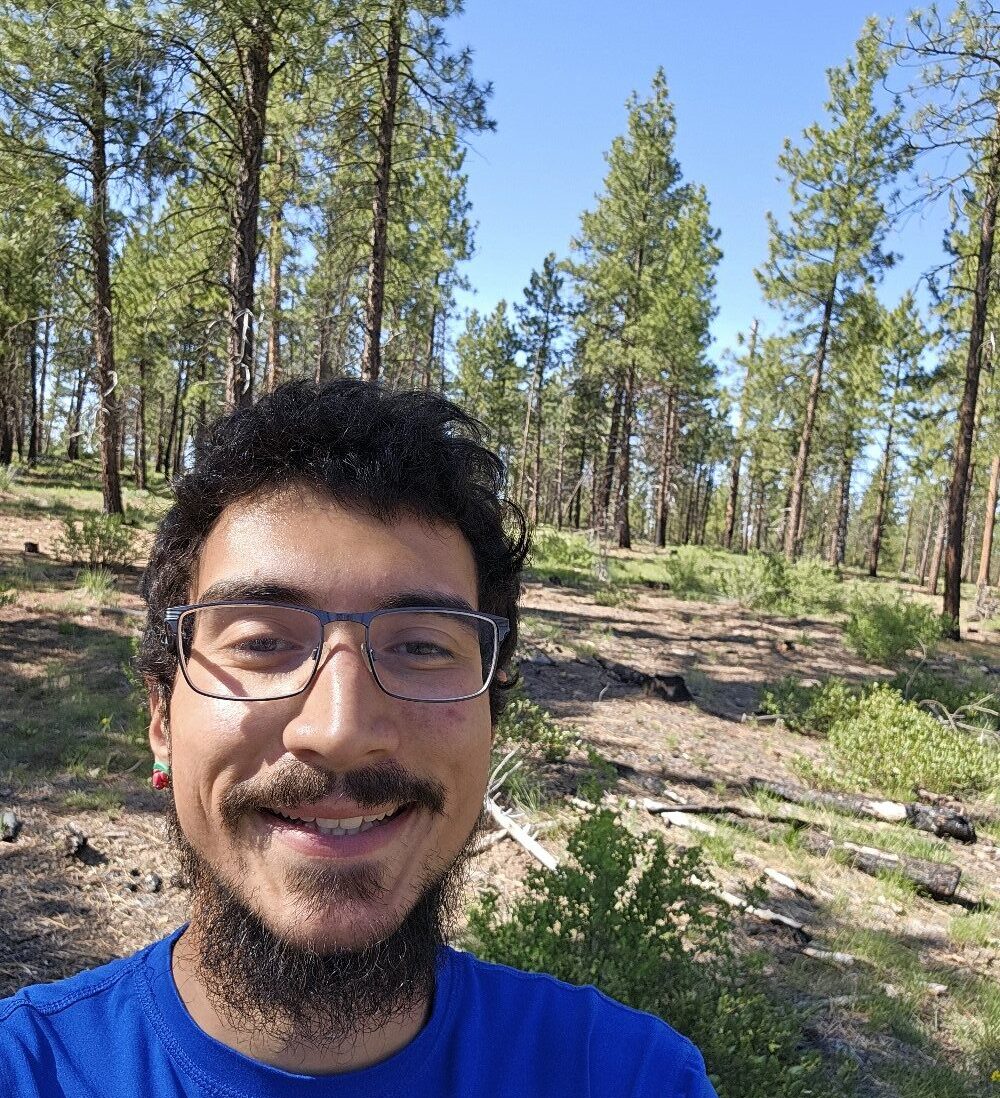
Hi, I’m Esteban Mendez! My love of nature was cultivated through my childhood of exploring creeks, climbing ridges, and searching for critters in the woods, rocks, and sands of New Jersey. After years of exploring the outdoors and caring for my own eclectic collection of animal companions, I studied biology and learned how to apply my passion for nature through a scientific lens. Continue below and on my blog to see how I’ve pursued a career of fieldwork, research, and public engagement.
Animal Husbandry
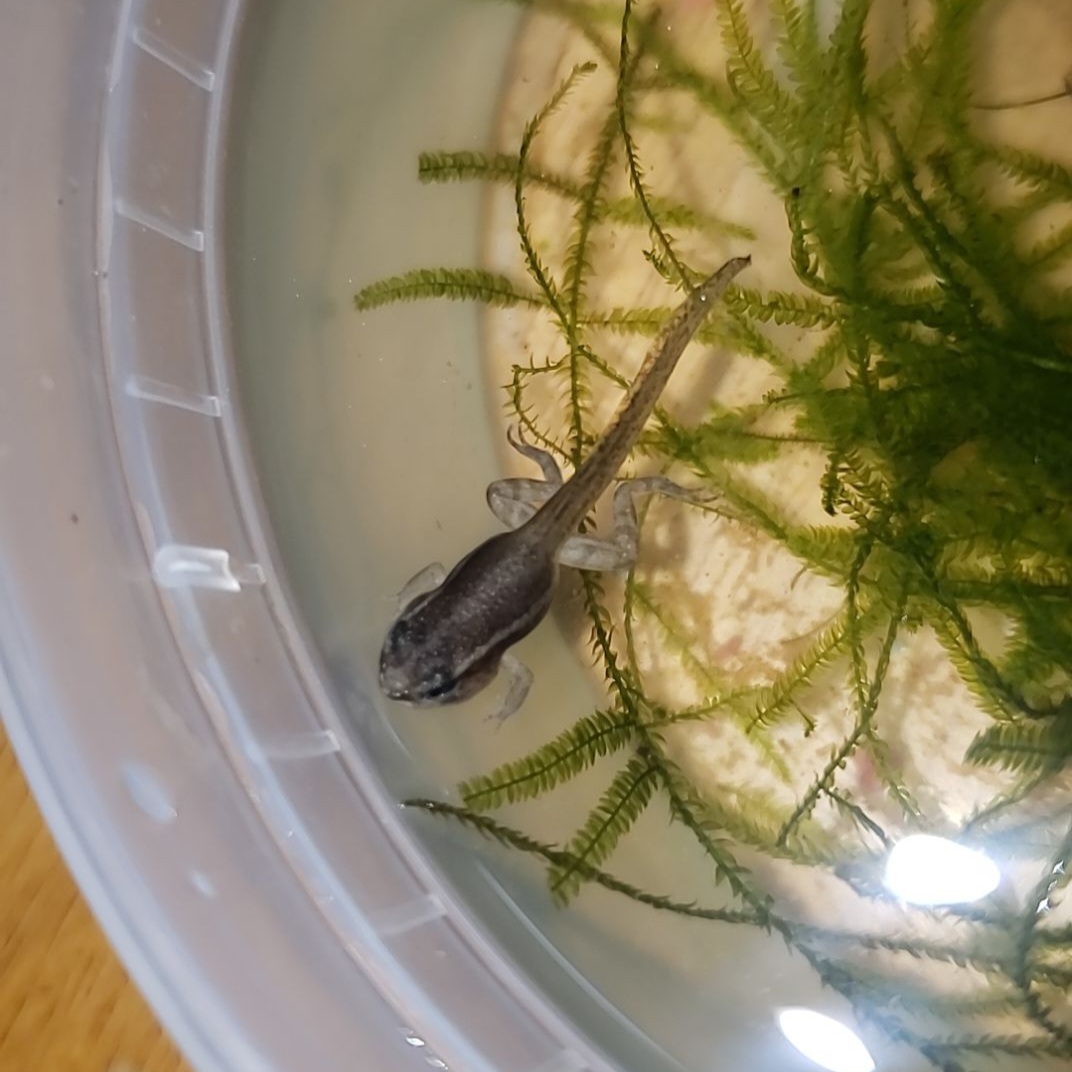
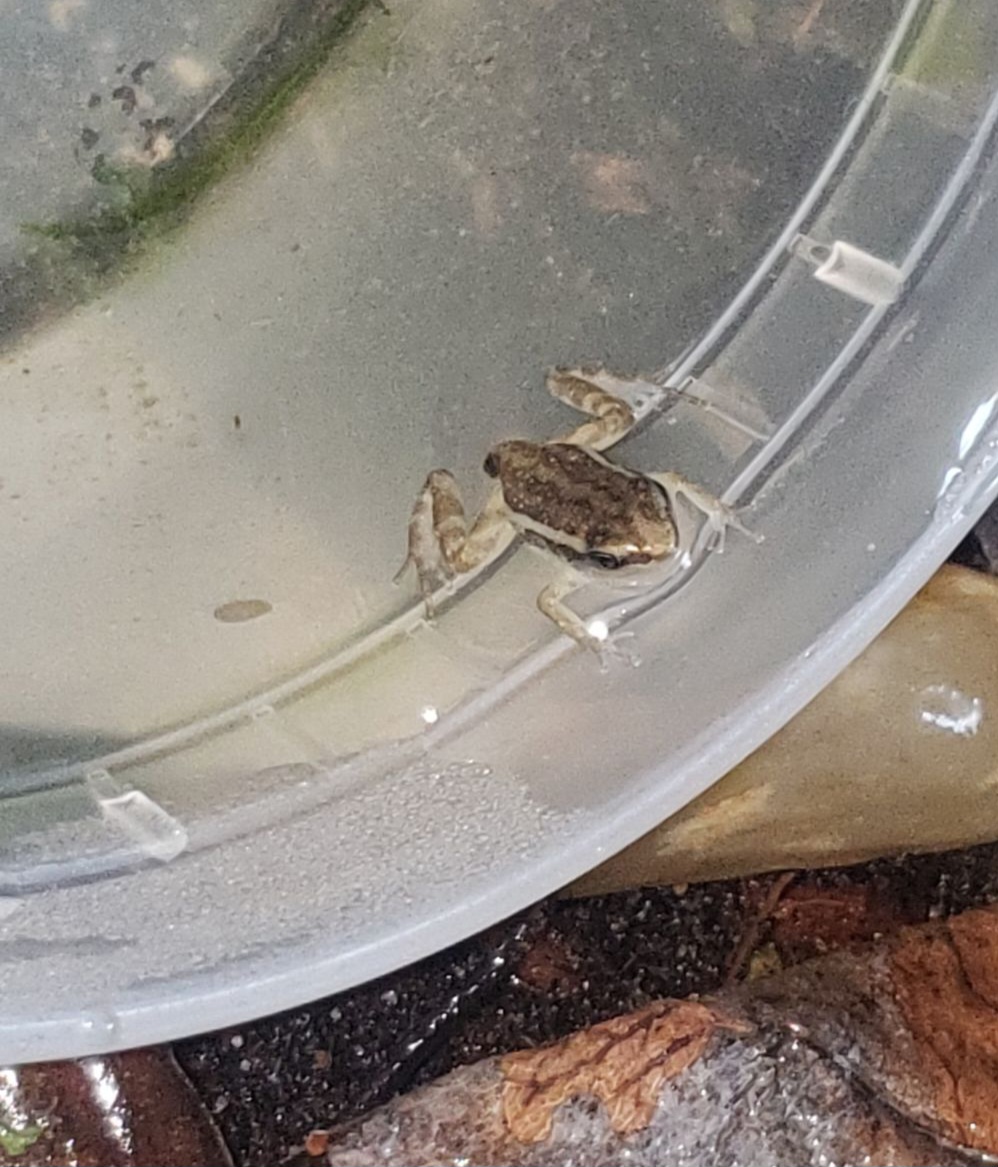
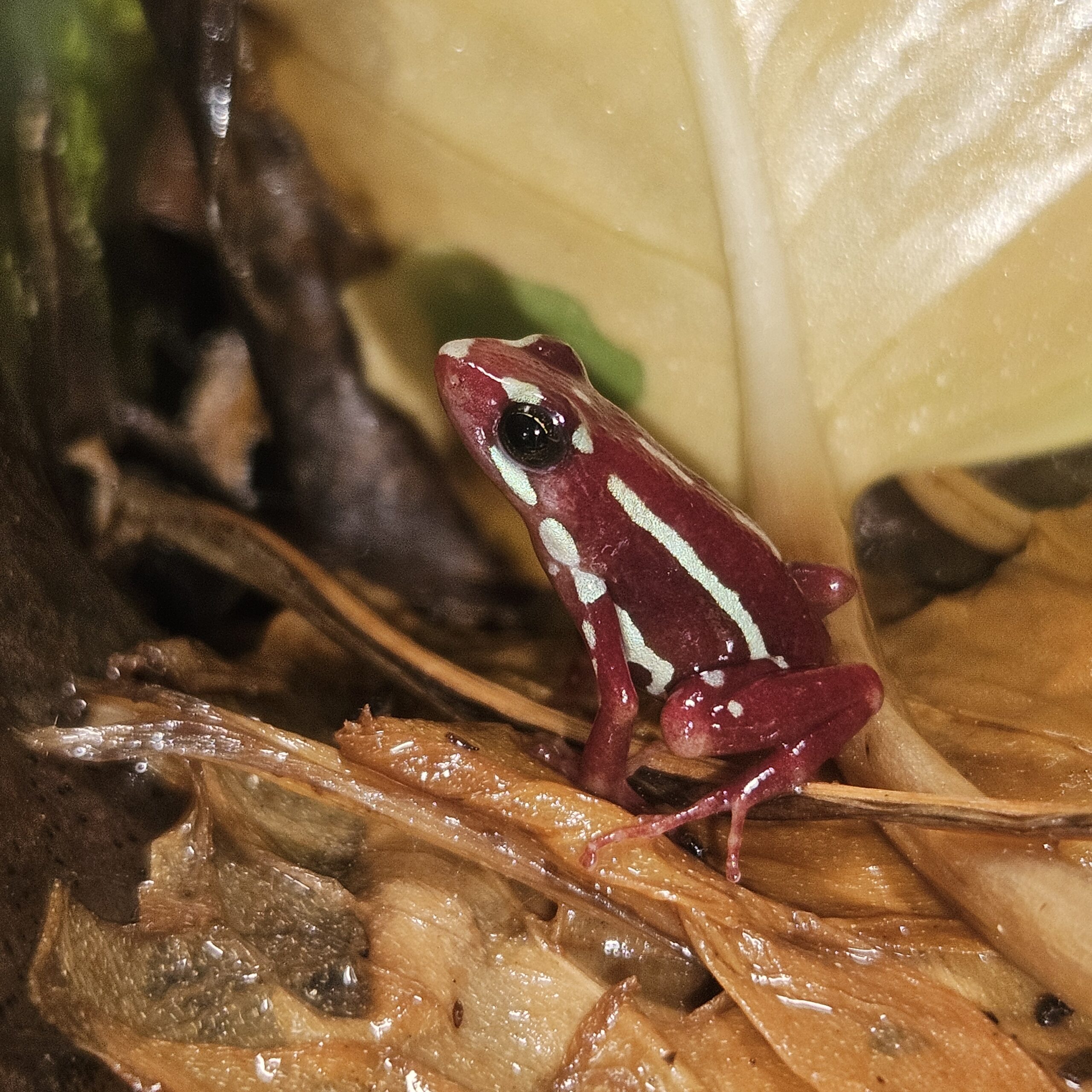
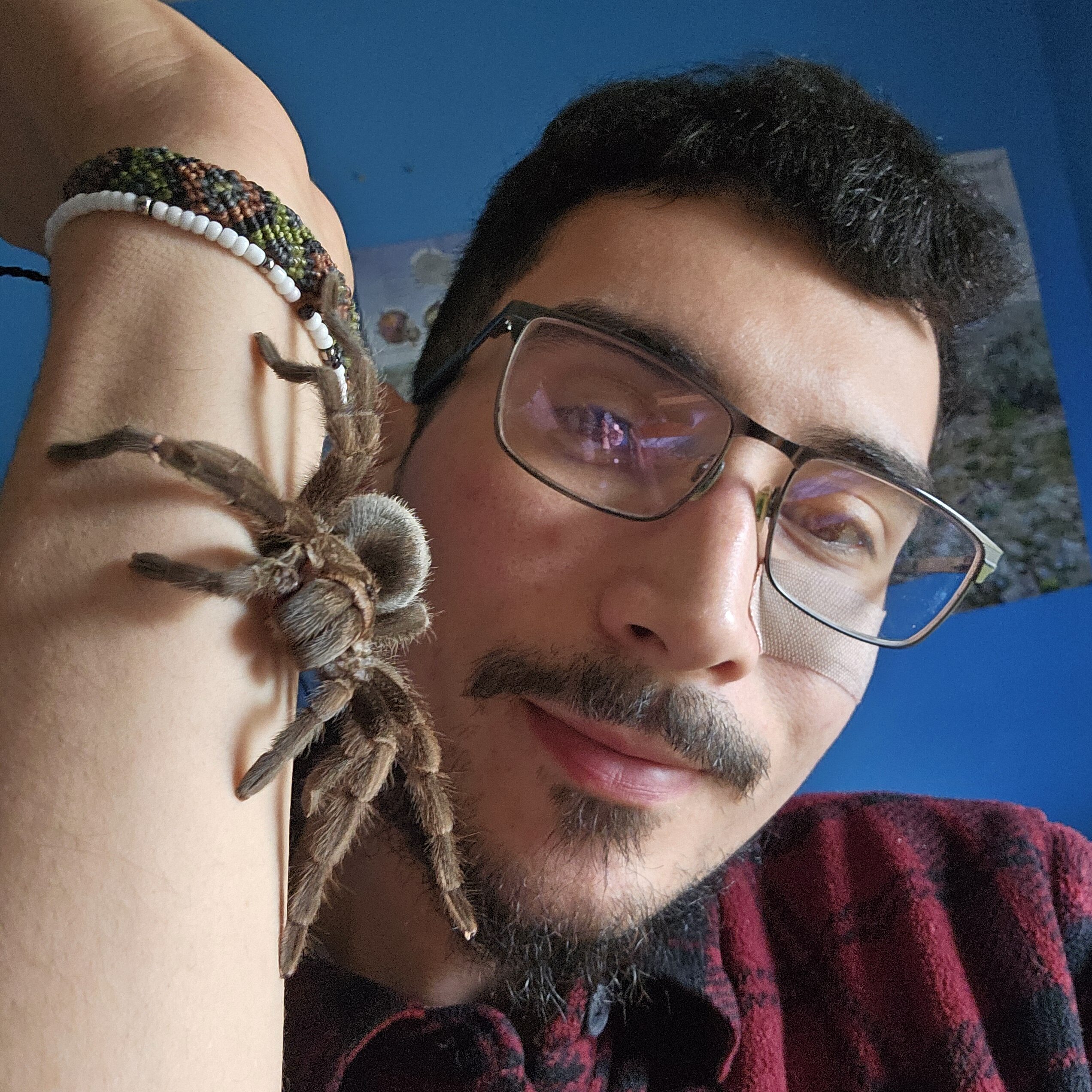
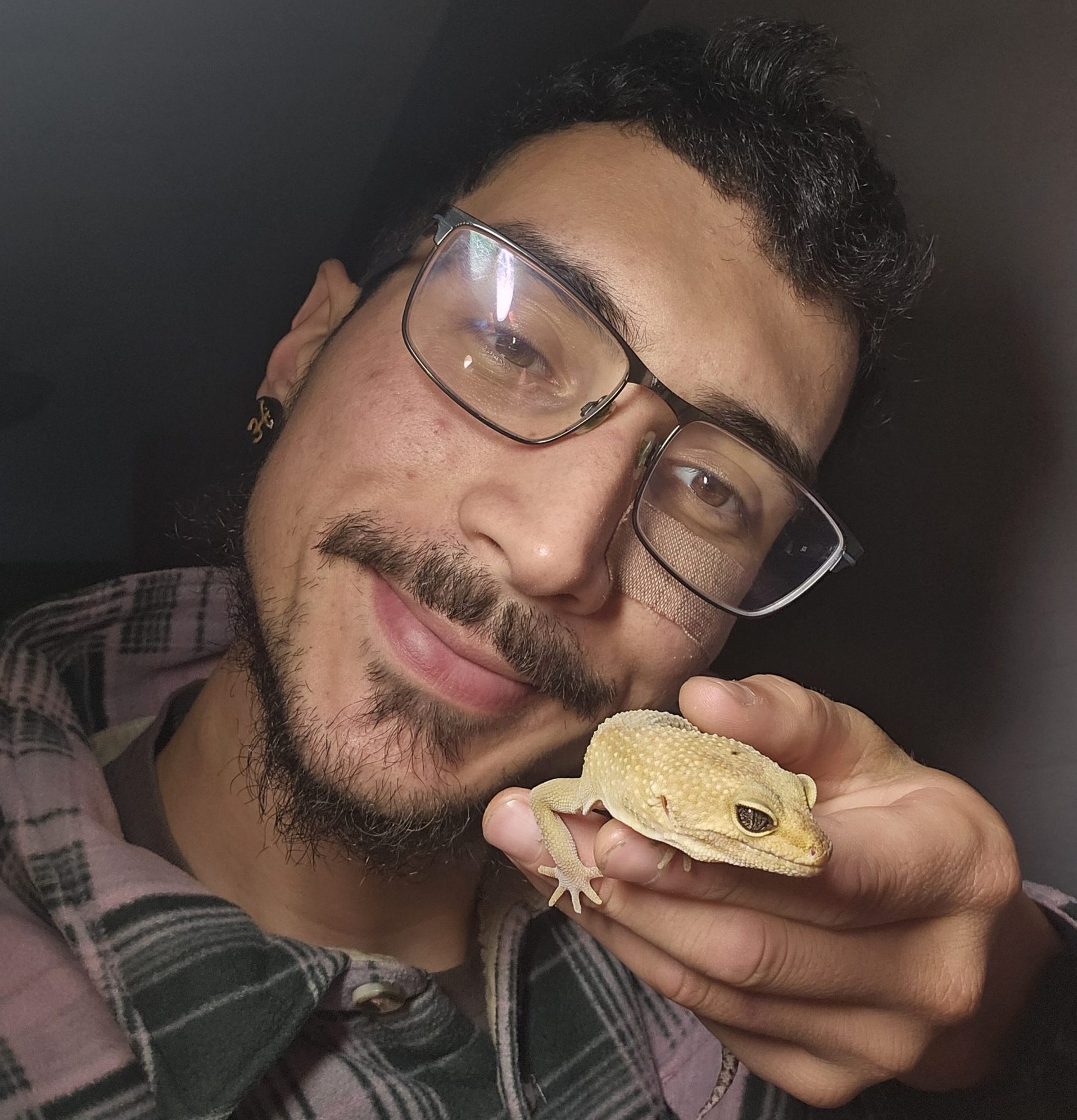
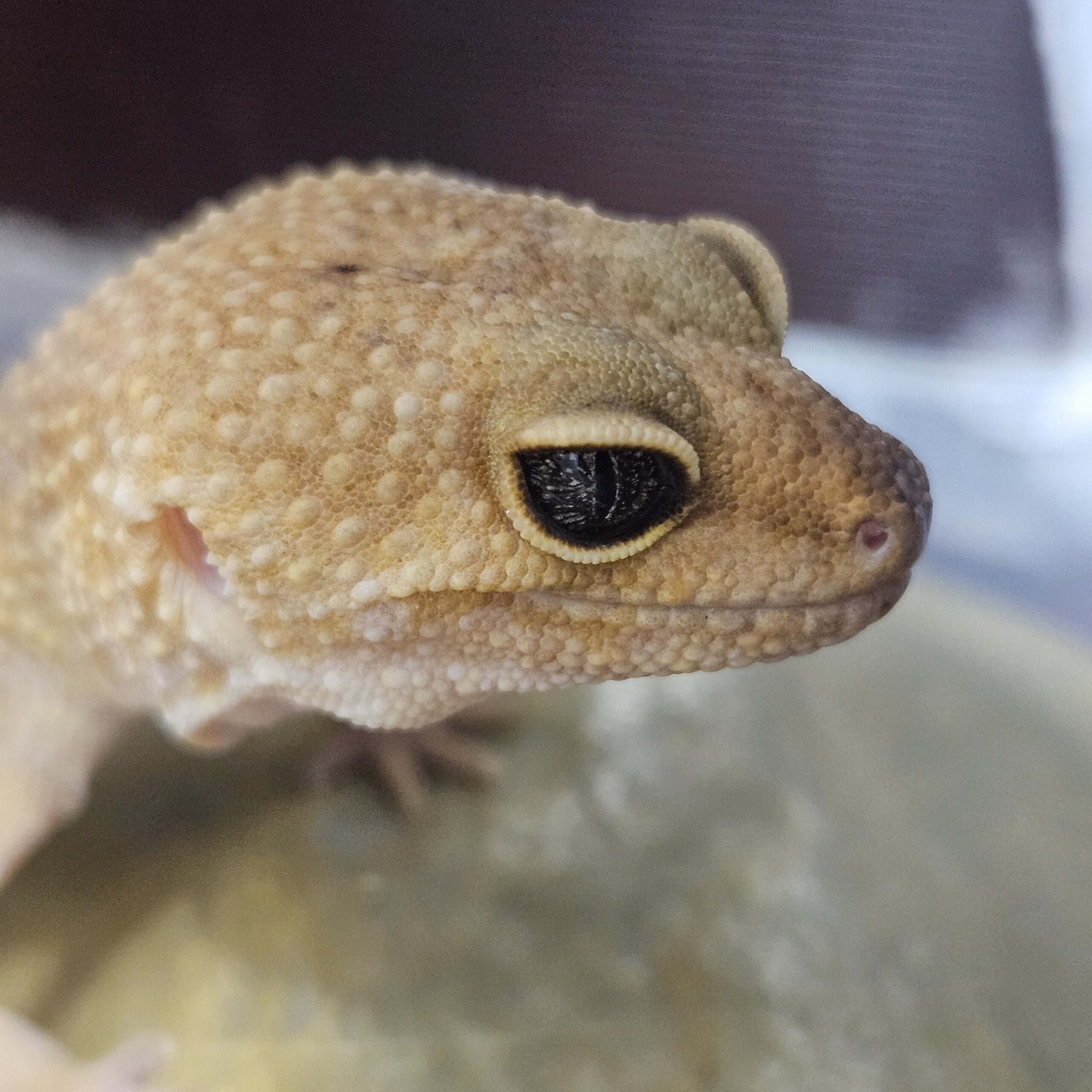
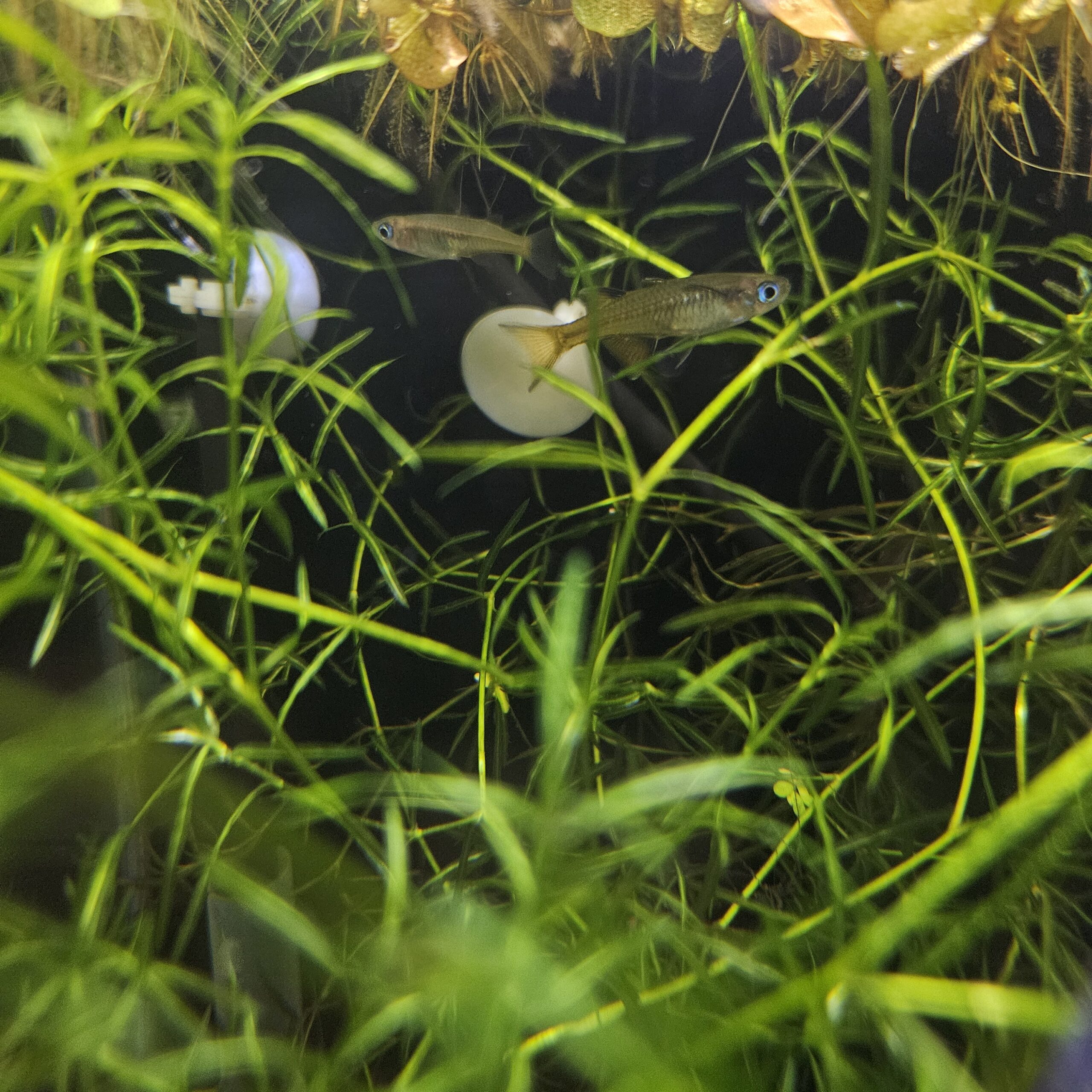
Growing up my house was always full of a diversity of tropical fish, lizards, and snakes. During the pandemic I delved deep into the world of ethics within the exotic animal keeping community and built planted and bioactive enclosures that aimed to create a mini ecosystem to fit the needs of their inhabitants. In keeping these unconventional pets I’ve had the pleasure of befriending a 15 year old leopard gecko, raising many poison dart frog tadpoles, and using my animals as ambassadors to combat stigmas.
Slithering into Science
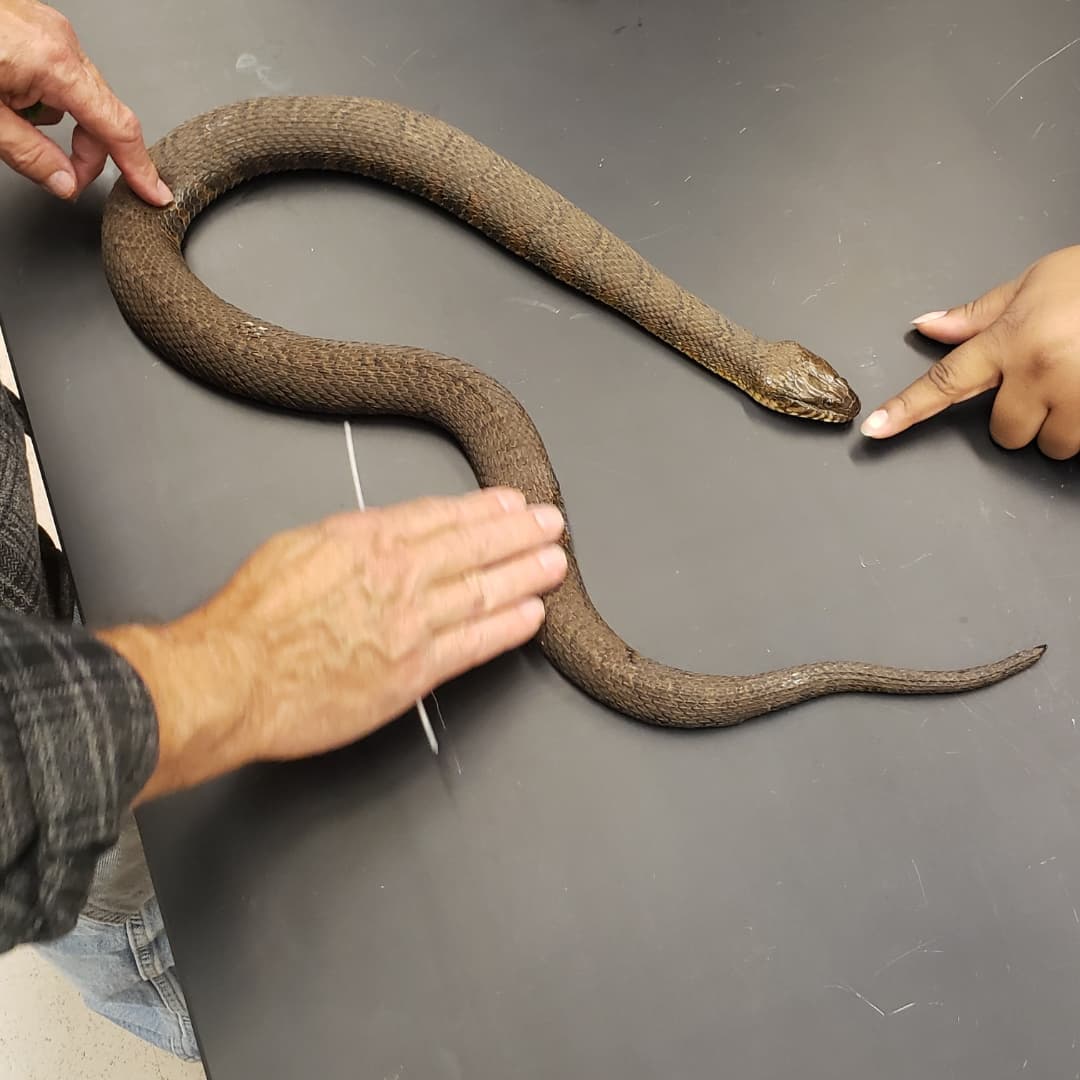
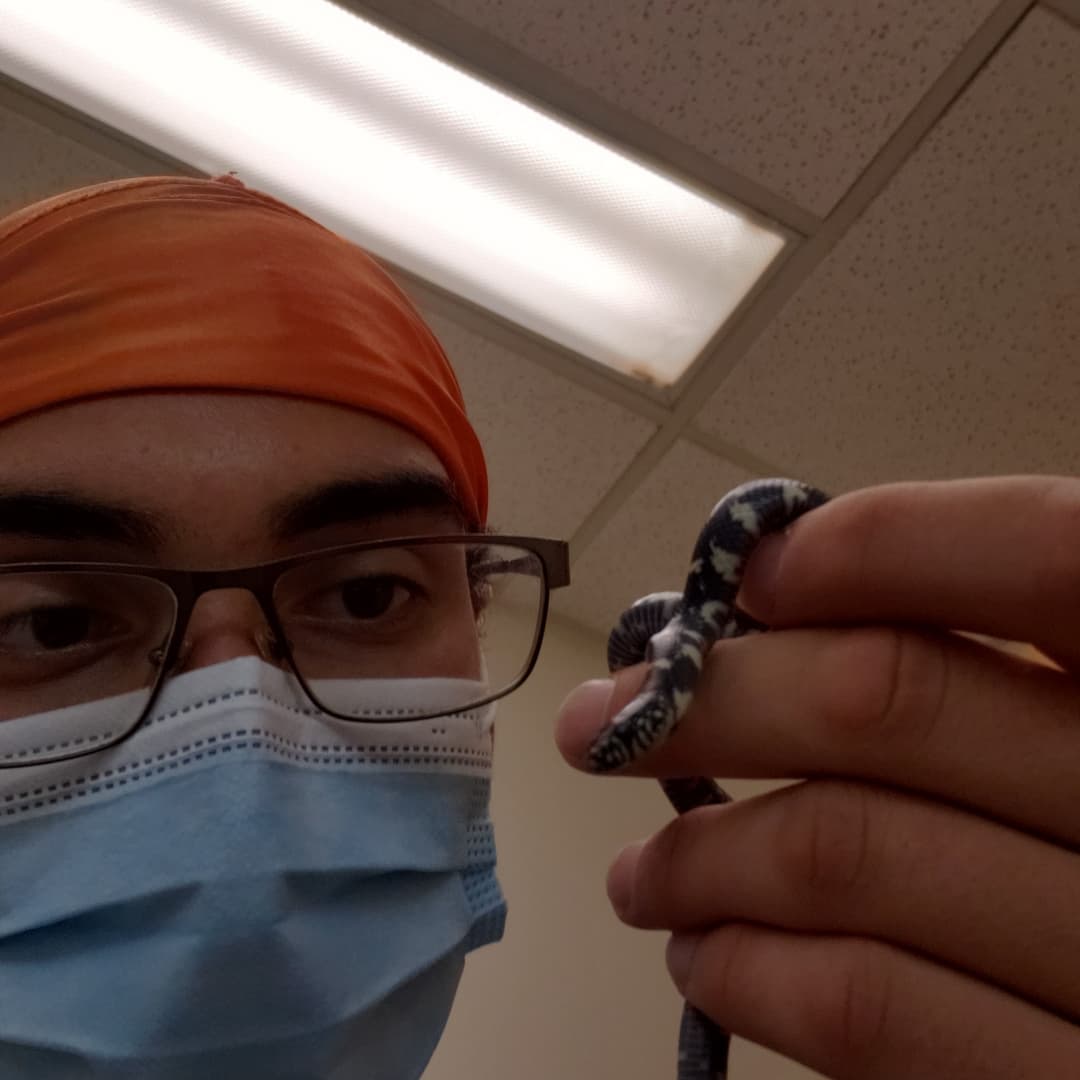
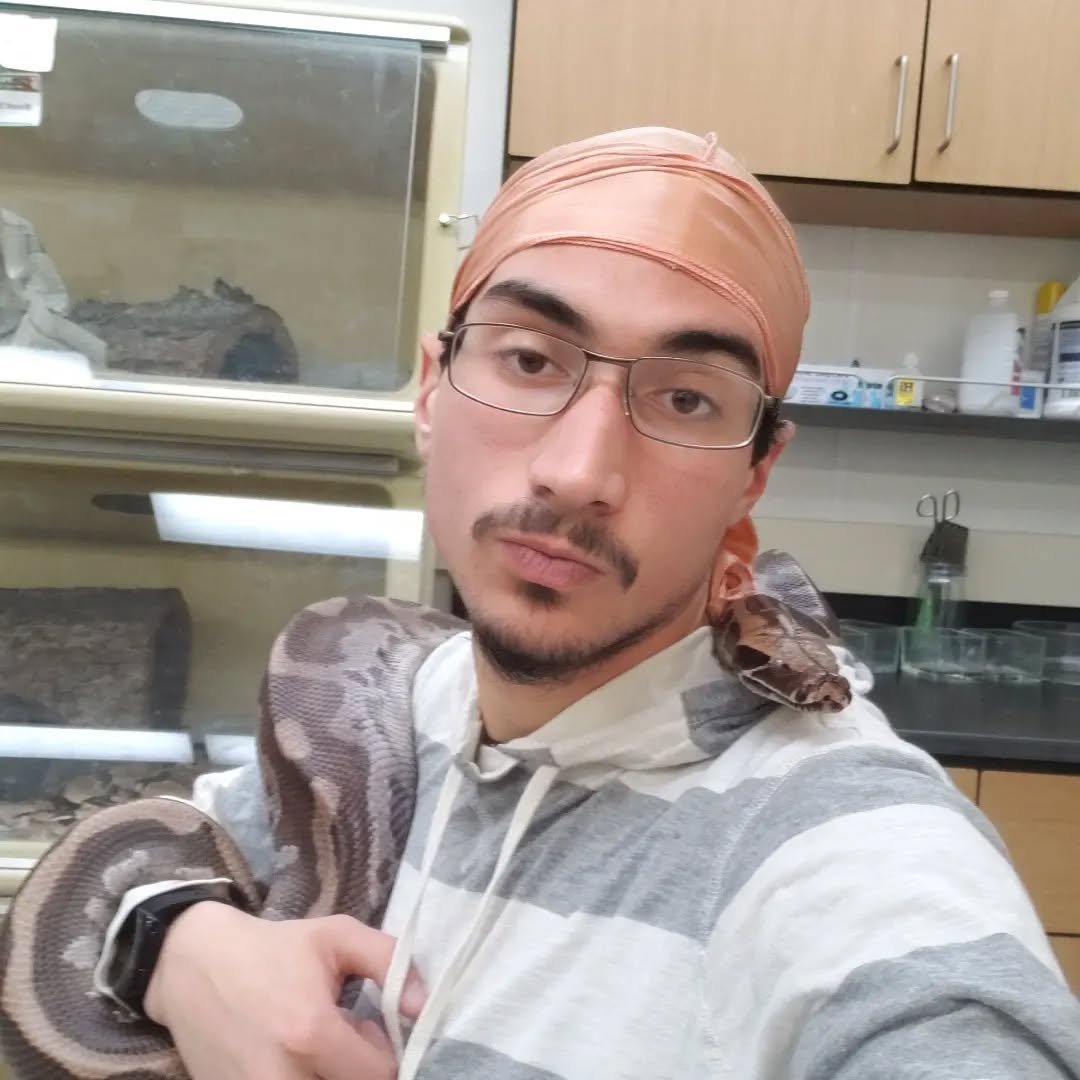
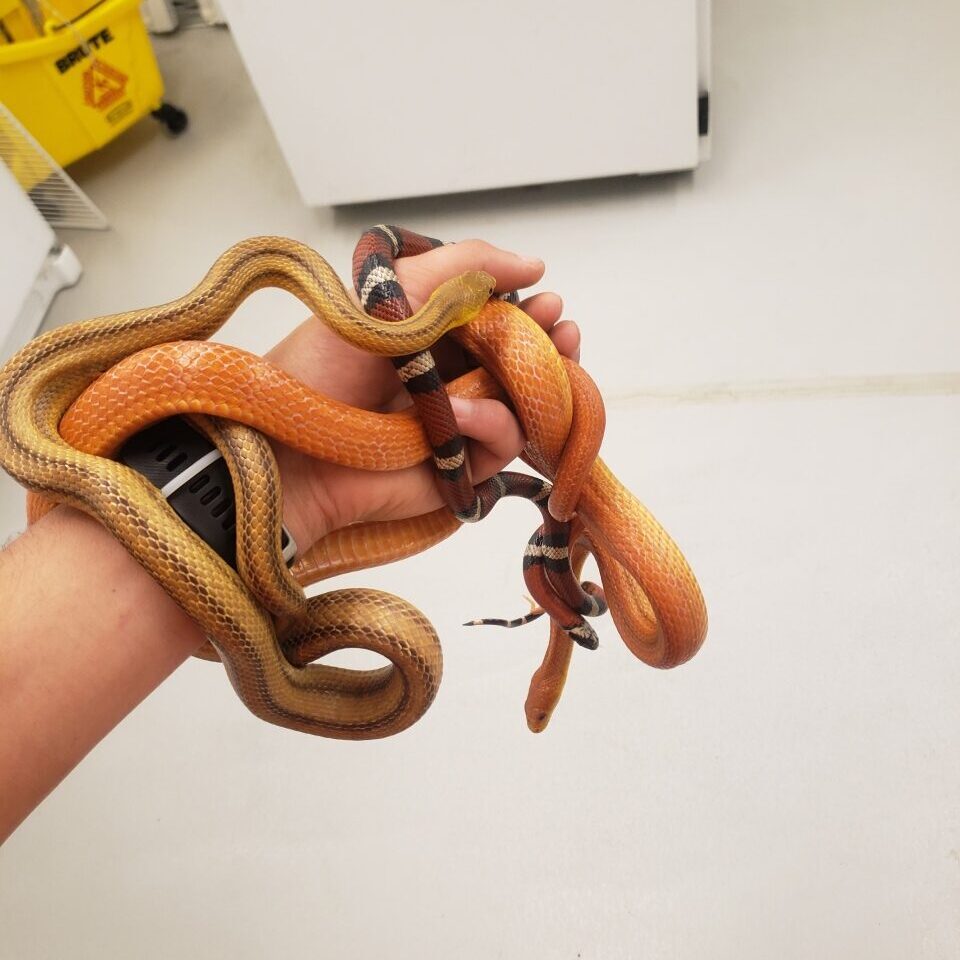
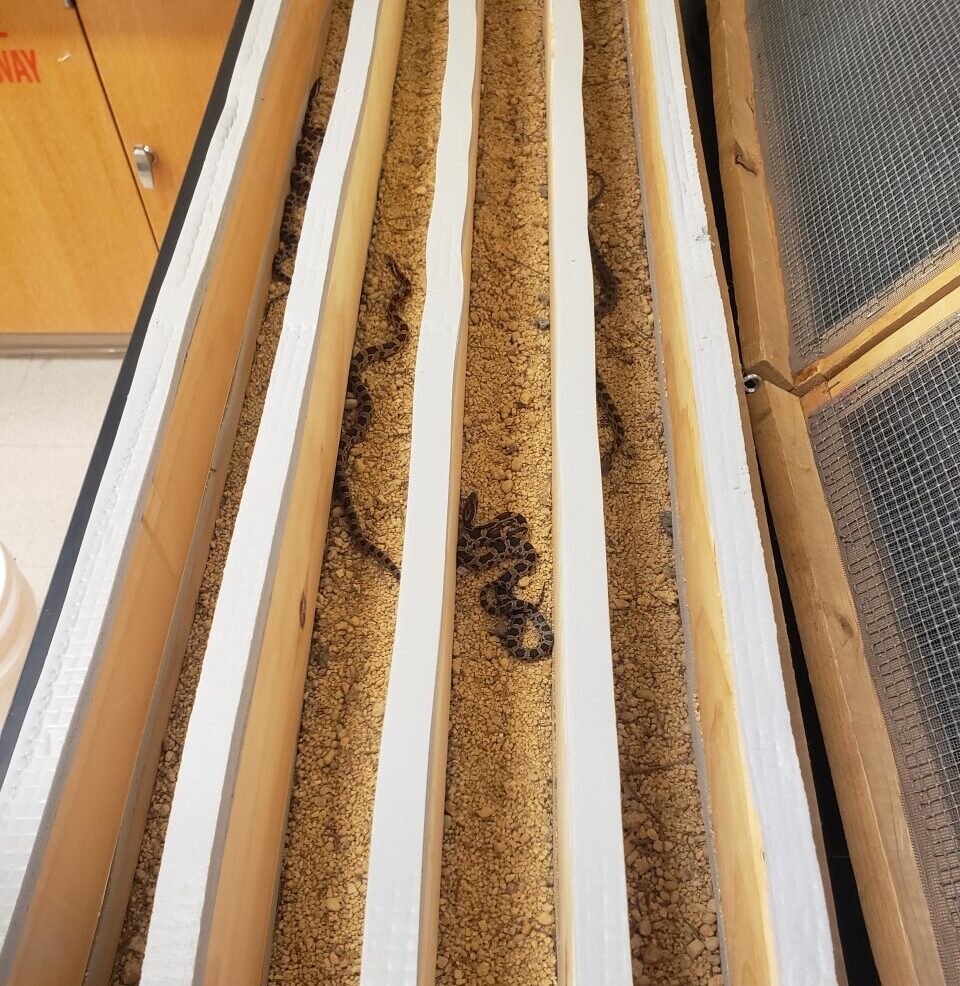
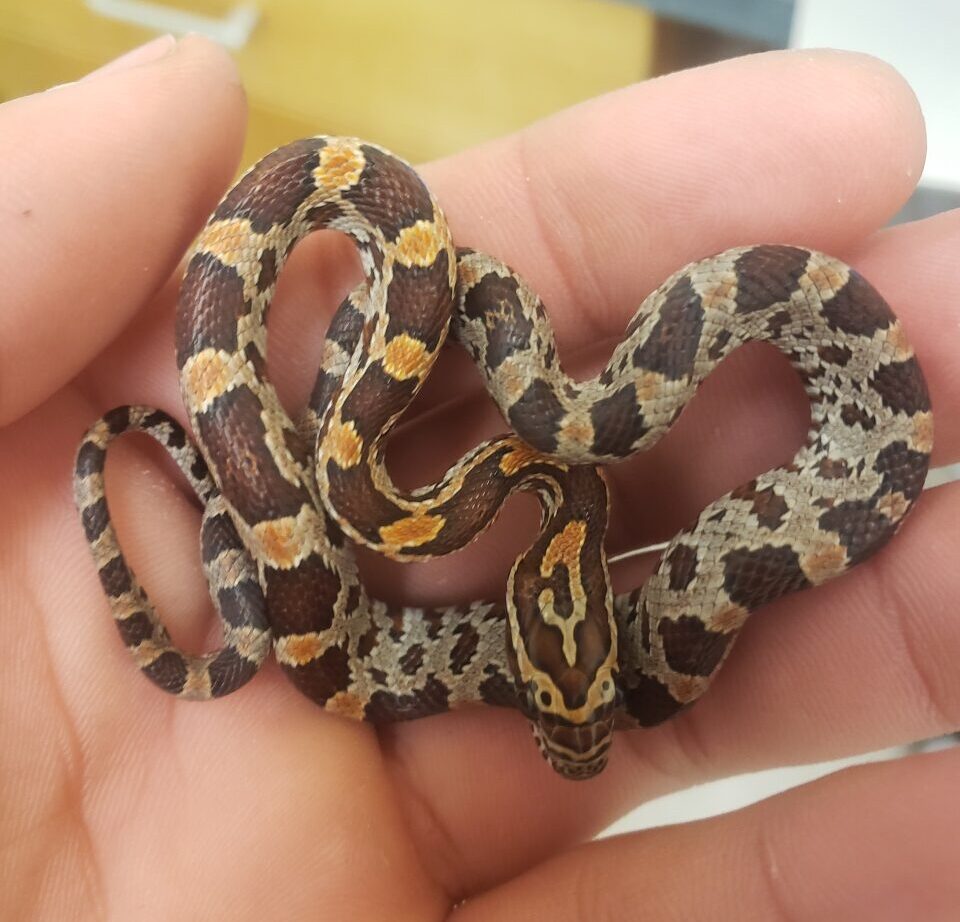
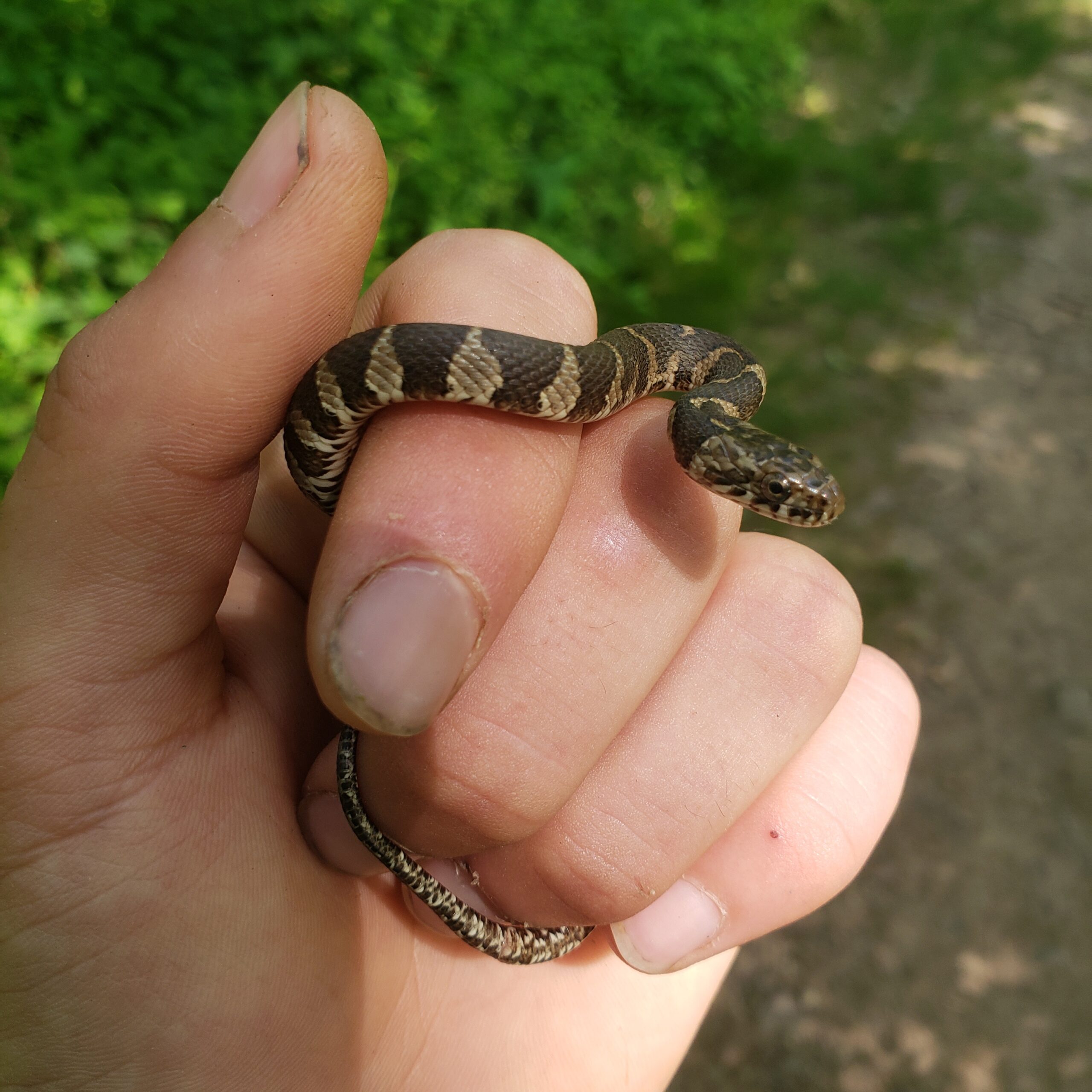
My fascination with nature led me to pursue Biology in college. Along with courses like avian ecology and plant-insect interactions, I joined Dr. Howard Reinert’s snake ecology and behavior lab. Over the course of 2 years I worked on several research projects. Diving right into field work, I set traps and captured a large adult Northern Water Snake (Nerodia sipenodon). After performing surgery to implant a radio transmitter, I used radiotelemetry to track her through streams and wetlands until she found a site to spend the winter. Once she did, my team embedded a ground temperature probe, which along with the data from her embedded transmitter could tell us her depth and activity level. In the lab, I implanted RFID tags into over 30 tiny newly hatched neonatal Eastern Kingsnakes (Lampropeltis getula) and New Jersey endangered Corn Snakes (Pantheropis guttatus). Though I was experienced in handling many animals, this kind of work was very new to me, but it gave me a great introduction to doing hands-on research. Over the 2 winters I cared for these baby snakes as part of a head start program, I also conducted experiments on their behavior. Along with these babies I also cared for the lab’s 12 adult snakes of varying species that I used as animal ambassadors. Among them were such figures as Chicken Nugget, the over 7 foot long Boa Constrictor as well as the short and thick Blood Python named Blood Sausage.
Bugs and Birds in New Mexico
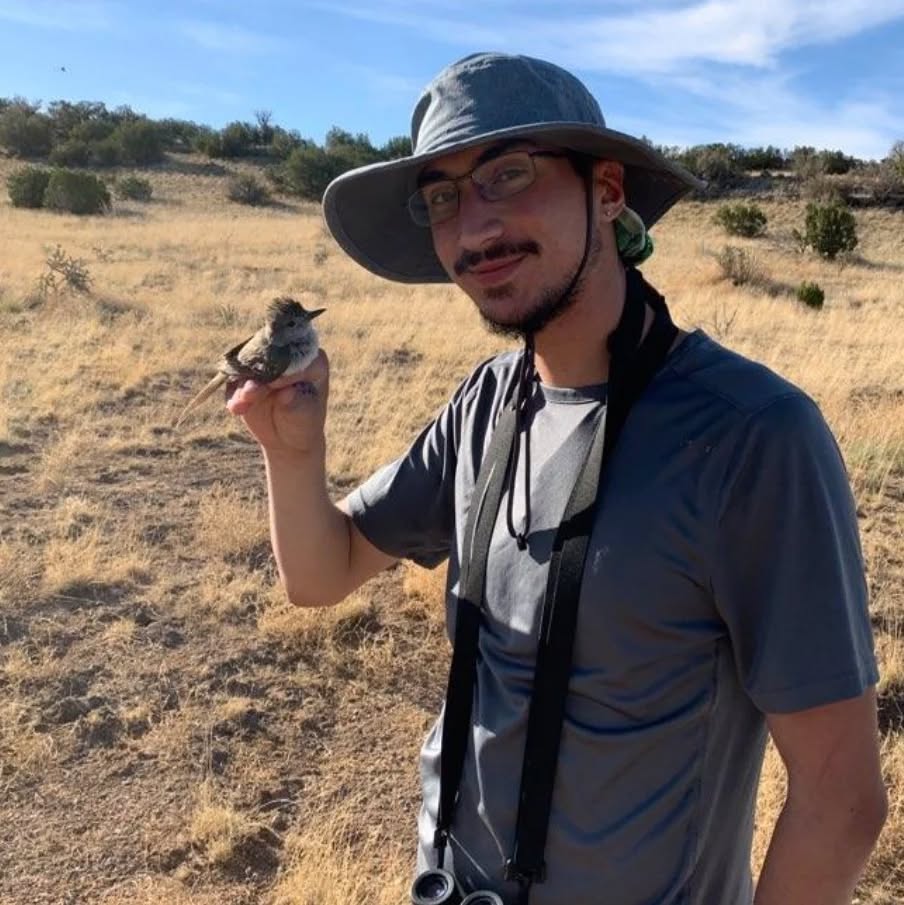
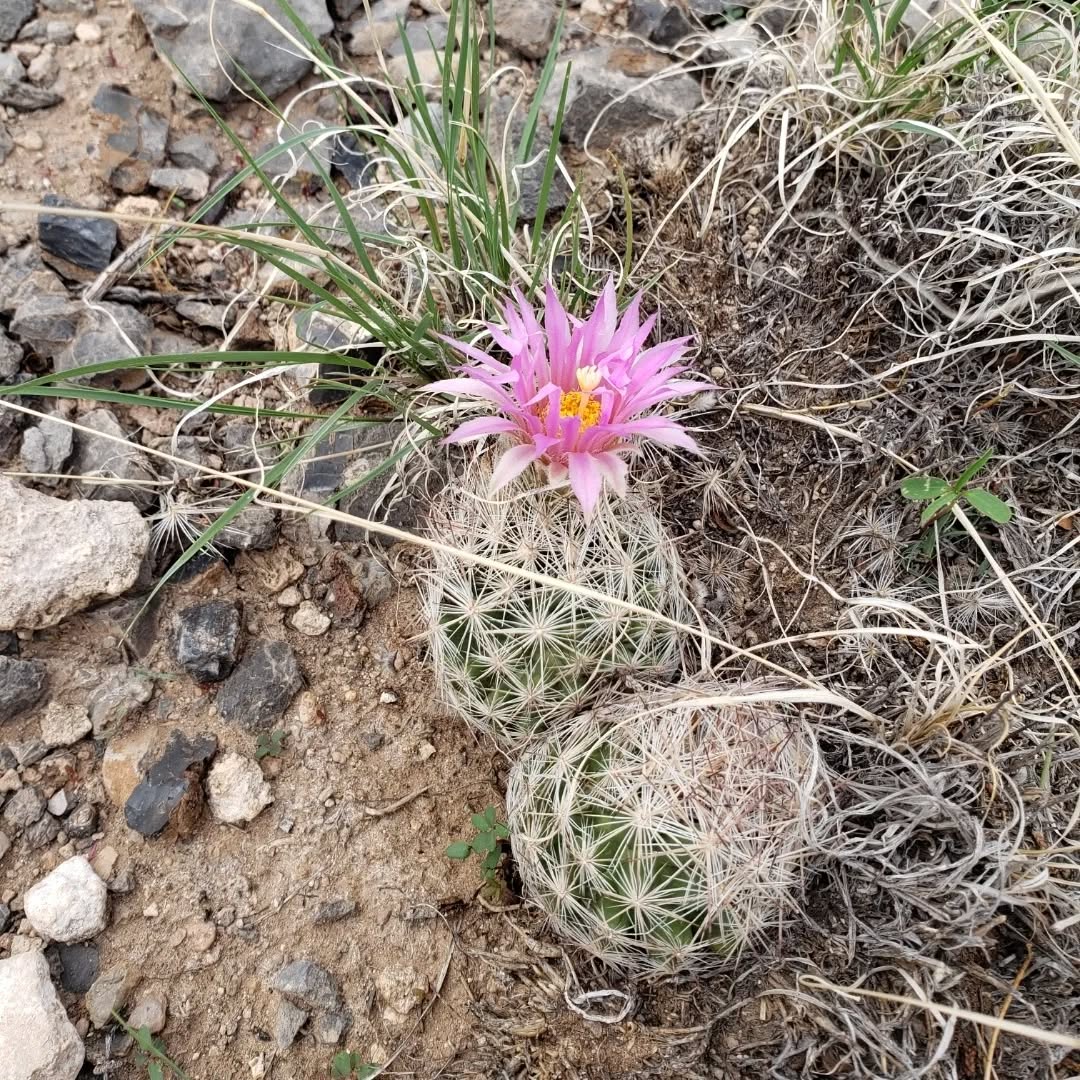
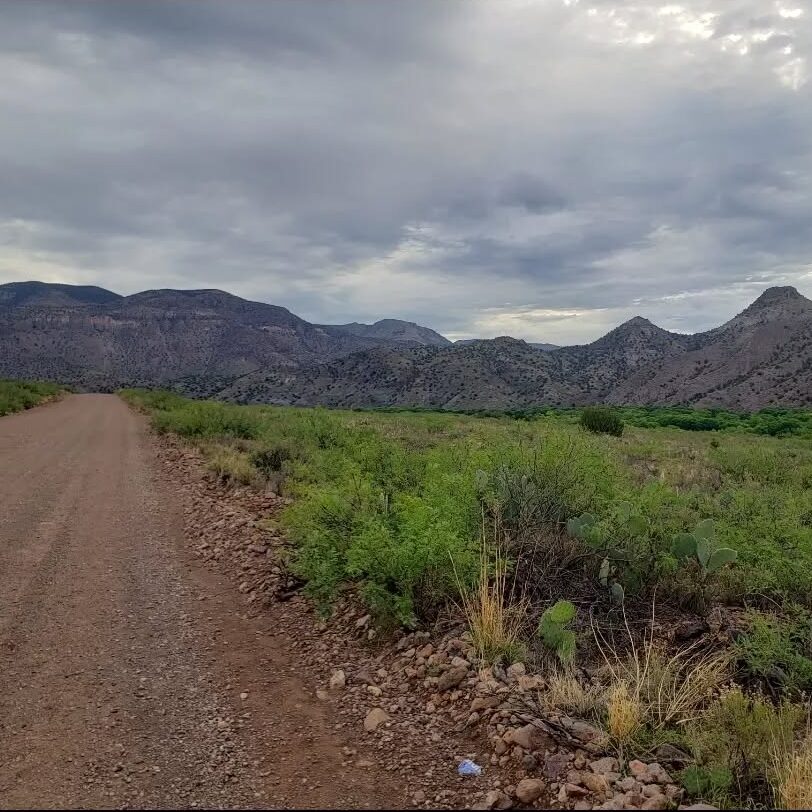
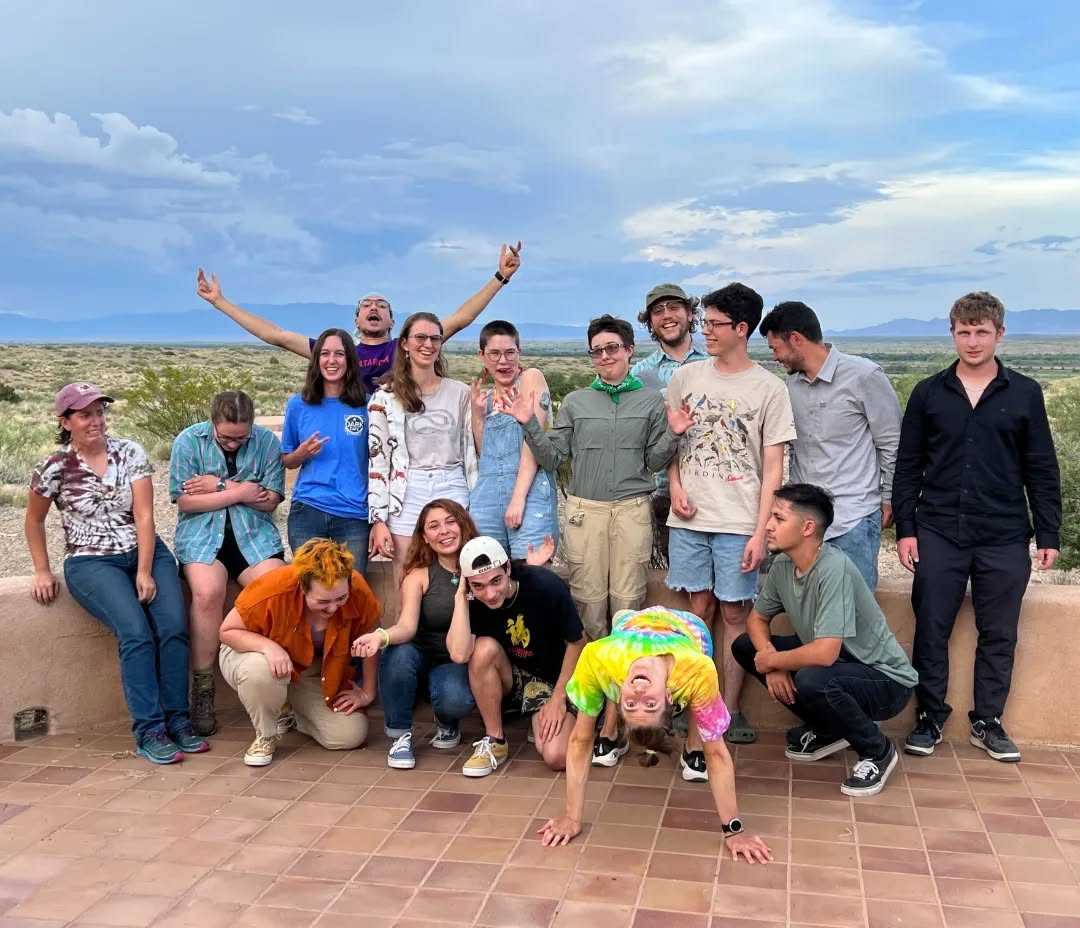
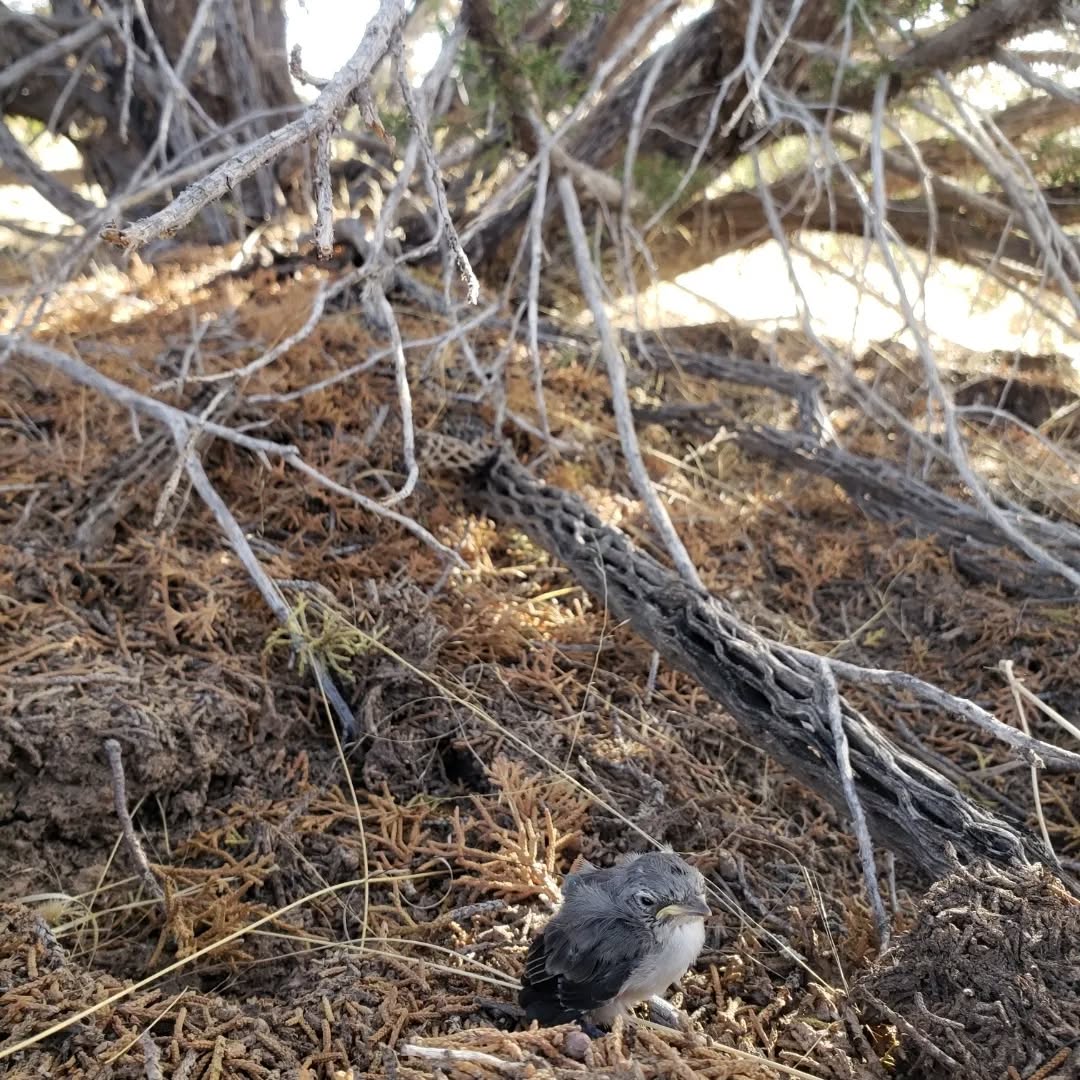
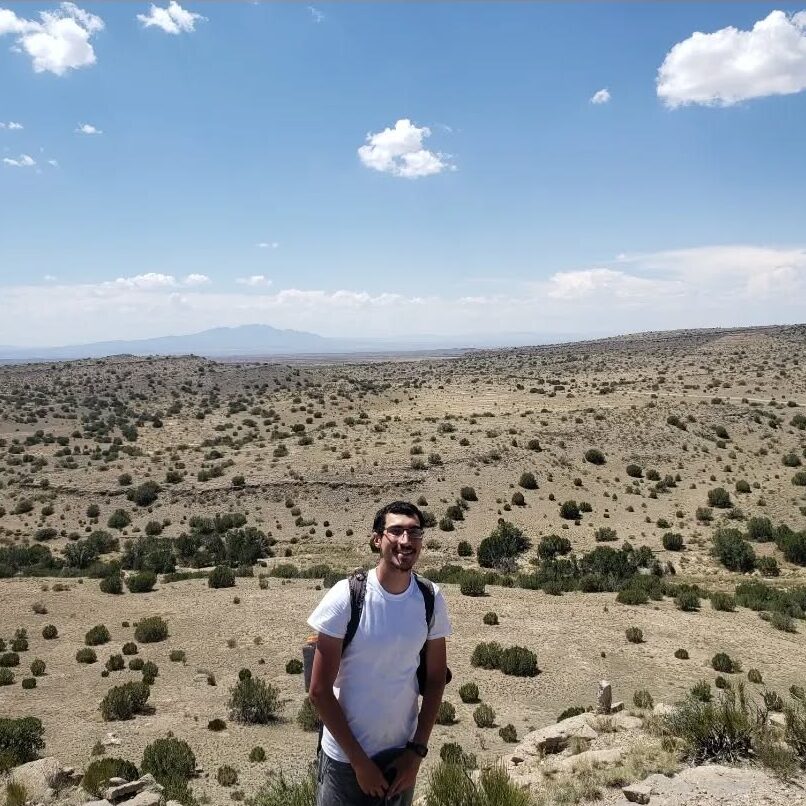
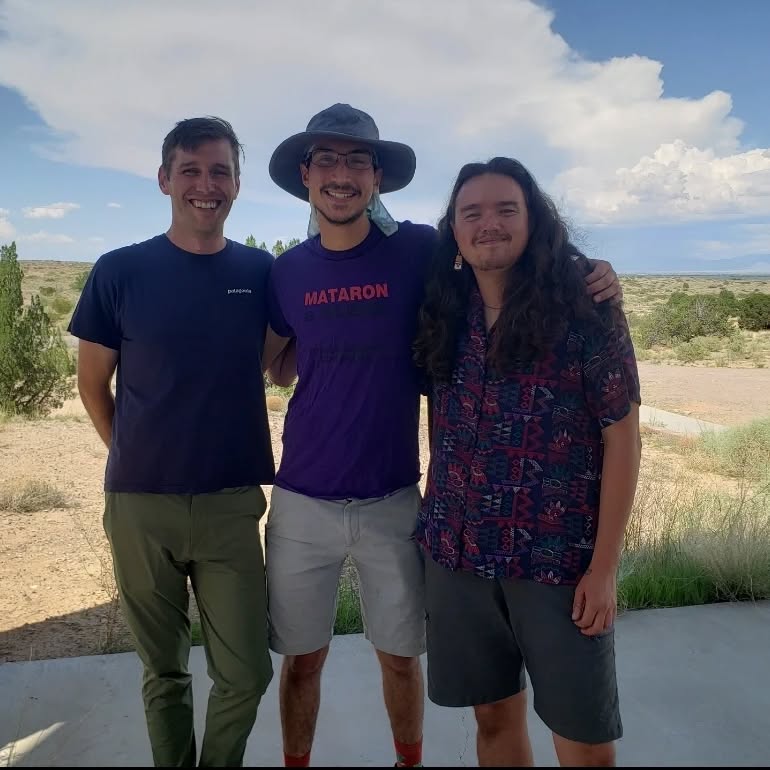
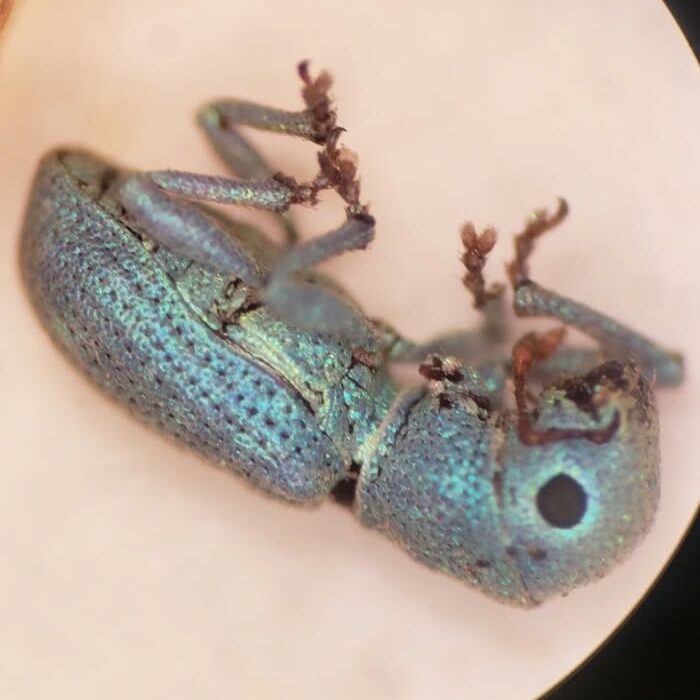
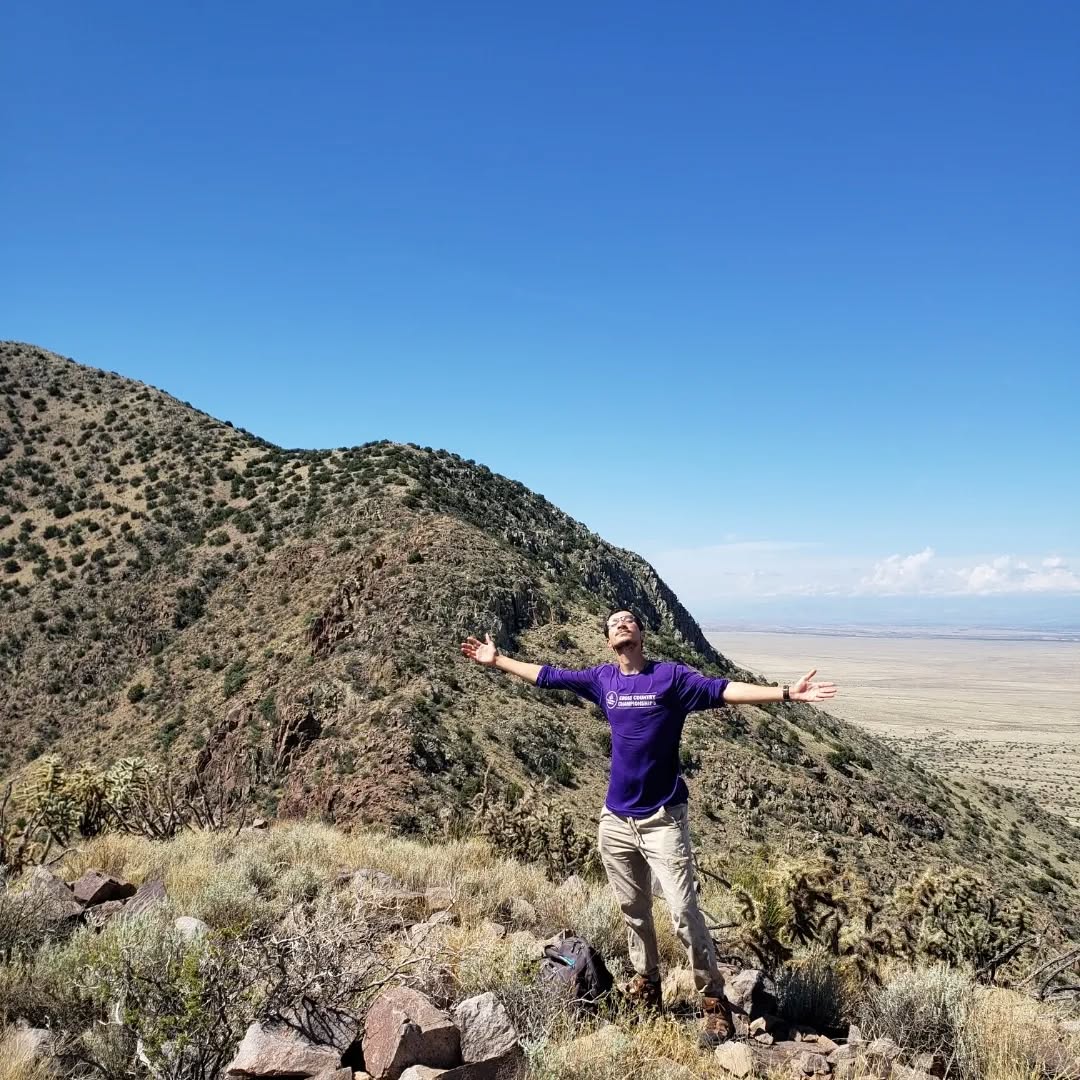
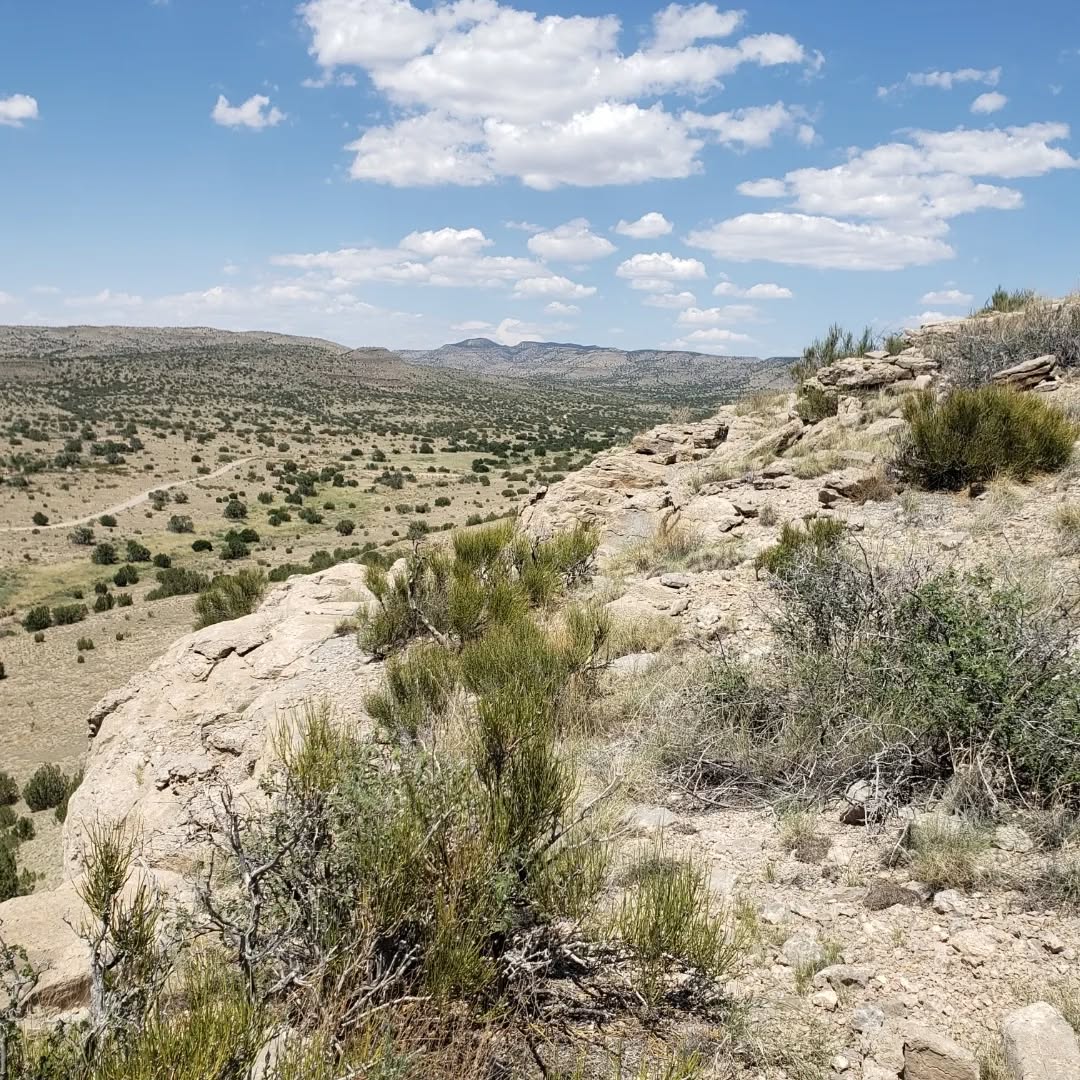
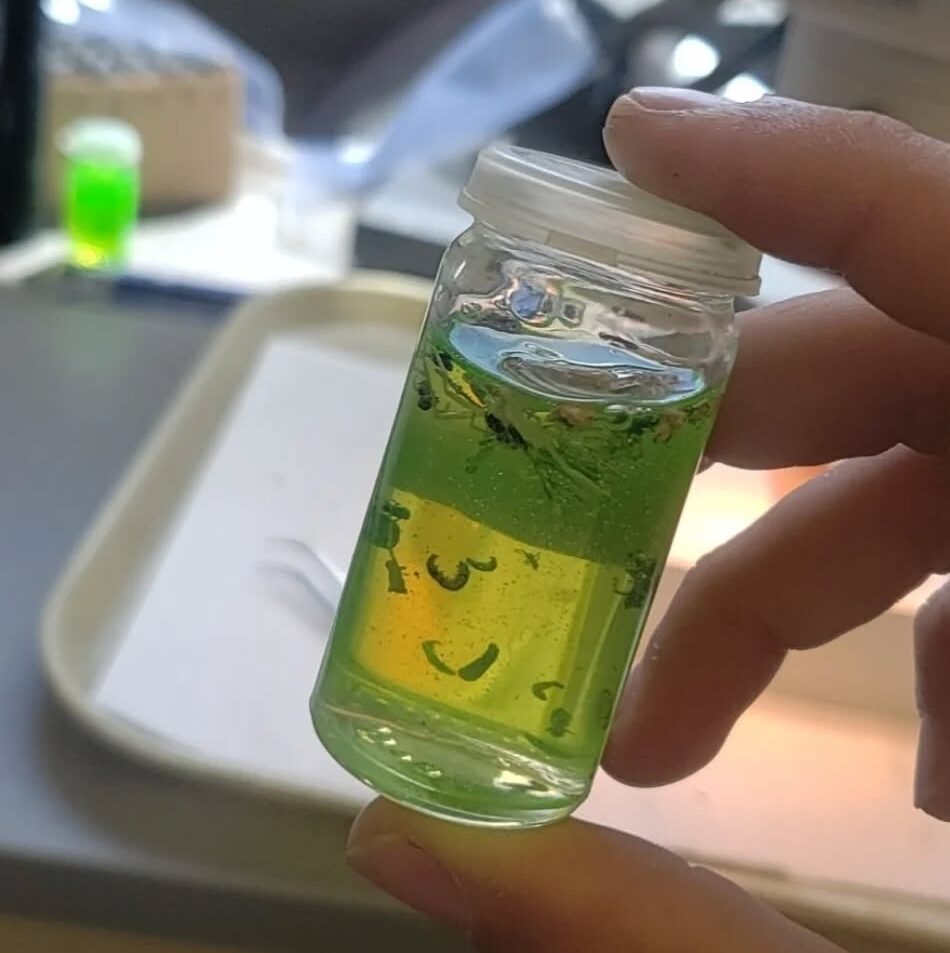
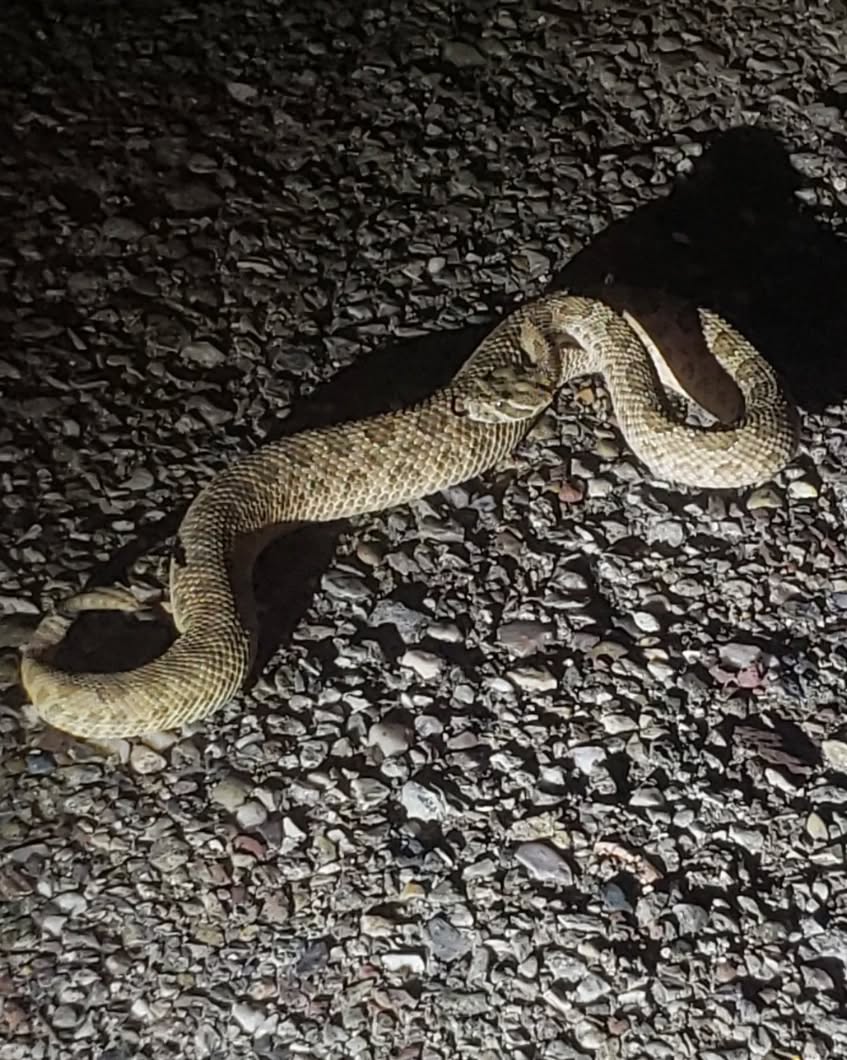
I got my chance to try out an intense fieldwork experience for the first time when I was accepted to a competitive research program for undergraduates (REU program) in Sevilleta National Wildlife Refuge in Central New Mexico. Excited and a bit nervous, I set out West for the first time. After settling into the remote field station nestled between the Río Grande and the Chihuahuan Desert, I developed a project with the help of my two ornithologist mentors. In order to untangle the factors that contribute to where desert songbirds spend their time when nesting, I created a project to sample arthropods communities across different microhabitats. After getting approval from US Fish and Wildlife officials, I used several sampling methods to collect, weigh, and identify thousands of specimens to genus. I found that the community composition of arthropods varied over short distances and should be considered in future studies of bird reproductive behavior. Along with my project, I also helped with my mentors’ projects and participated in informal herpetological surveys by “night cruising” the desert highway. This experience set me off on a path of field research and exploration of the diverse nature of North America.
Stewarding the Land
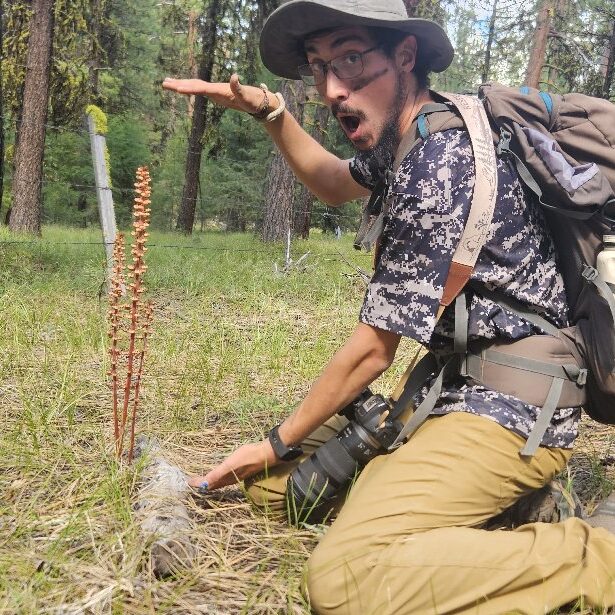
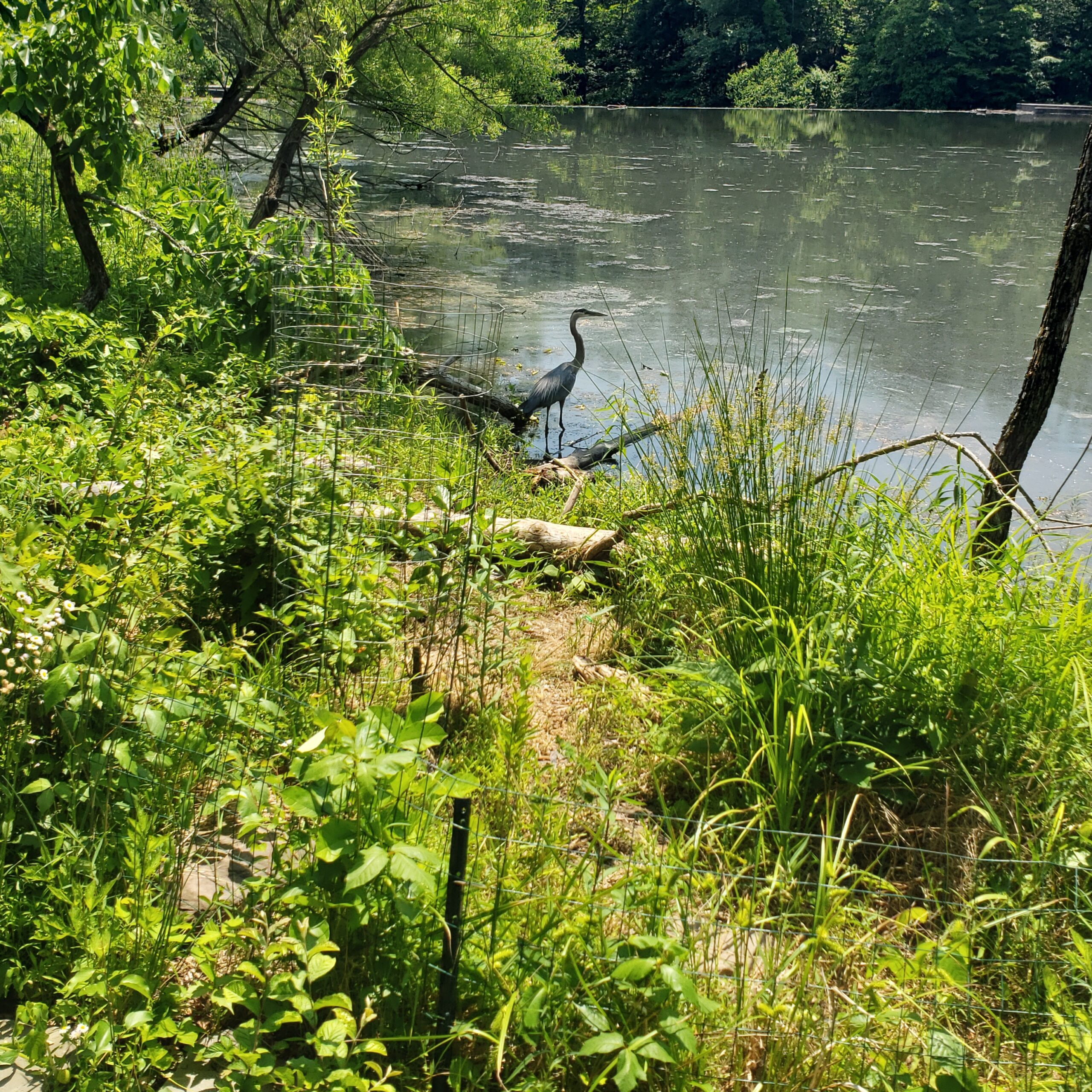
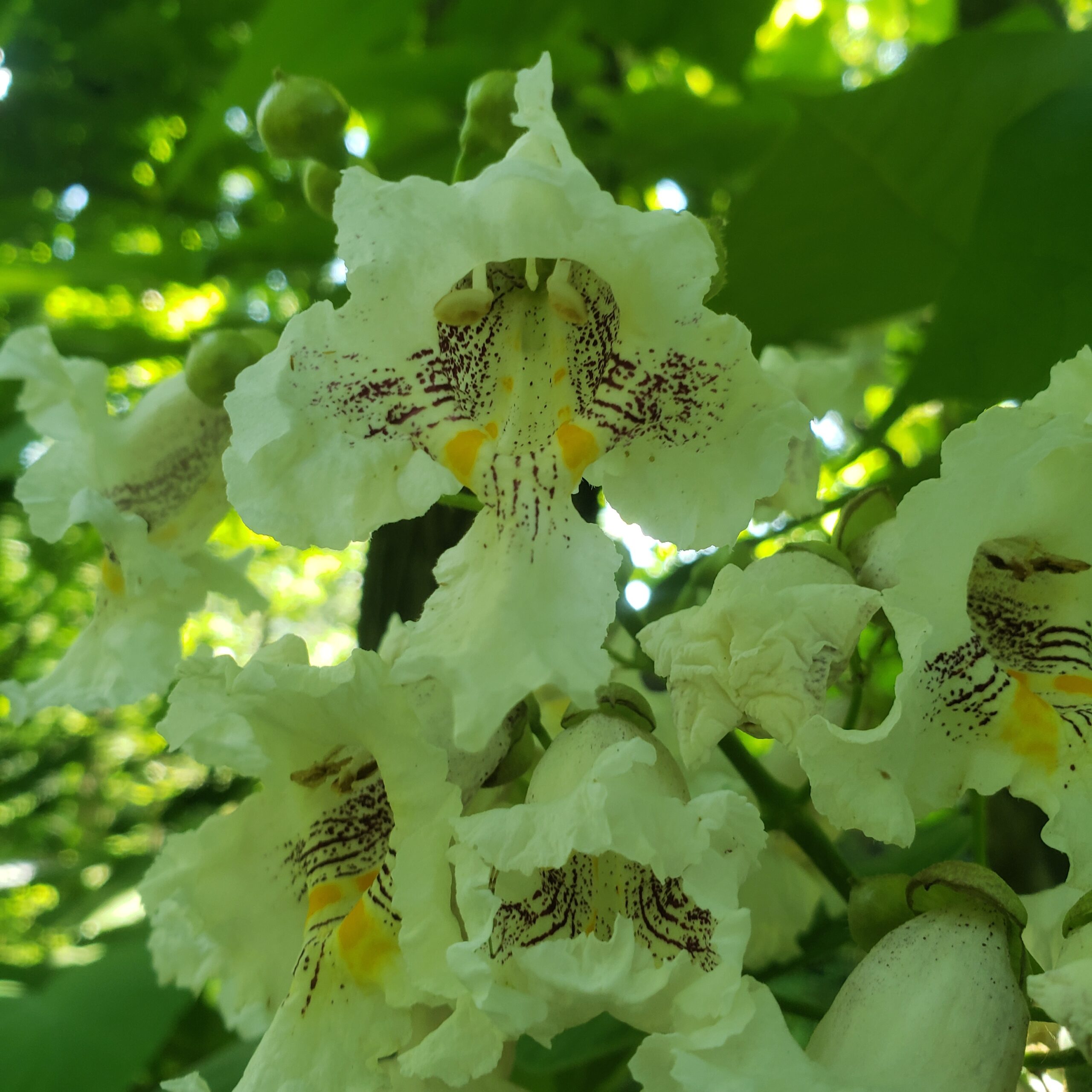
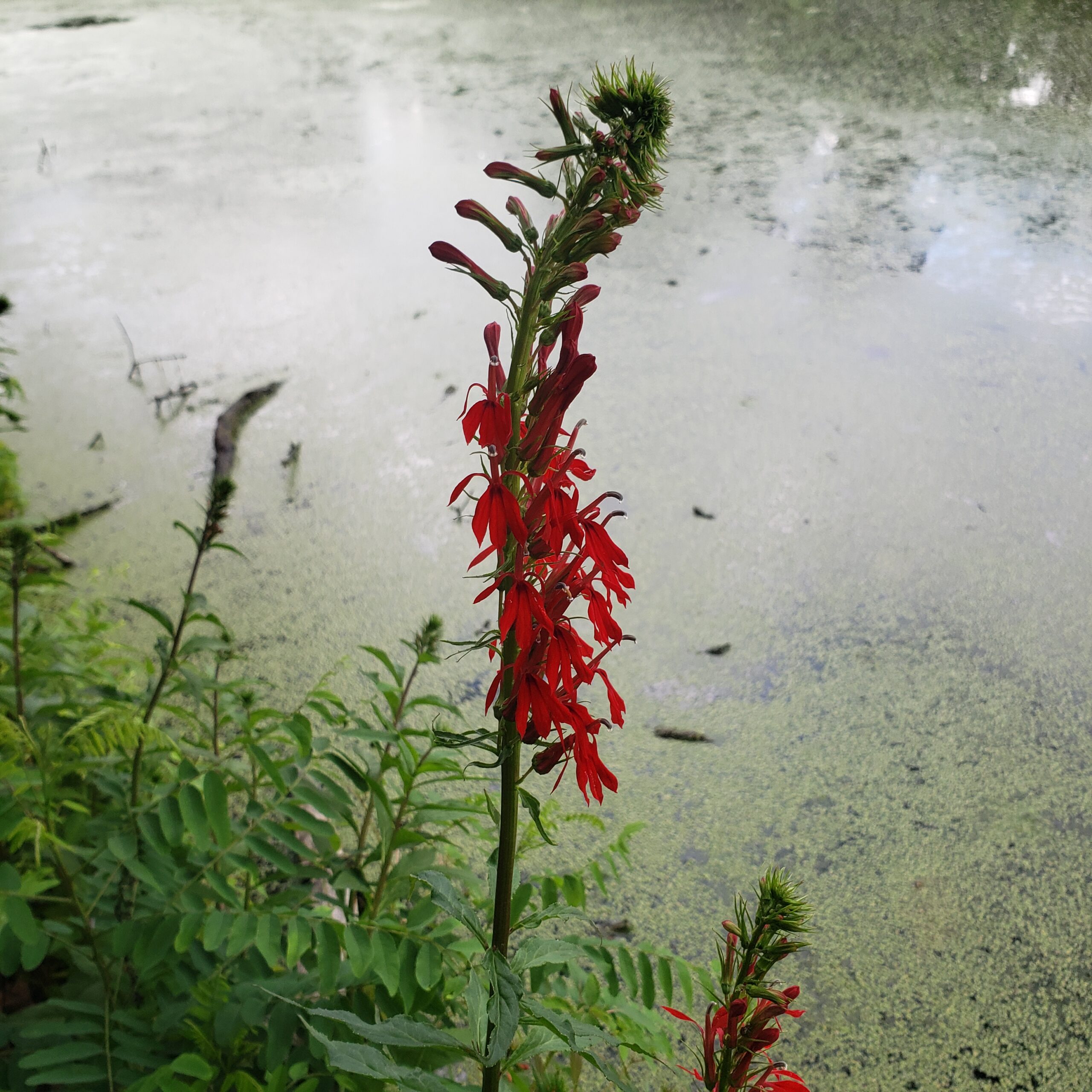
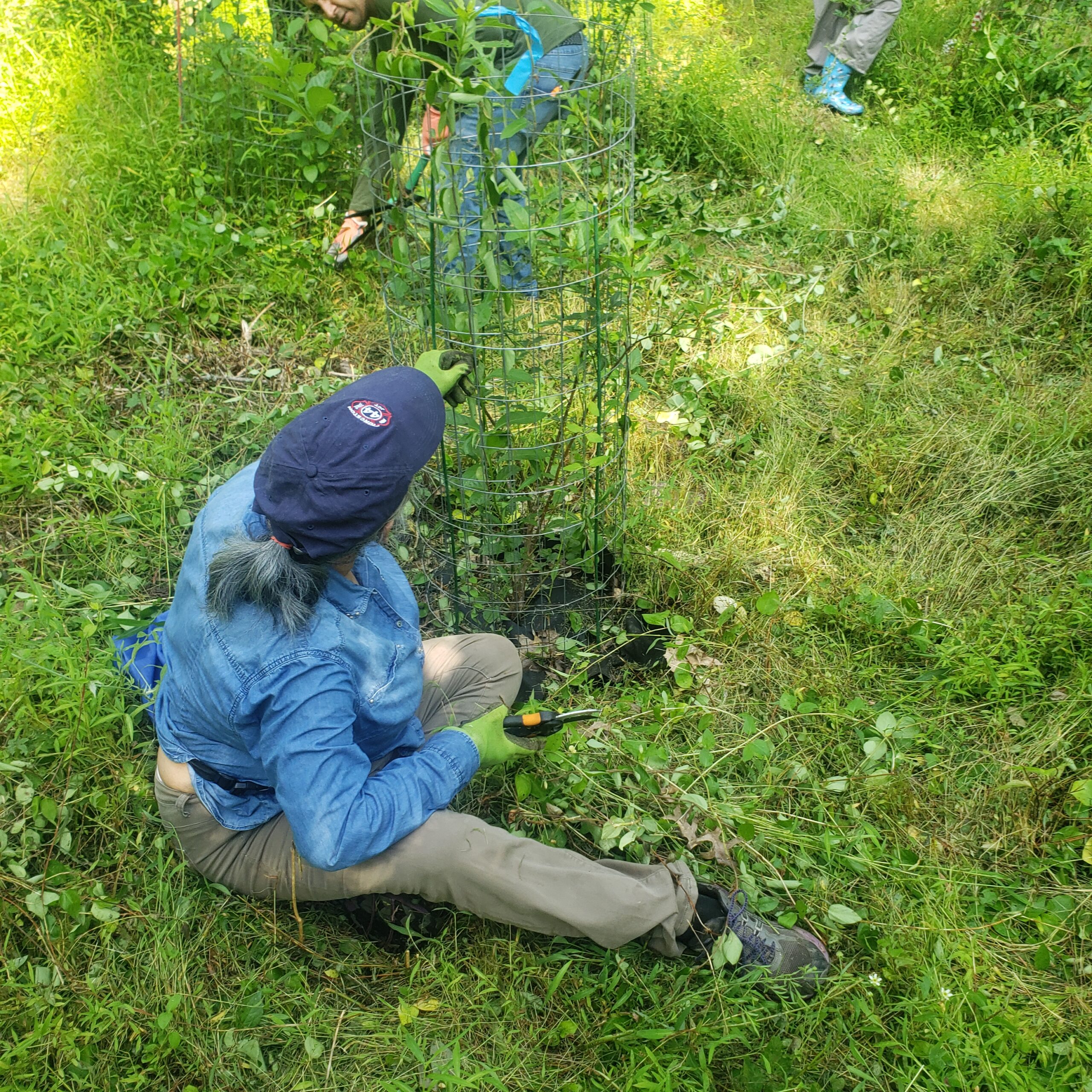
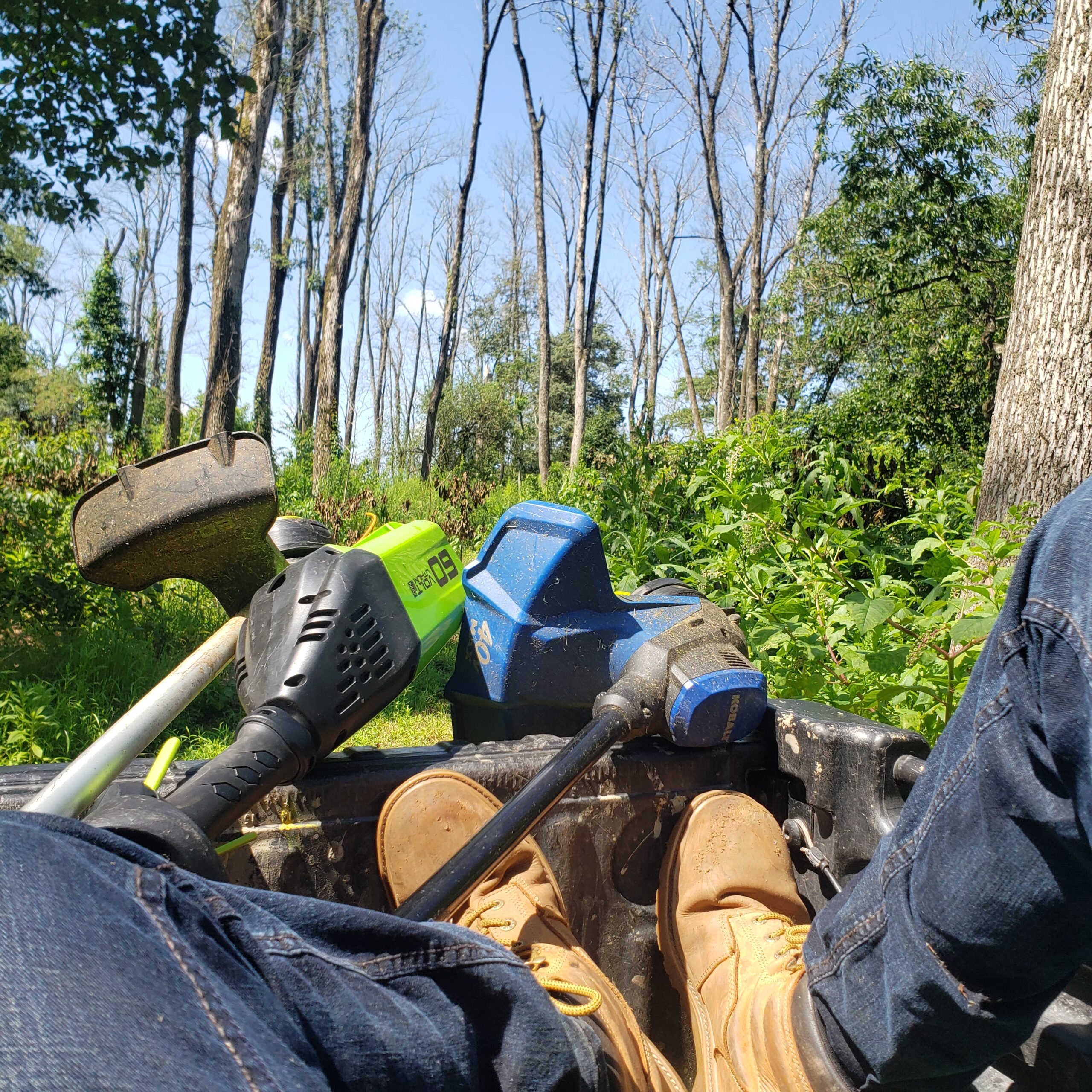
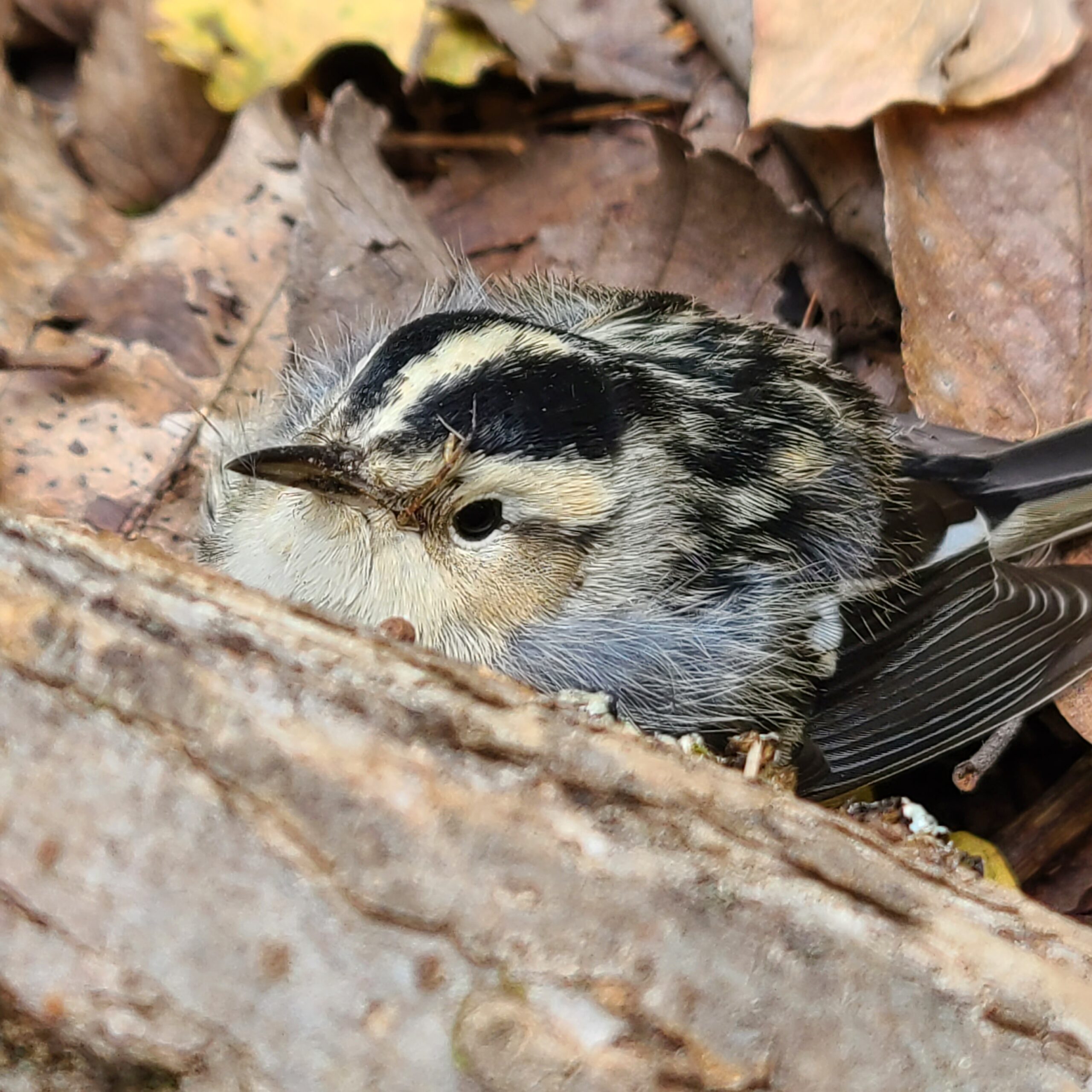
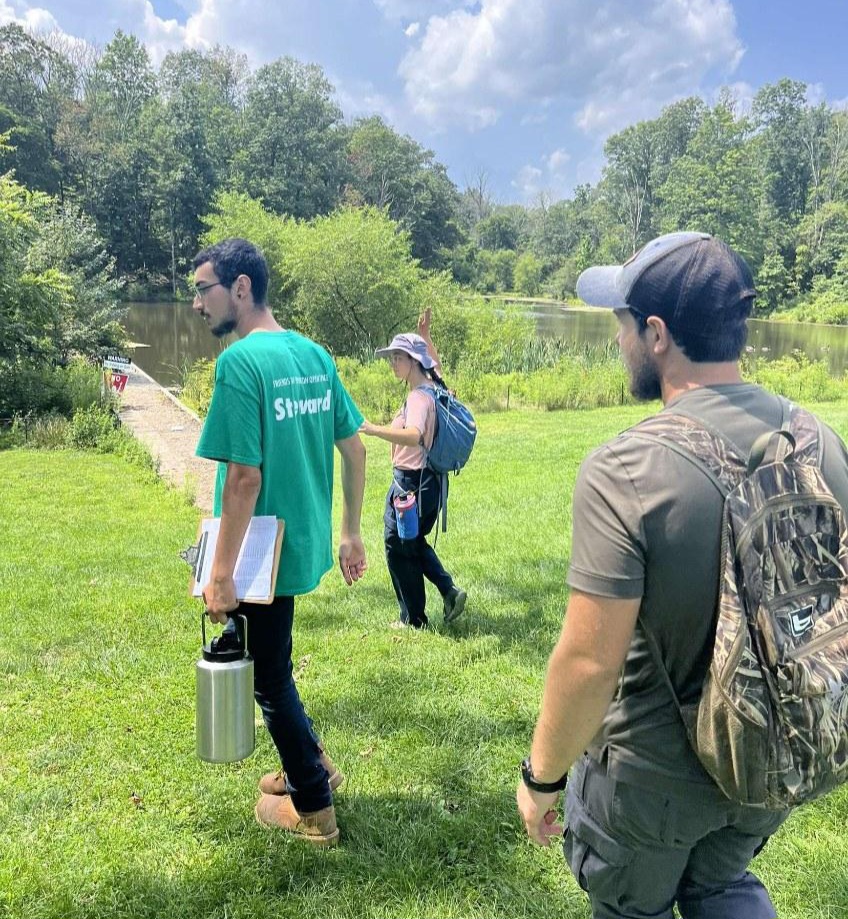
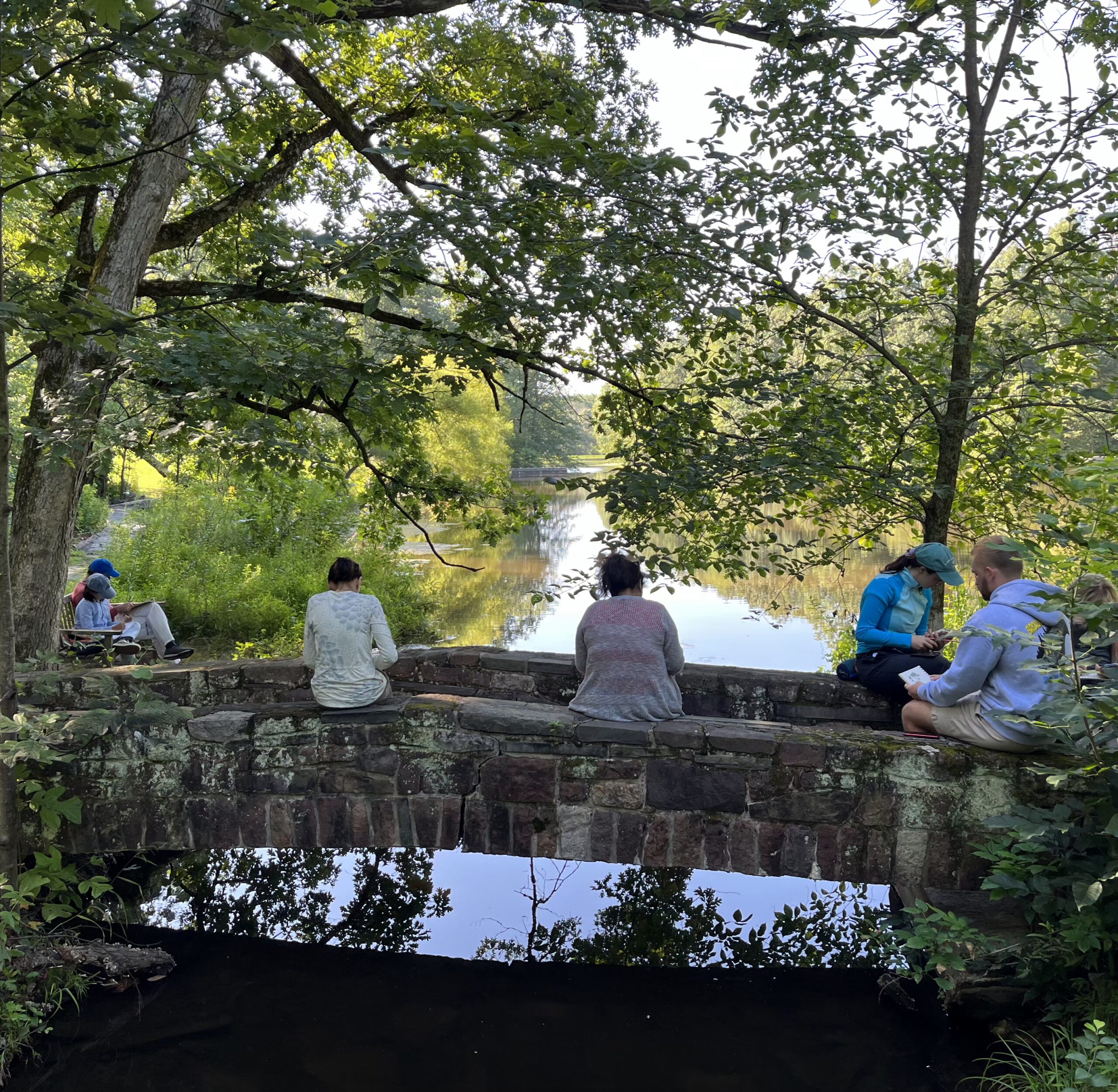
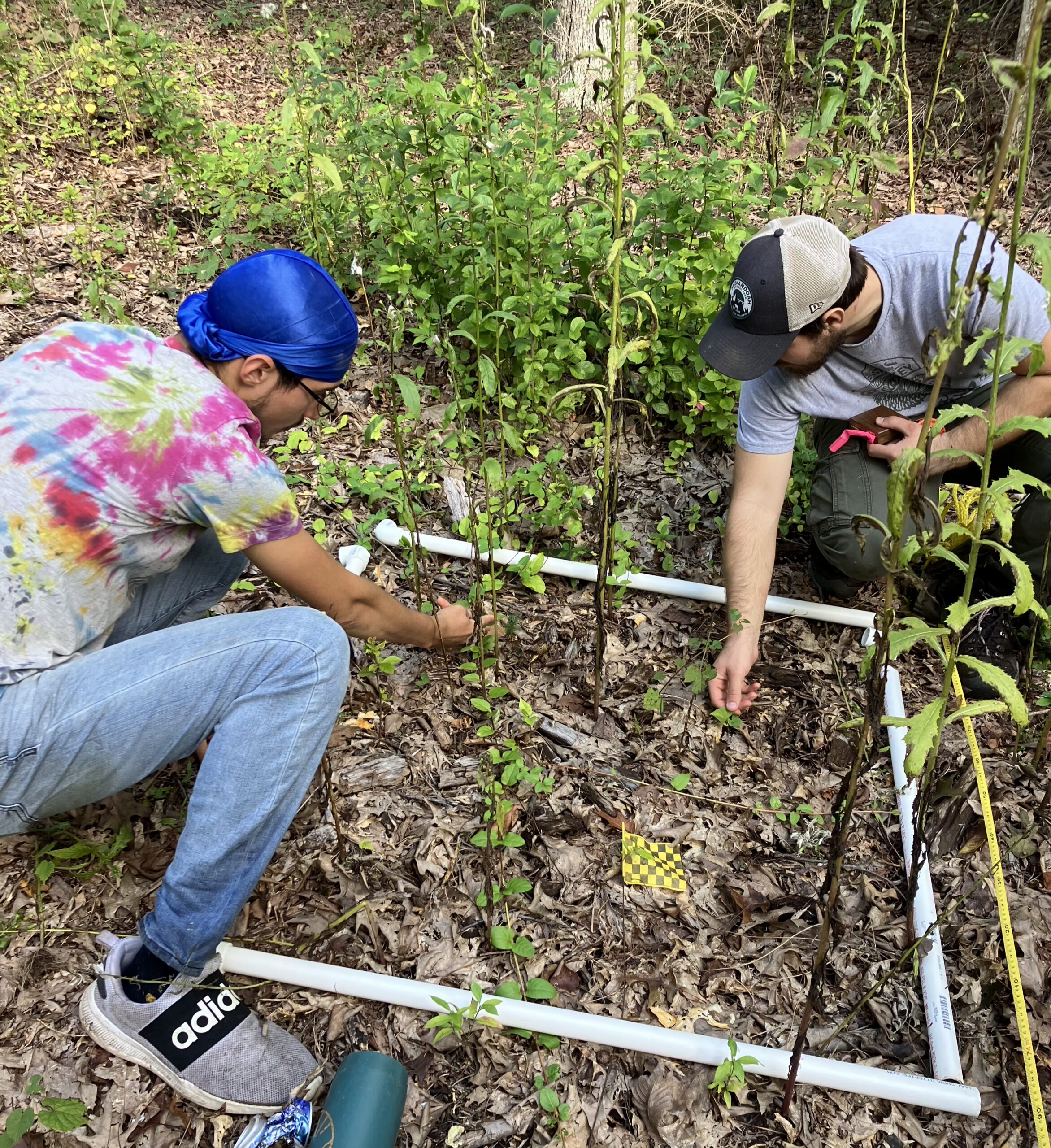
After graduating I worked for 6 months as a Land Steward Intern through the Friends of Princeton Open Space nonprofit that safeguards access to open space for the public. Most of my work pertained to advancing restoration efforts through the removal of invasive plants and the reintroduction of native plants. I also conducted botanical, bird, herpetofauna, and camera trap surveys. One of my favorite aspects of this job was the community involvement. Leading weekly volunteer sessions, creating content for their social media, and creating fun and educational community events allowed for us all to connect with each other and the land. Through this job, I really tuned into the phenology of the land and realized the empowering positive impacts that the efforts of a small group of people can have on the landscape.
Photography
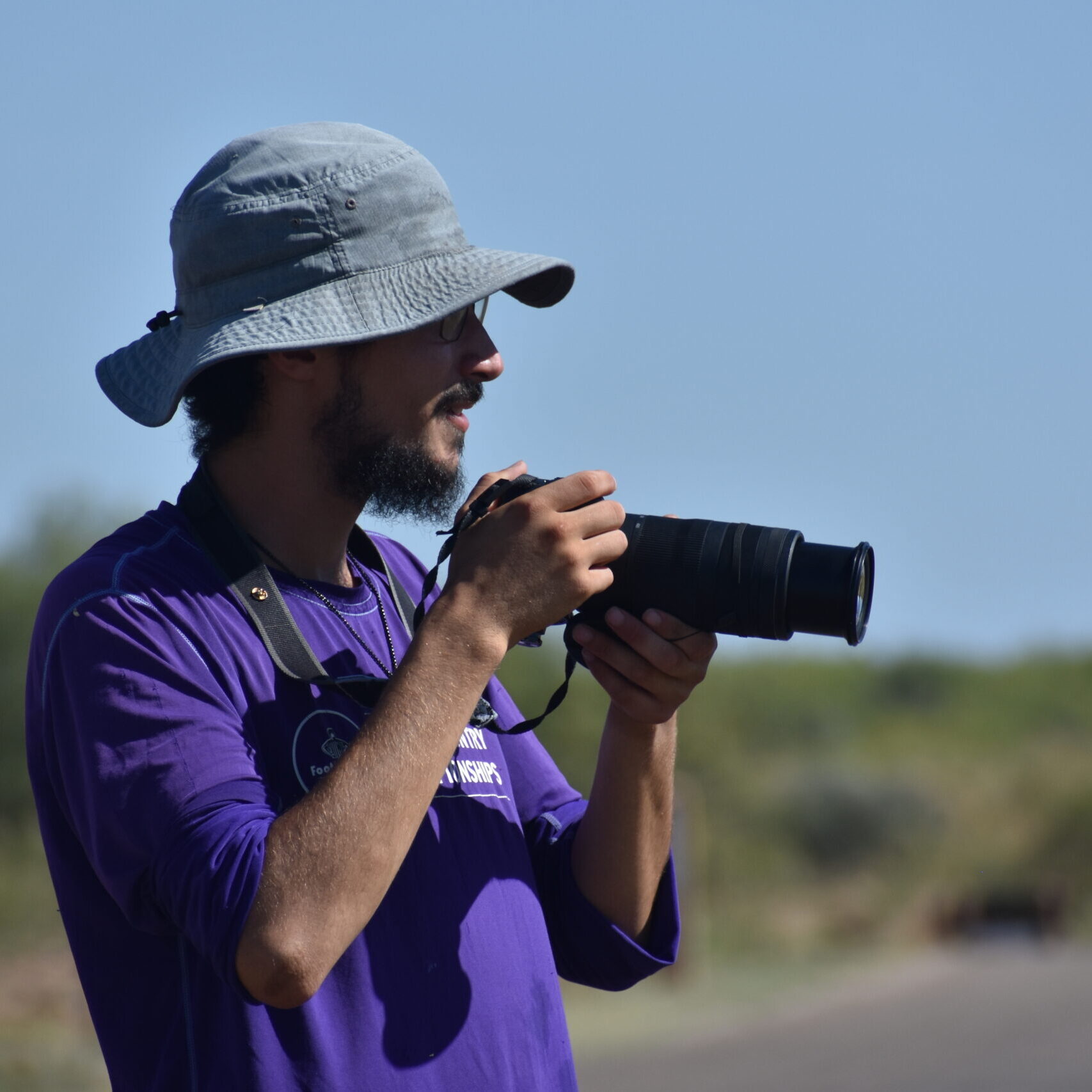
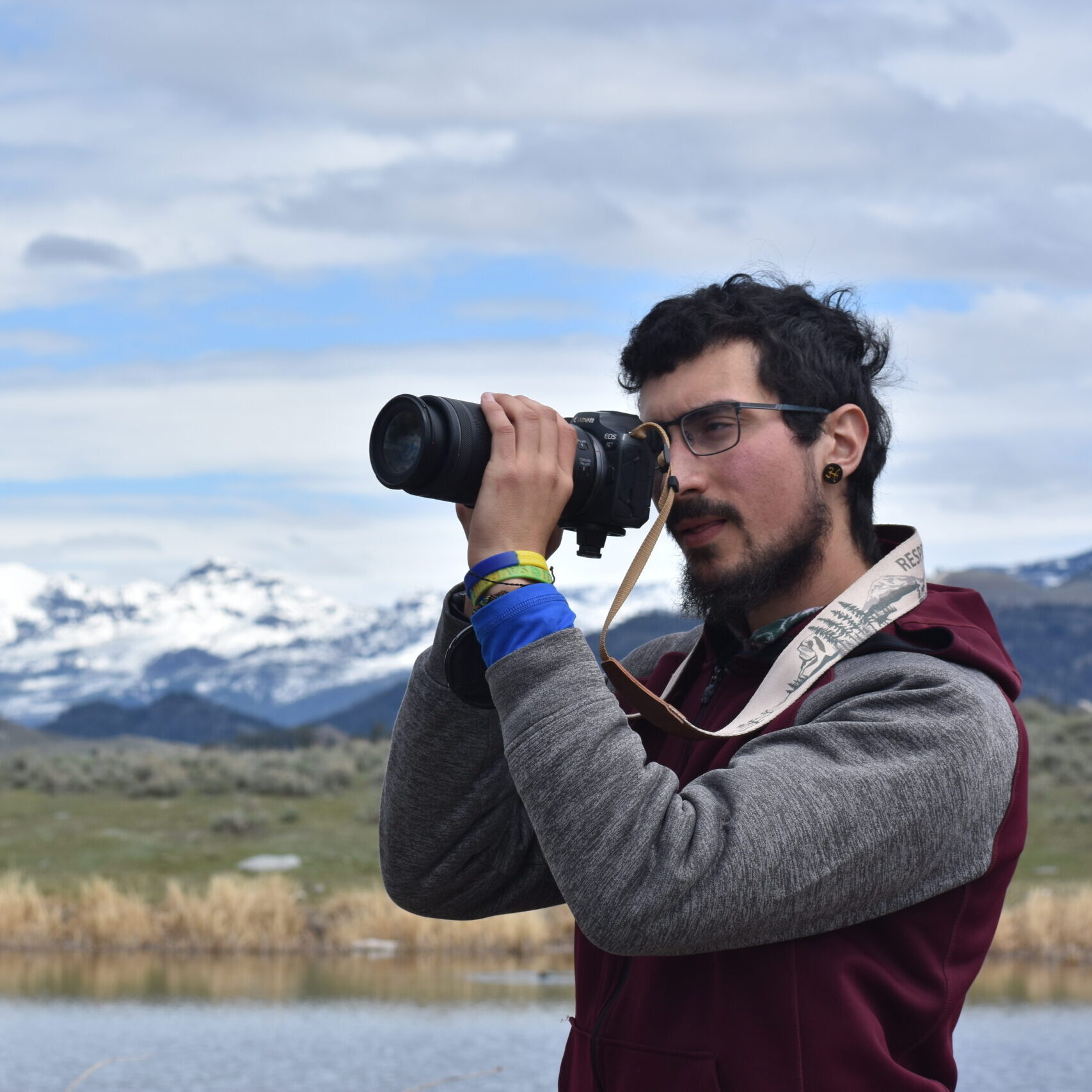
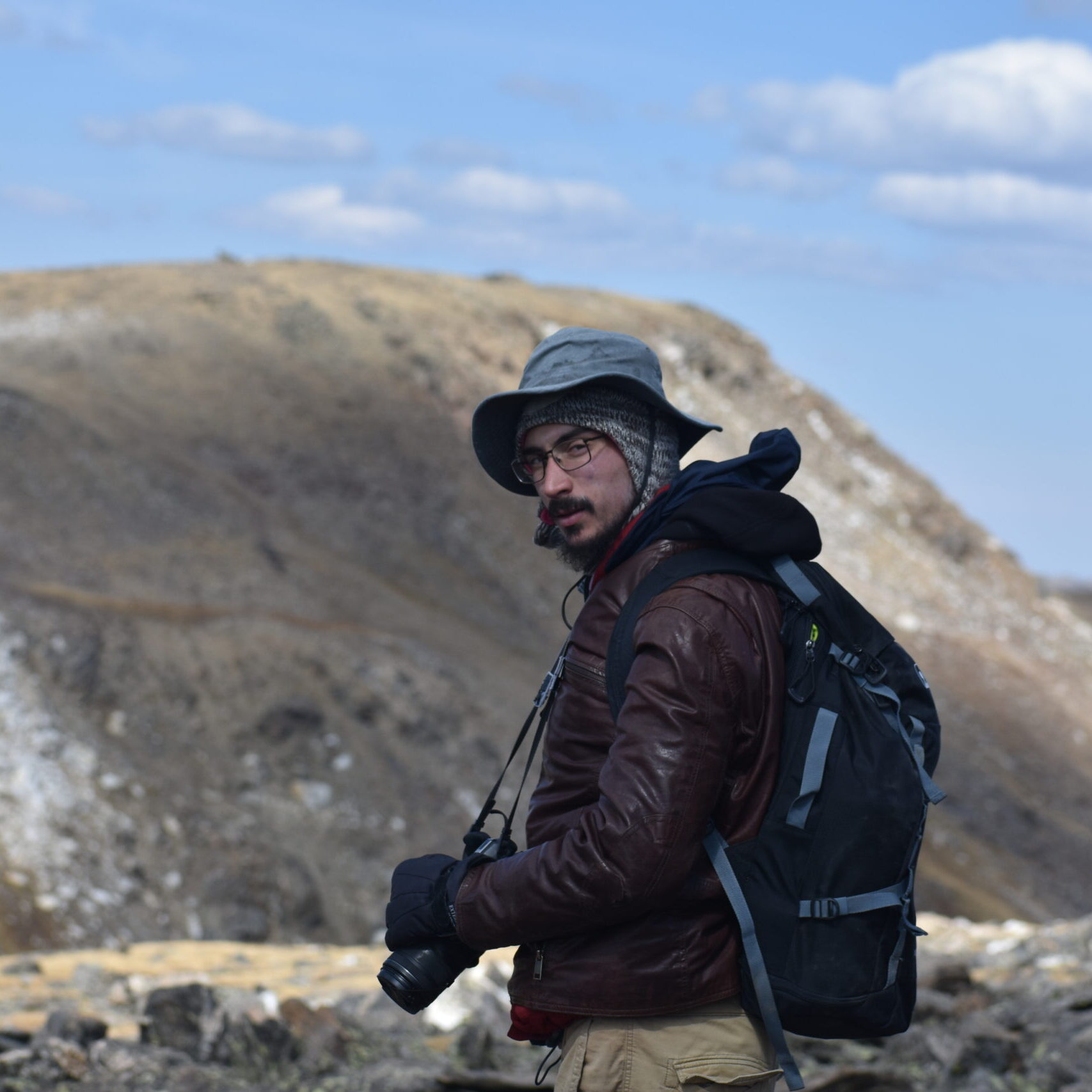
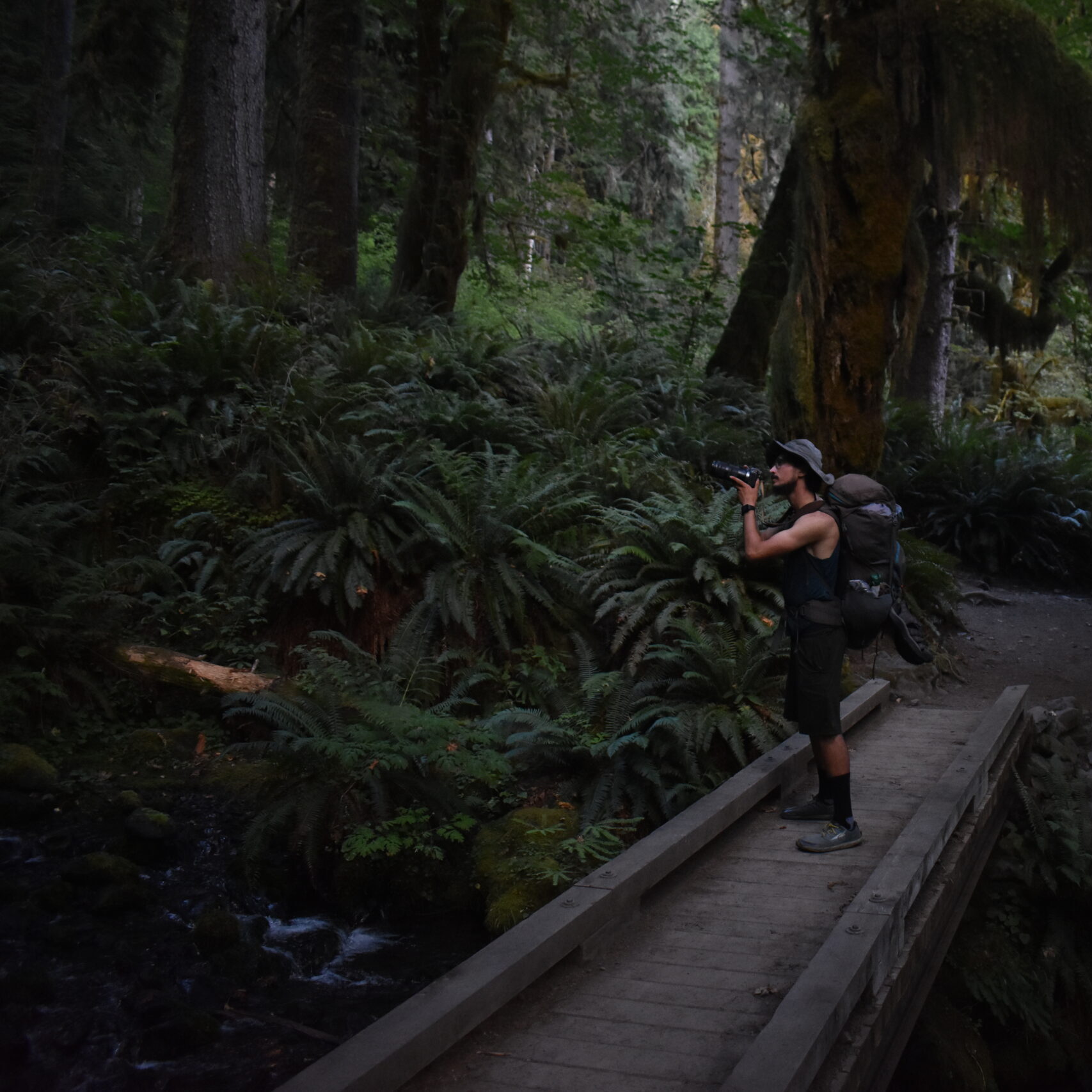
I have always enjoyed using photography to document the nature around me, however after spending a lot of time in the field I wanted to be able to shoot high quality photos that I could share with others. After buying my first camera body and telephoto lens in the winter of 2023 I went on a trip with my family to Costa Rica where I was pretty much taking photos non-stop and I never really let up. Taking my camera along with me opportunistically during field work has allowed me to capture so many amazing moments that I will share with you through my educational instagram @ECOFREAKESTI as well as my Posts and Gallery pages. If you are curious about my photography set up, check out my Materials Page.
Frollicking After Florida Scrub-Jays
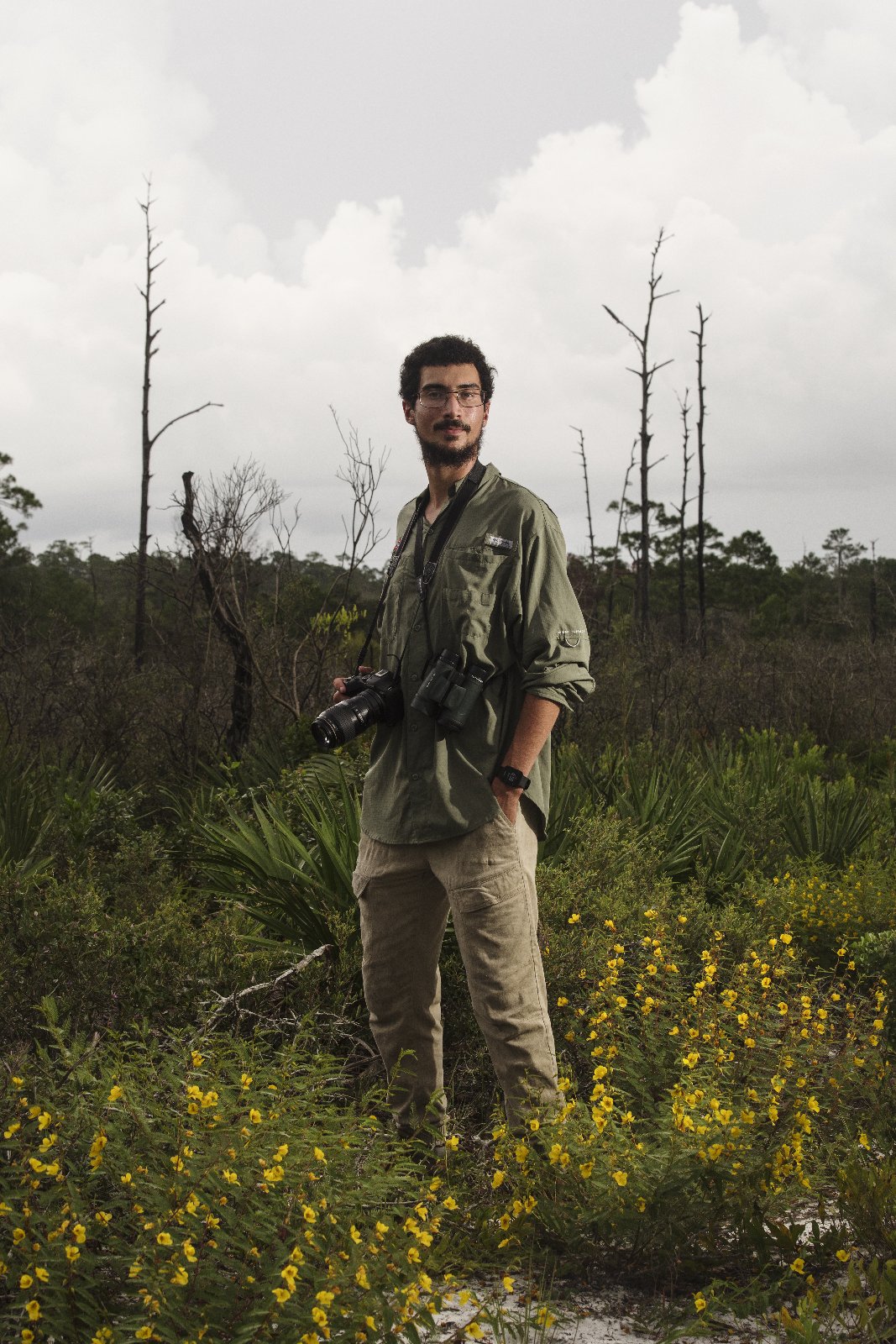
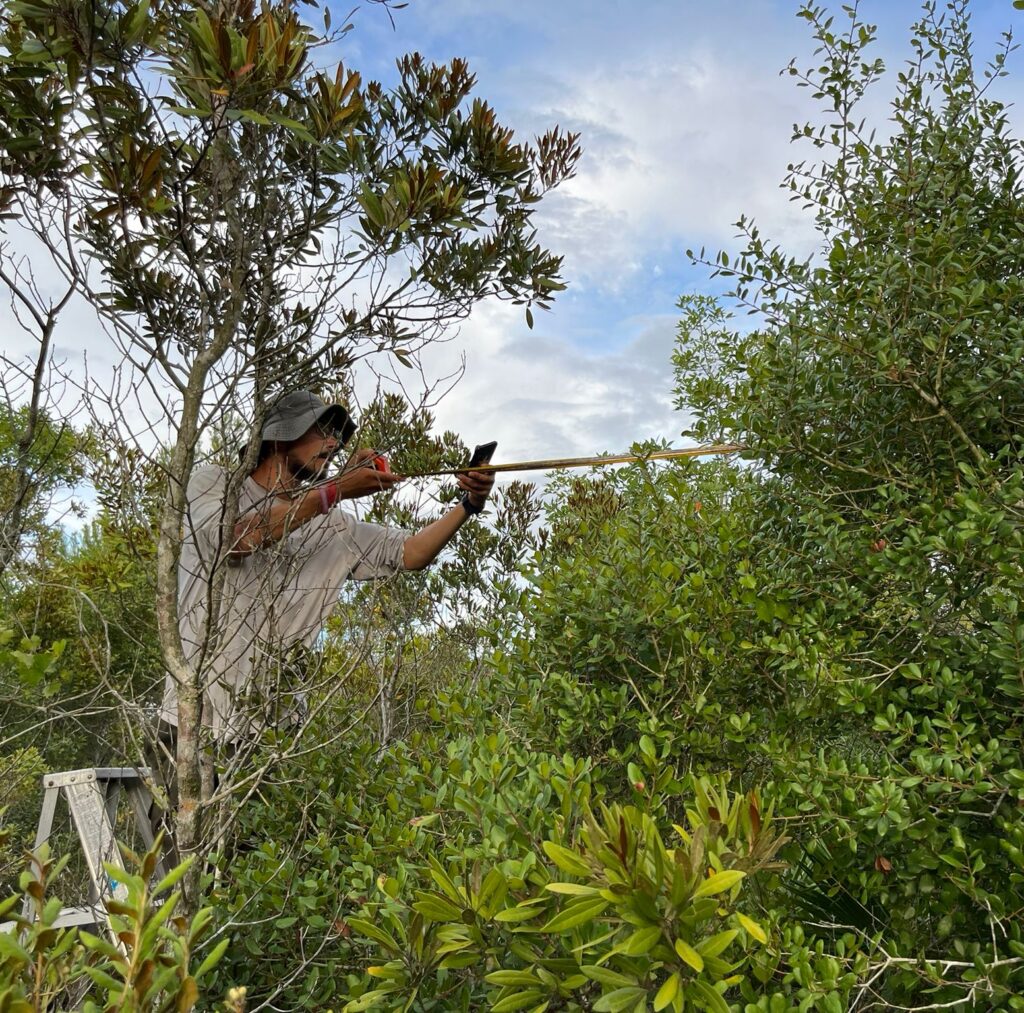
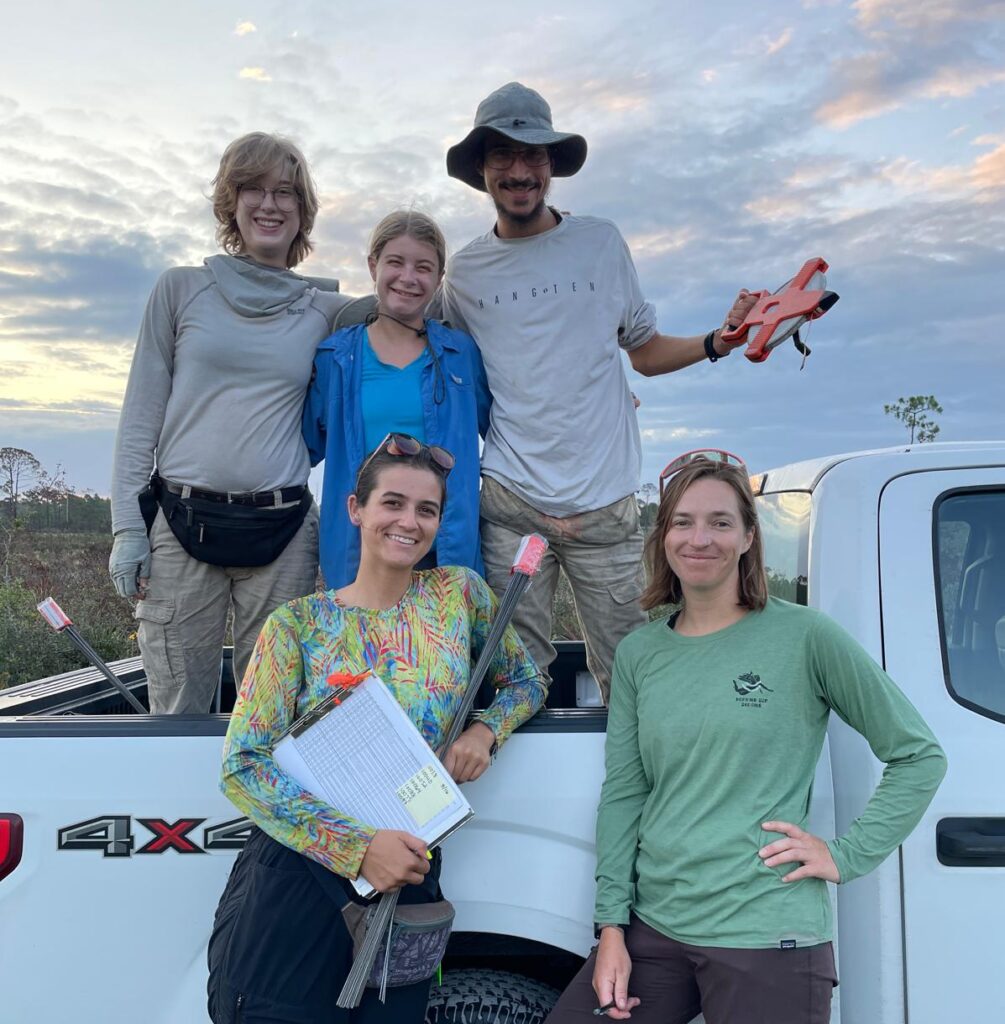
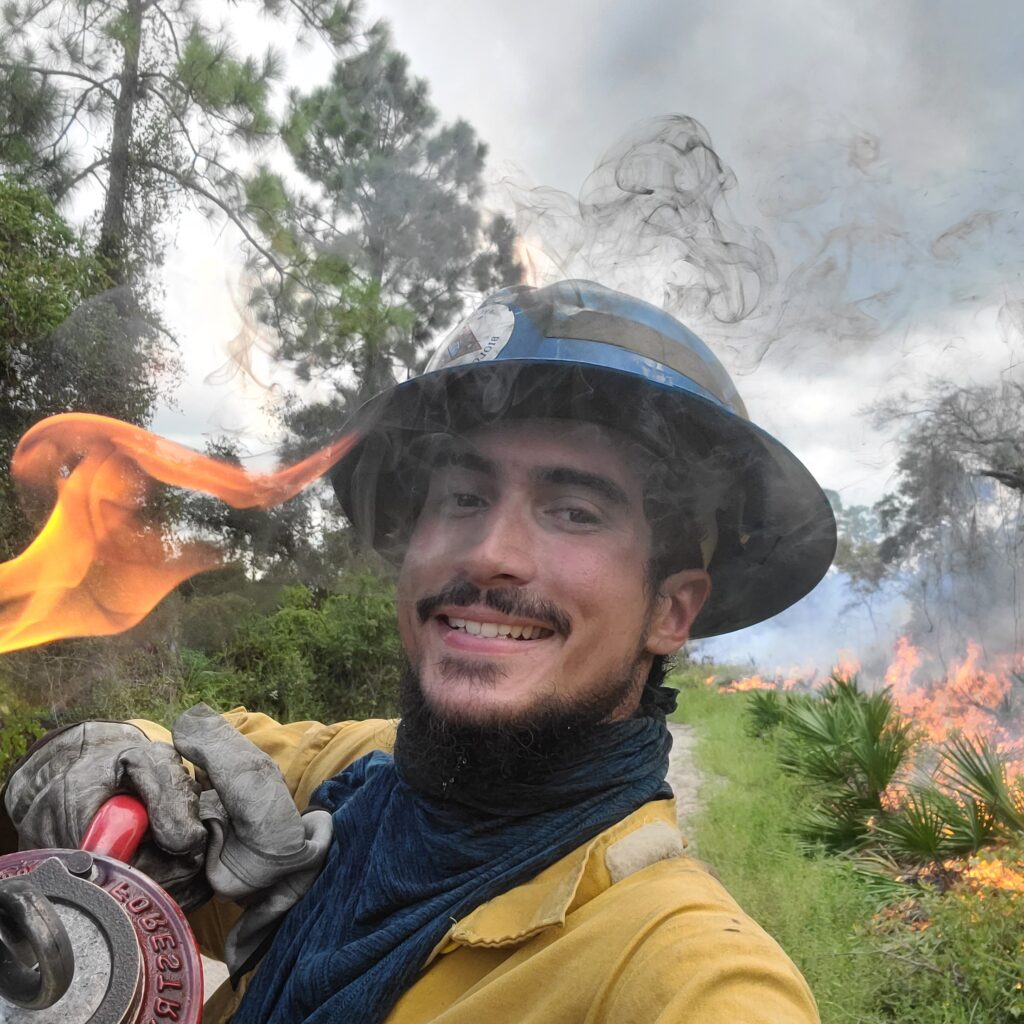
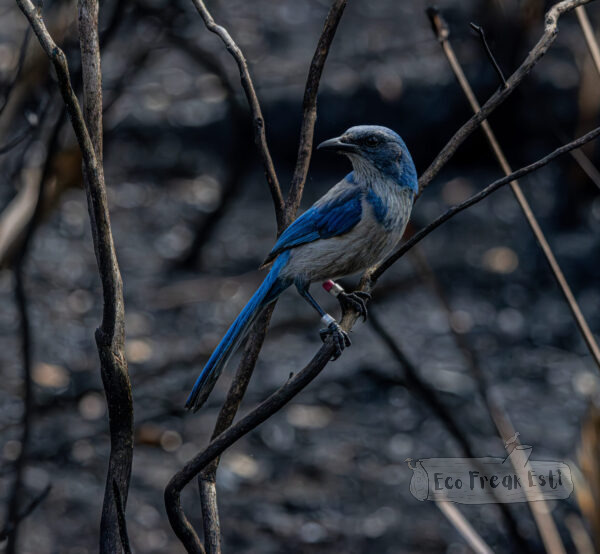
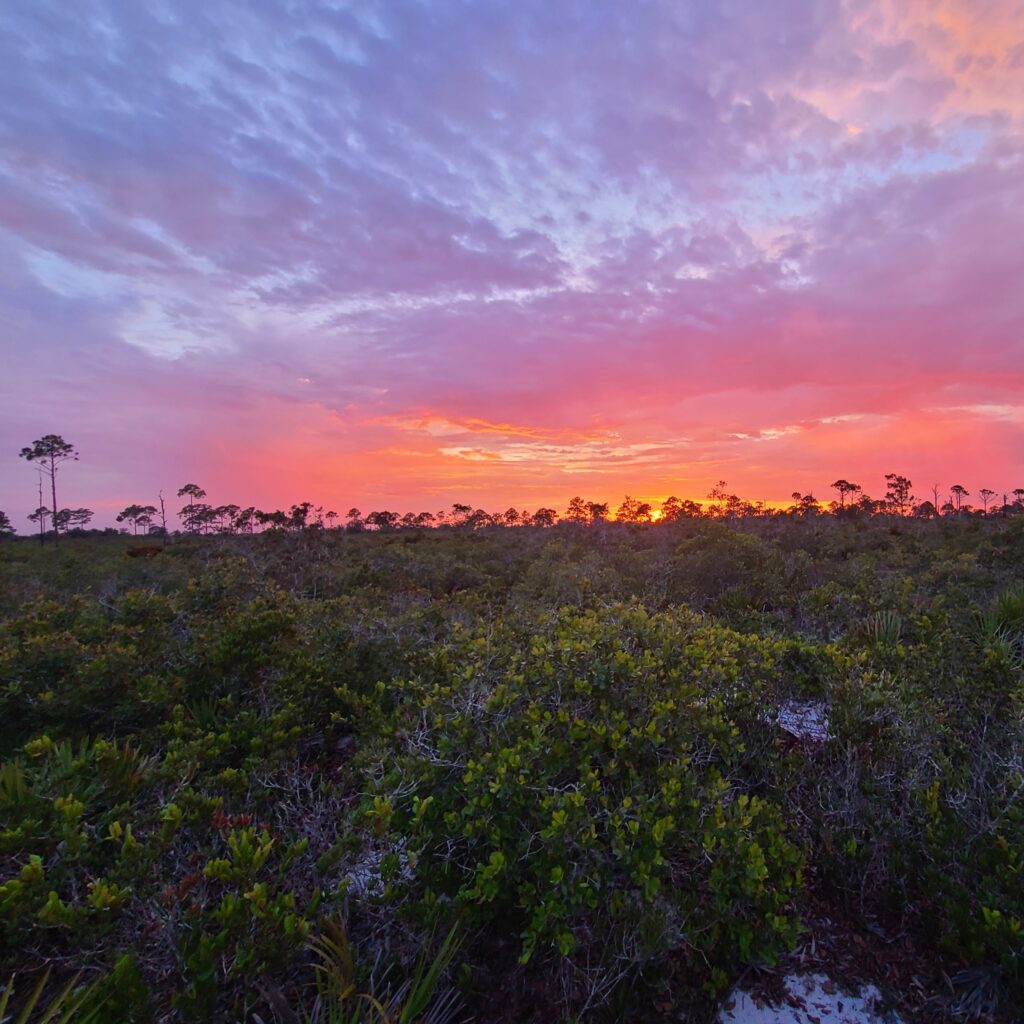
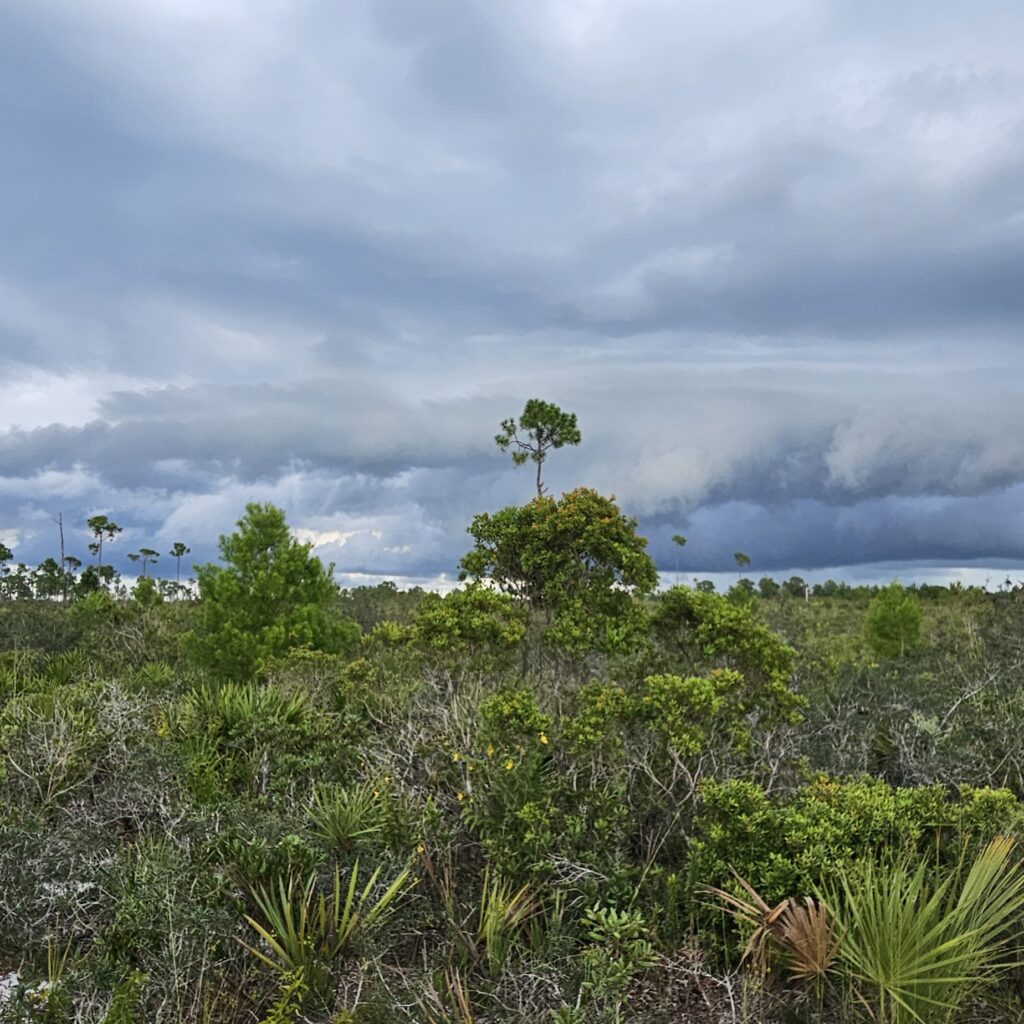
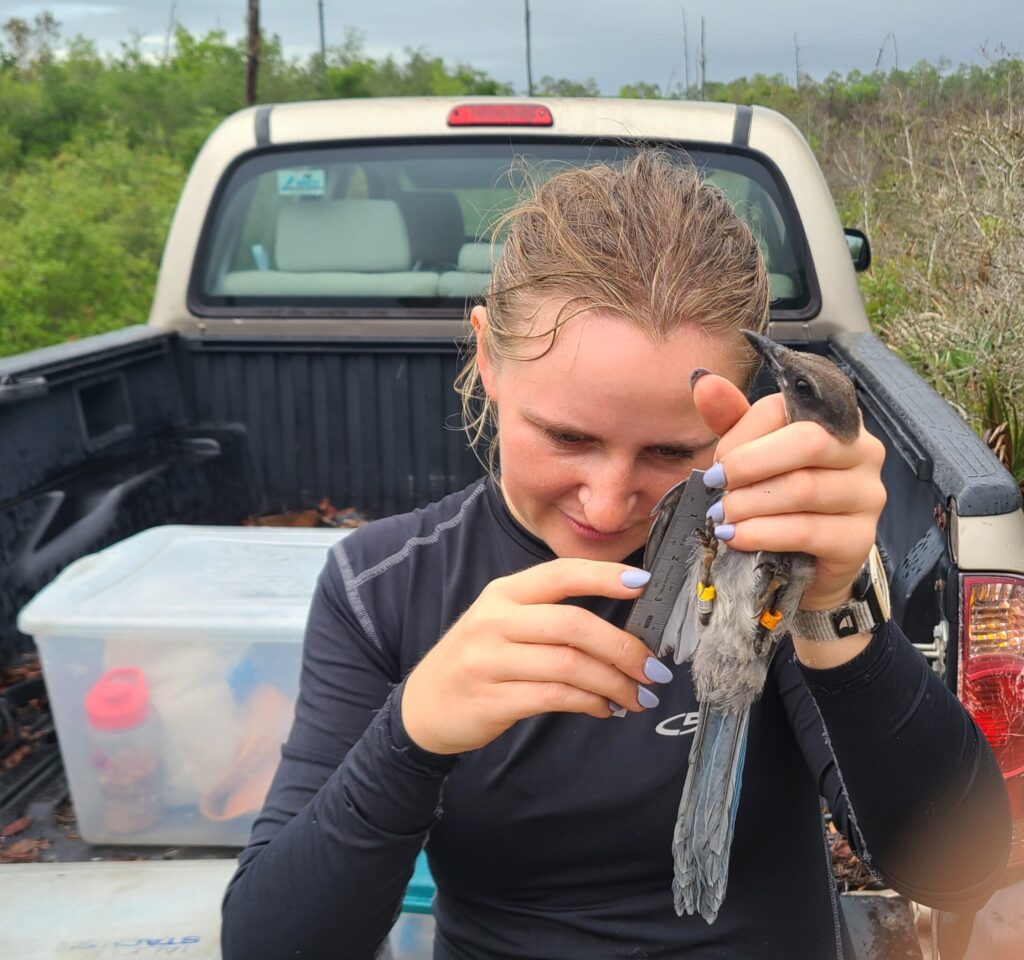
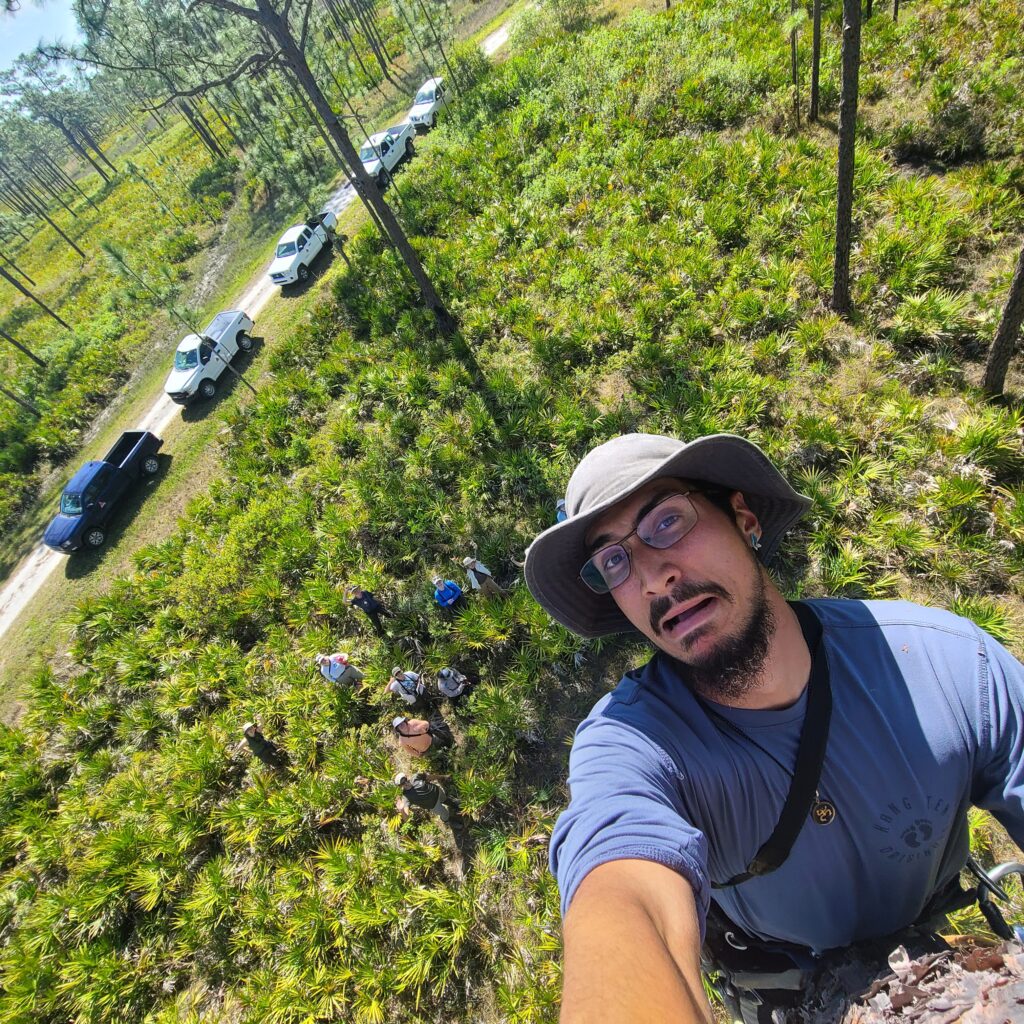
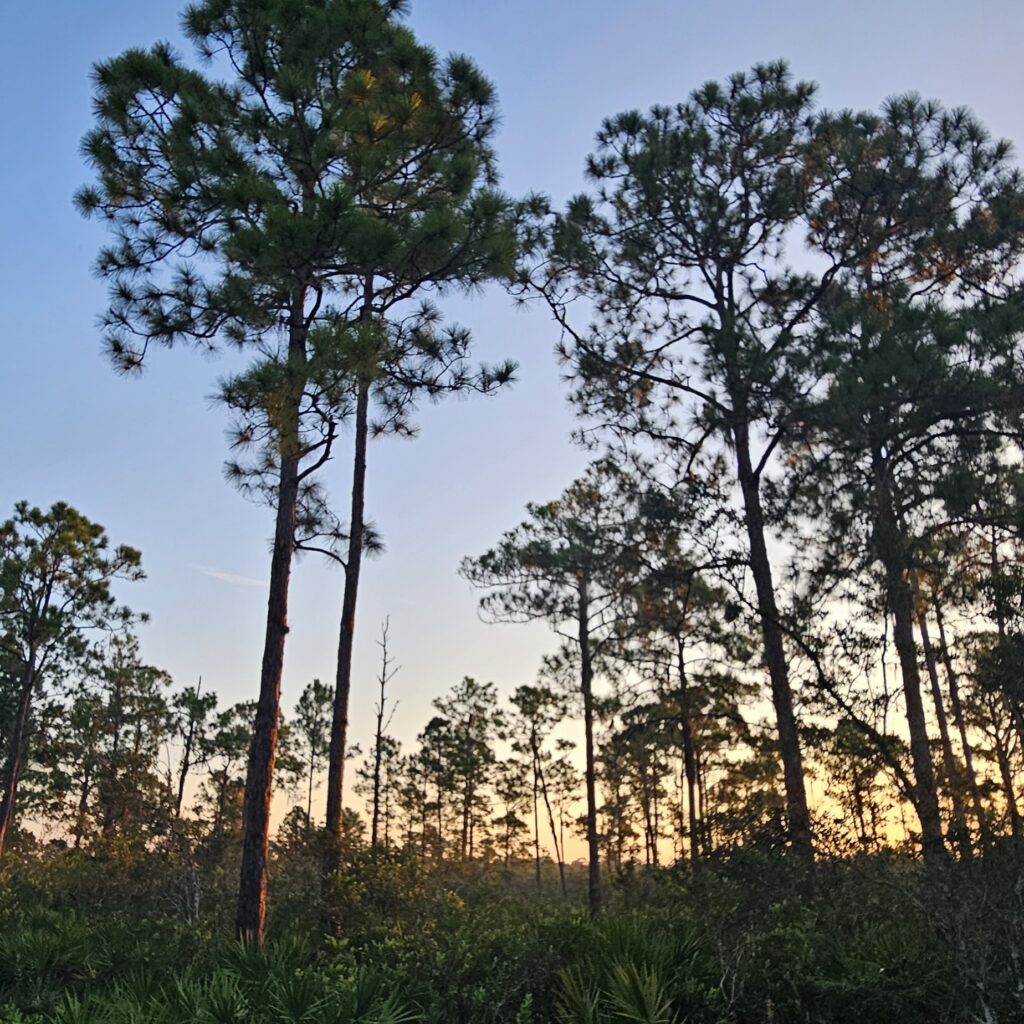
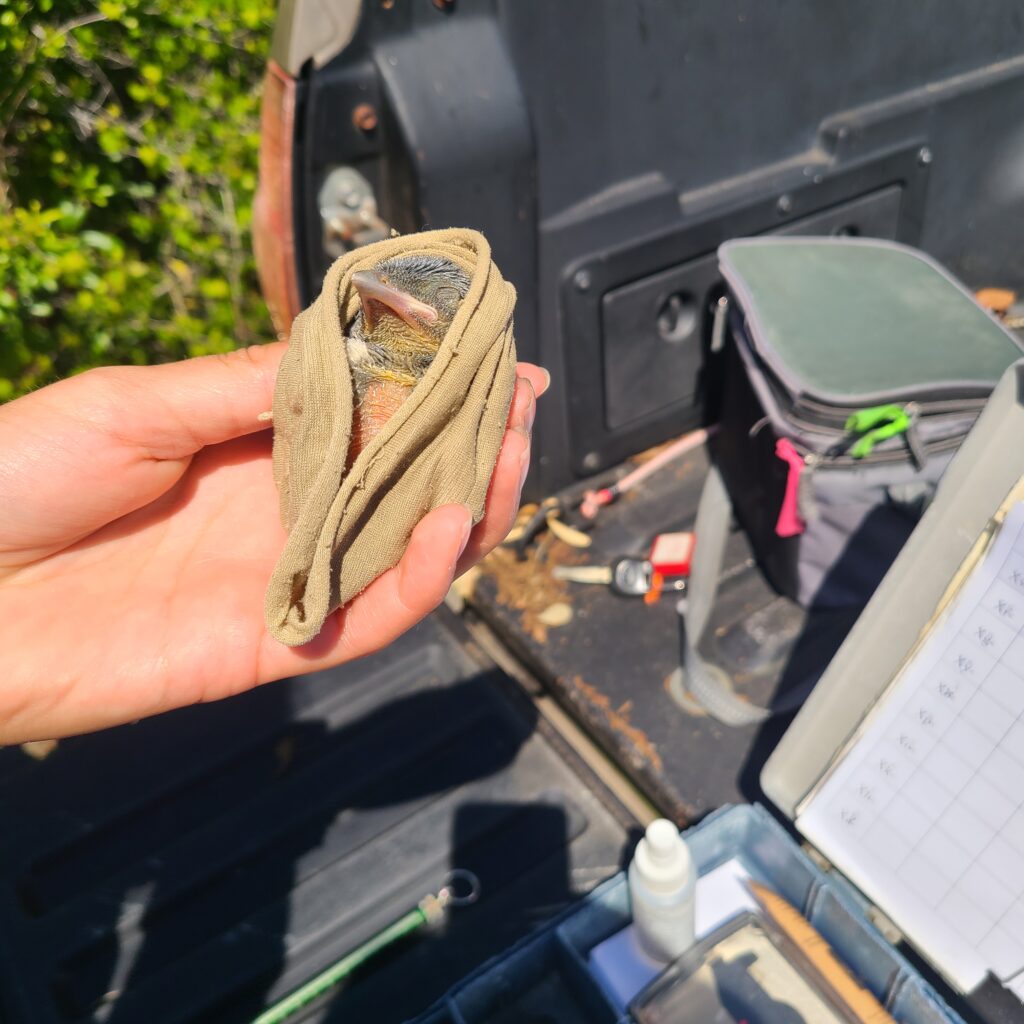
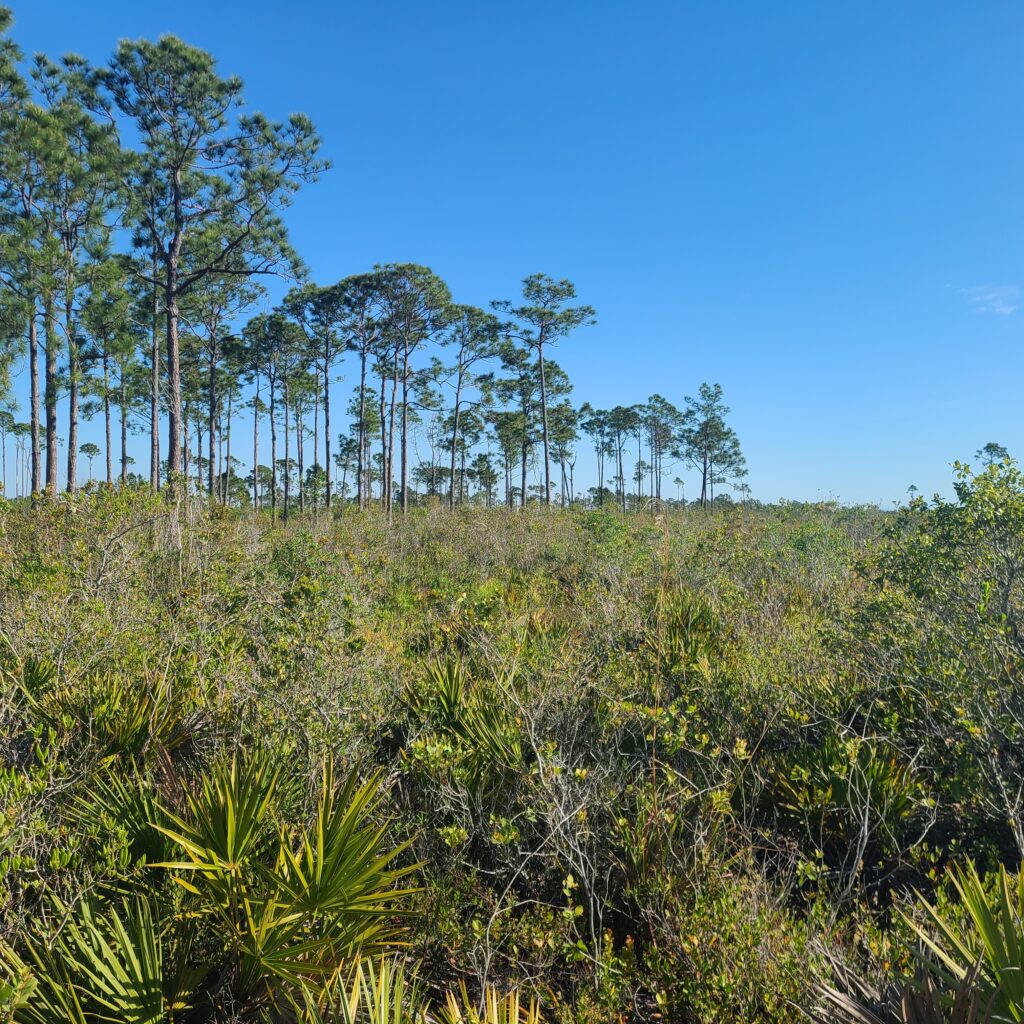
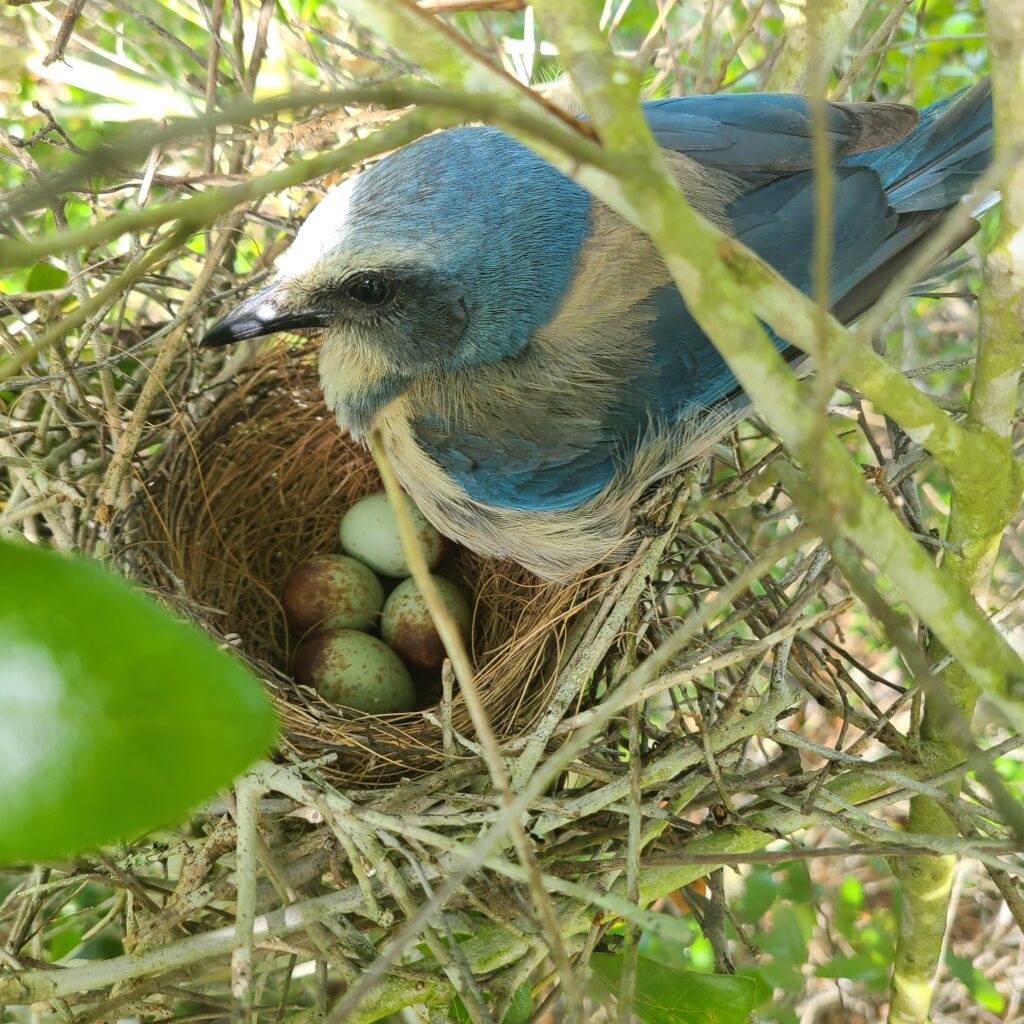
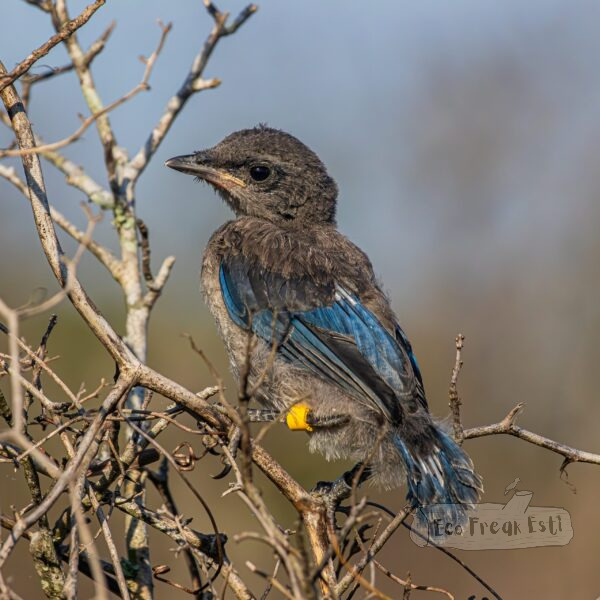
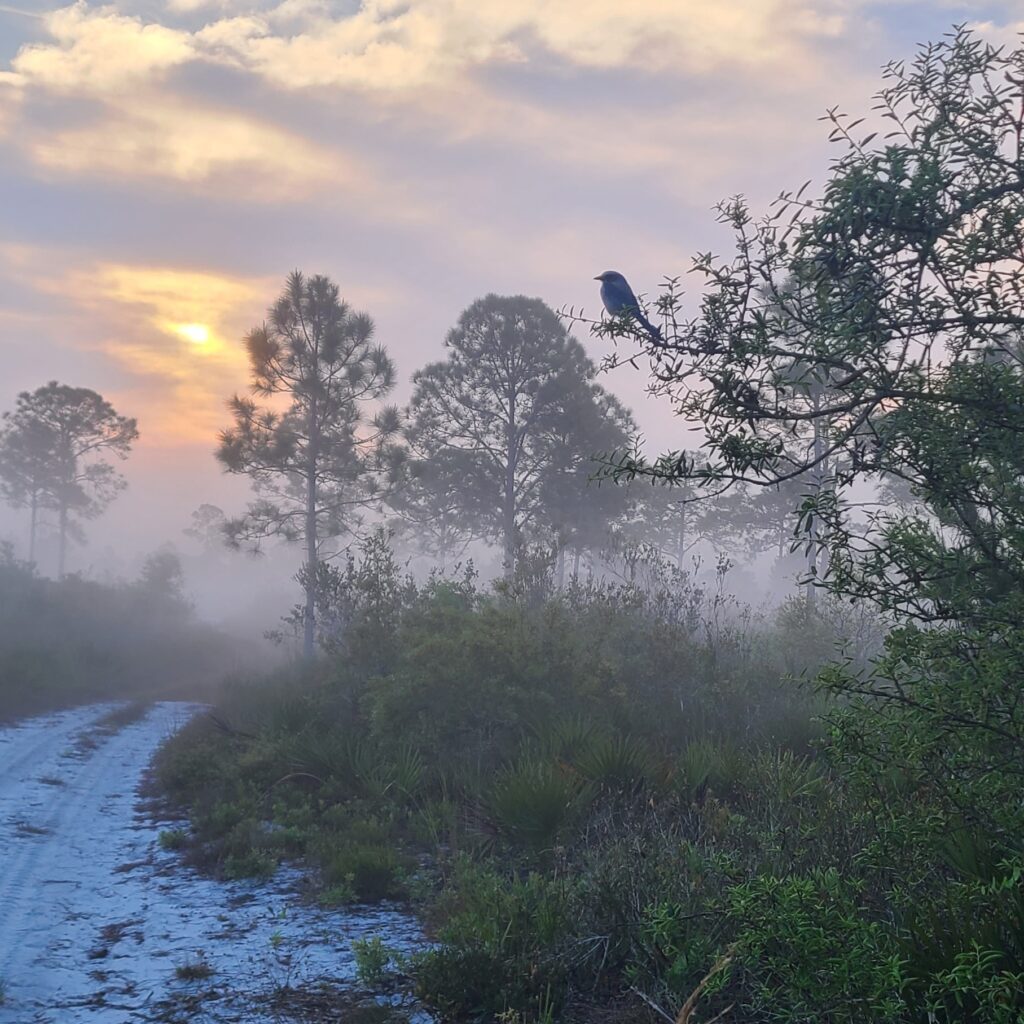
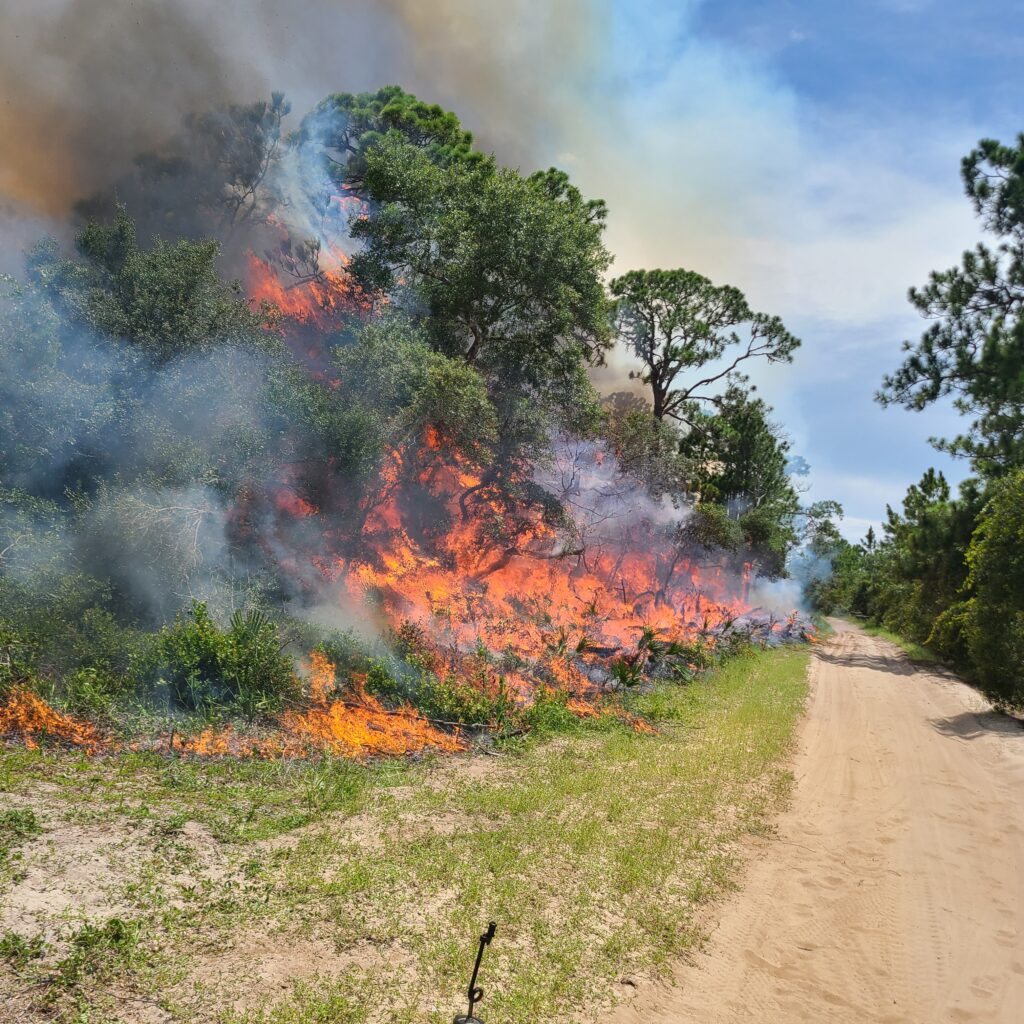
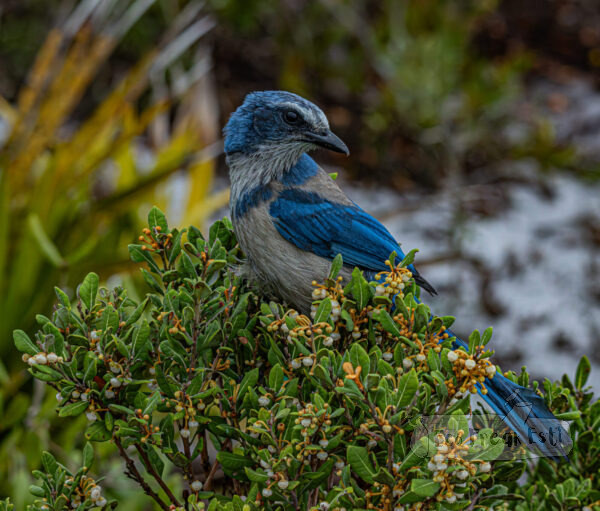
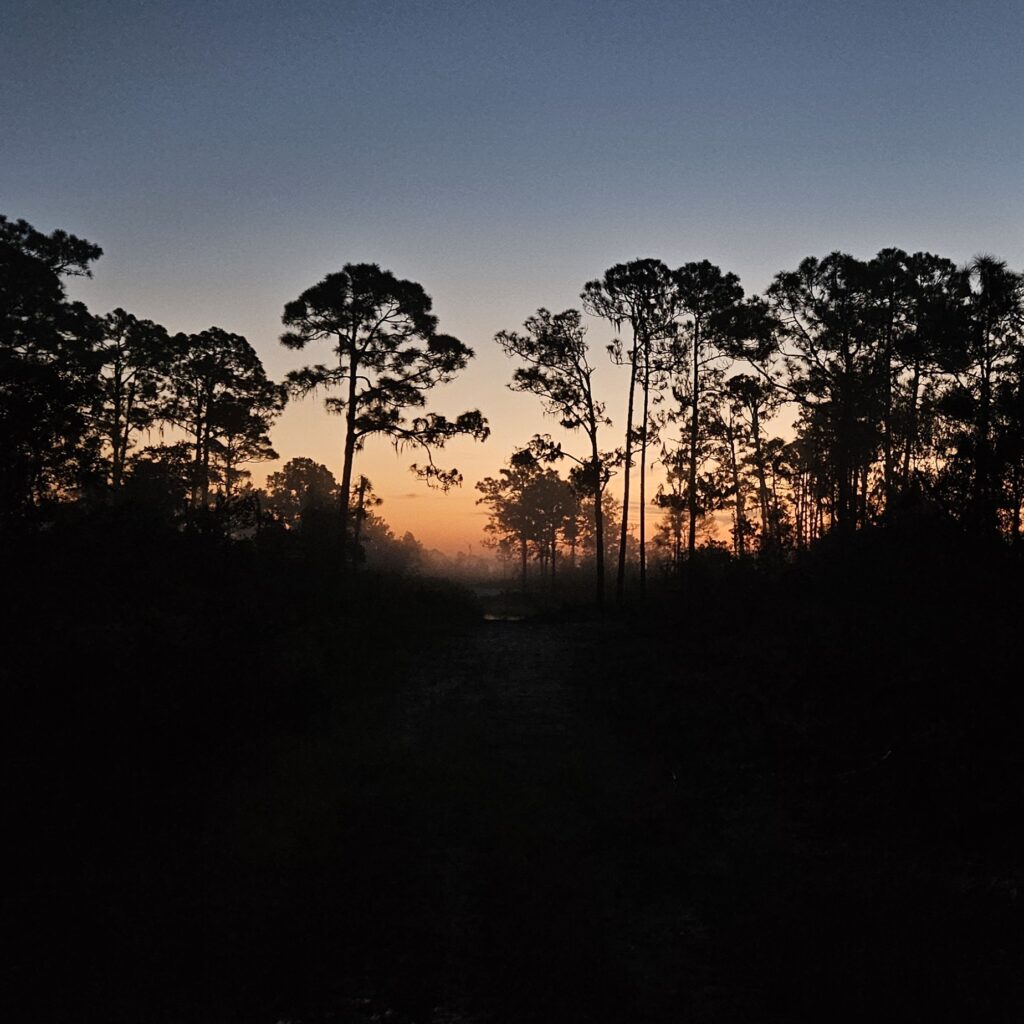
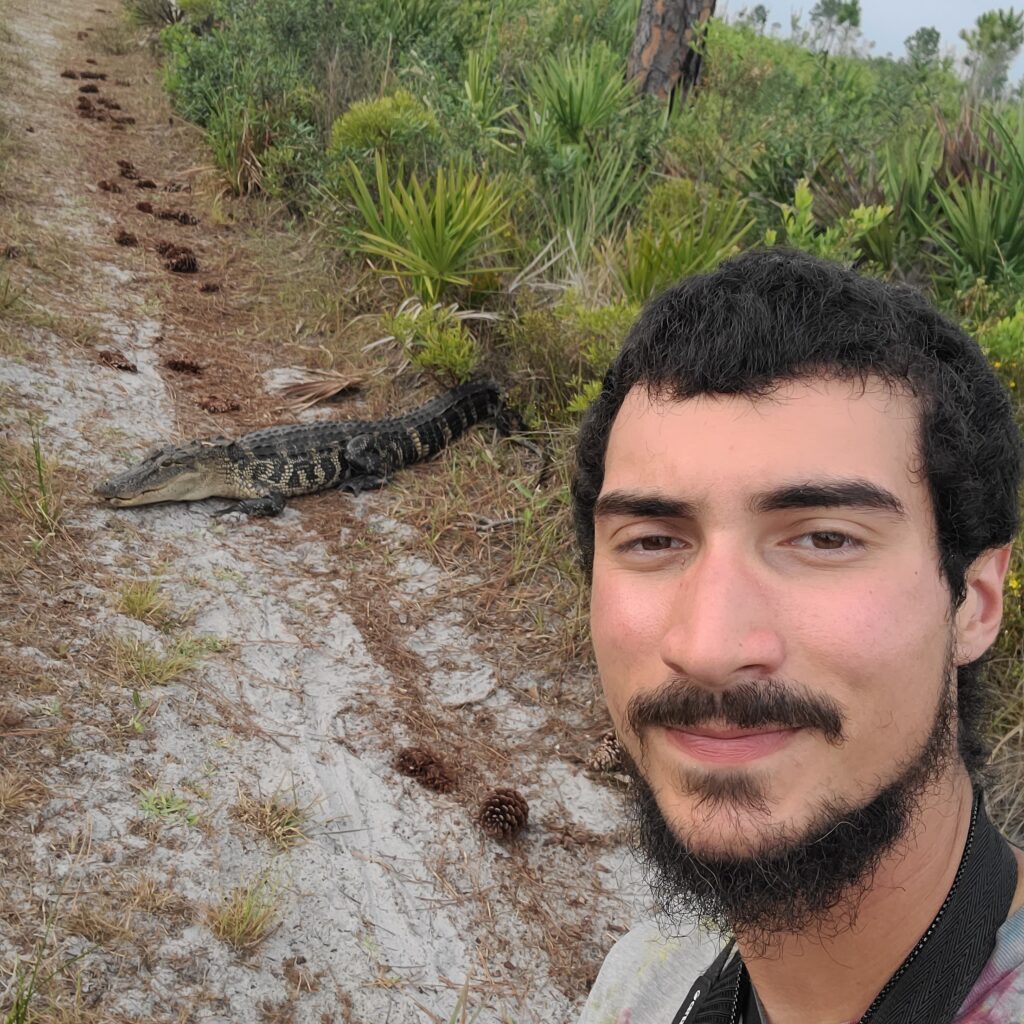
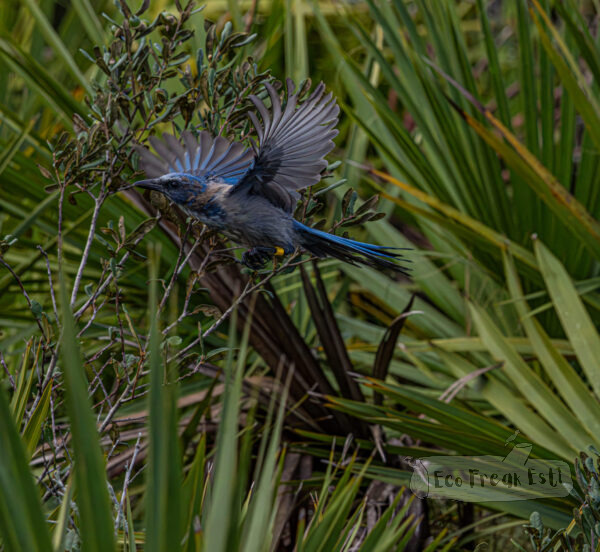
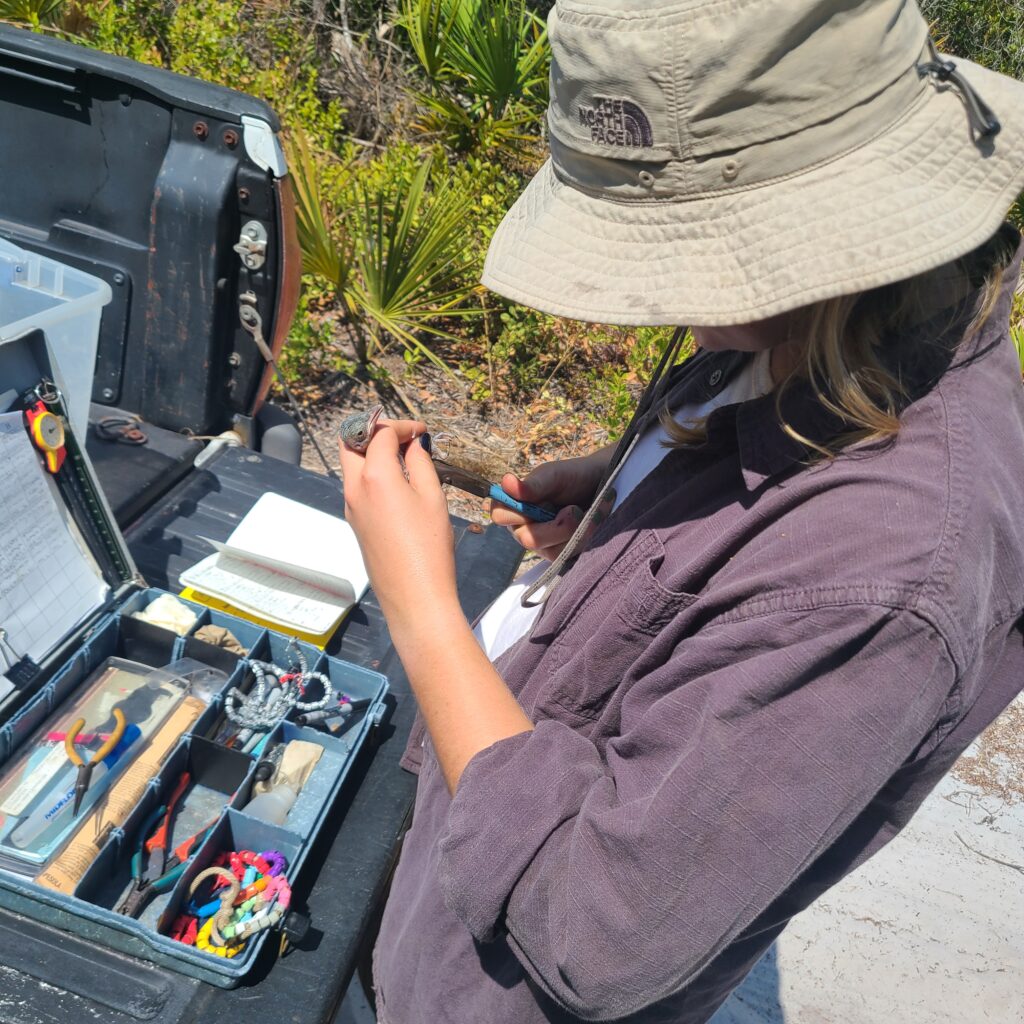
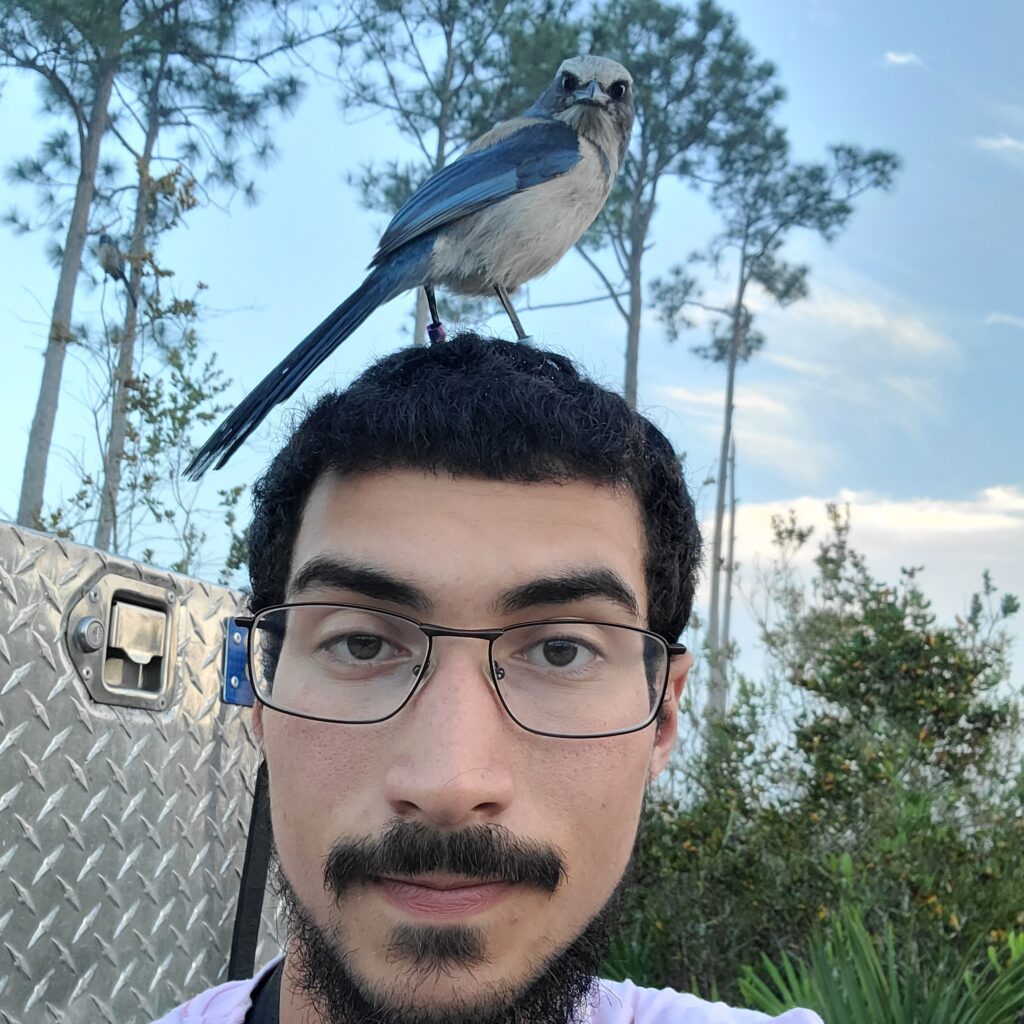
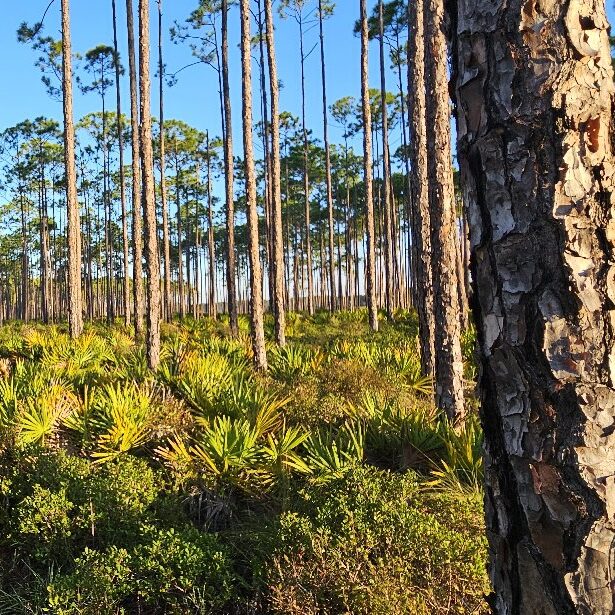
Armed with a camera and a hunger to immerse myself in fieldwork, I became an intern in the Avian Ecology Lab at Archbold Biological Station in the rural orange plantation and cattle ranch country of south-central Florida. Archbold is and has long been a community and hub for researchers and conservationists in the Southeast US. Spending months alongside similar minded young researchers with their own projects was an amazing experience I will never forget. My research pertained to the ultra-charismatic federally threatened Florida Scrub-Jay (Aphelocoma coerulescens or FLSJ). After waking up early to avoid the Florida heat like the jays do, I would greet the small alligator named Charlie that lived outside my window, make a quick peanut butter toast, hop on my ATV, and drive into the scrub. The work consisted of finding nests and monitoring nests and baby birds in order to maintain a long-term demography dataset containing the relationships of all the birds in the study area going back over 50 years. Spending hours alongside these birds for months, I got to know certain individuals by their personalities and habits, a truly unique experience that I treasure and try to share with others. I also conducted my own research project on the nest placement of FLSJ’s and presented it at the 2025 American Ornithological Society conference in Colorado.
The Open Road
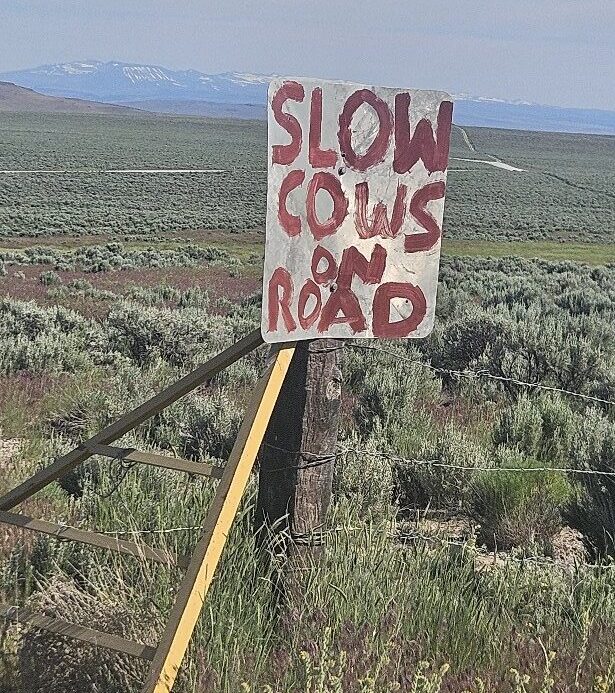
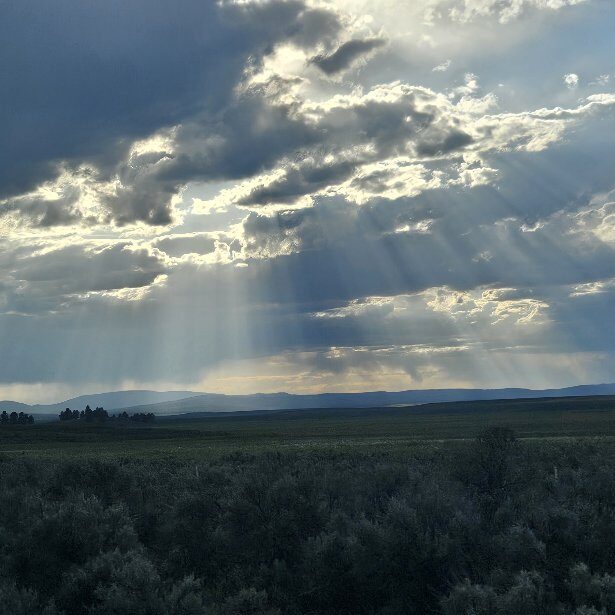
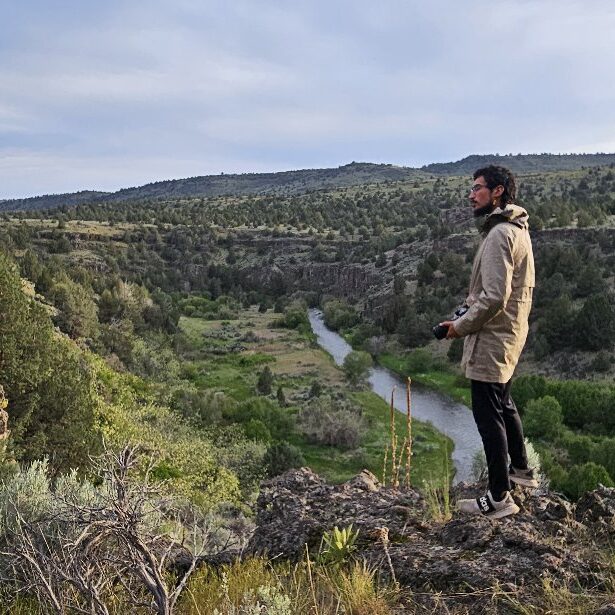
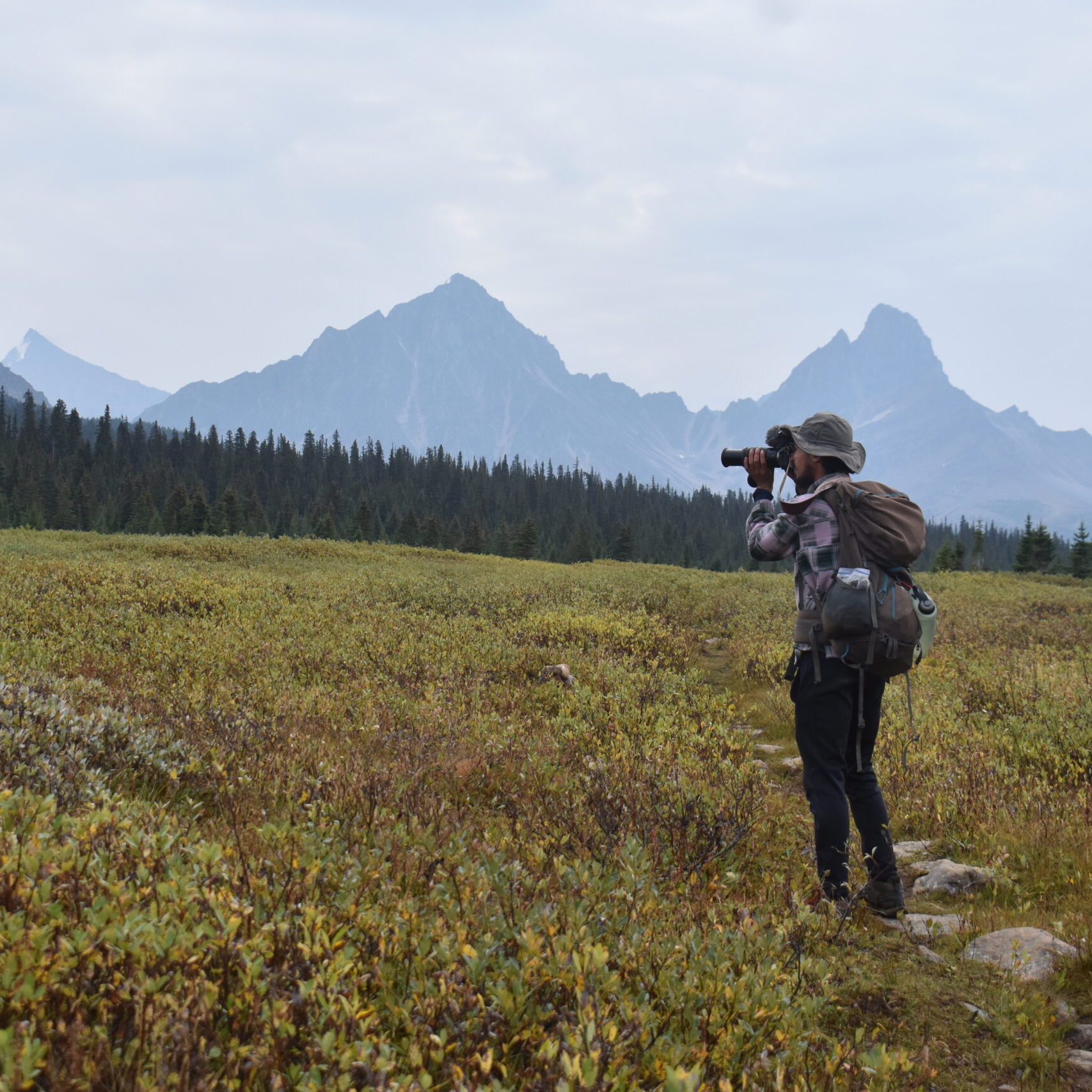
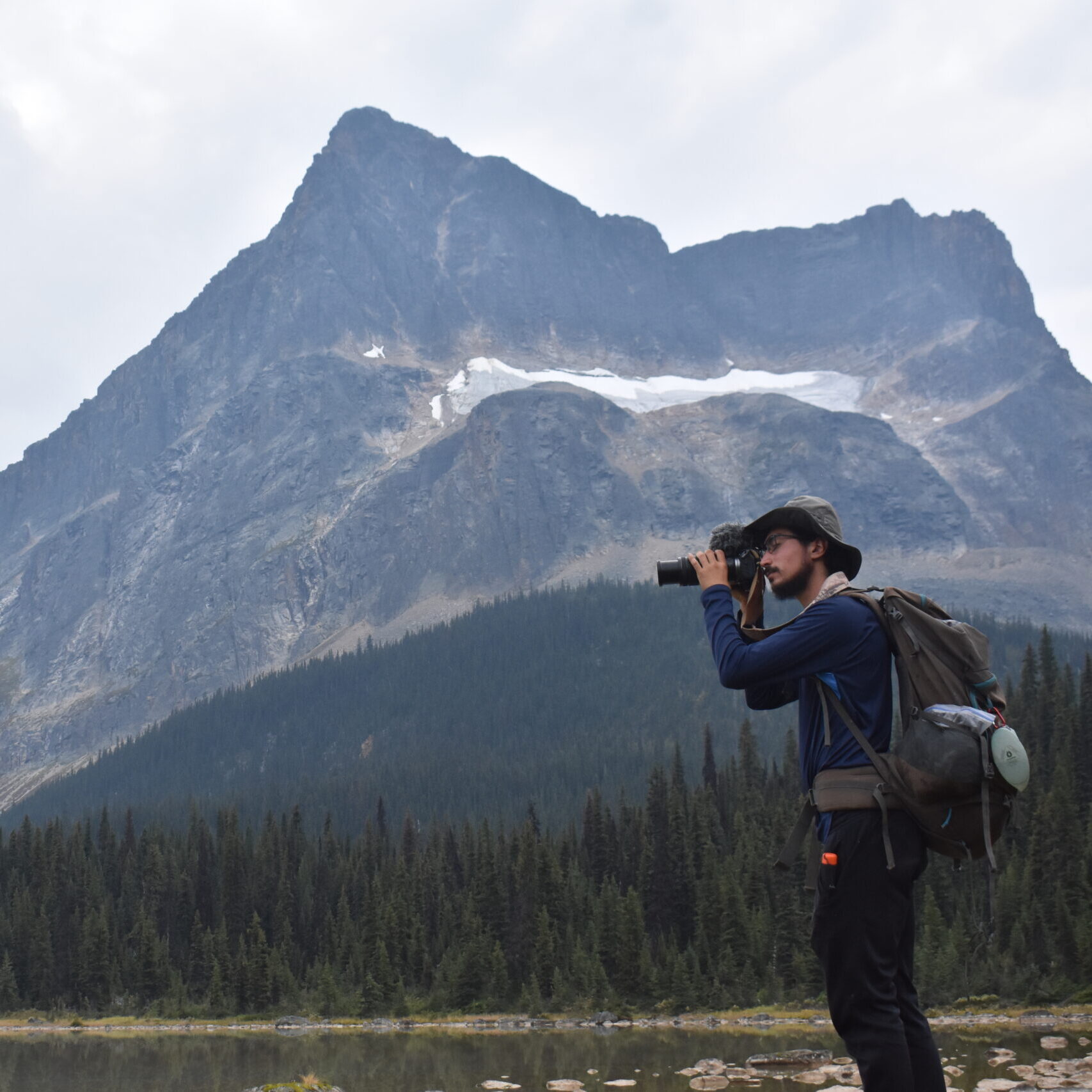
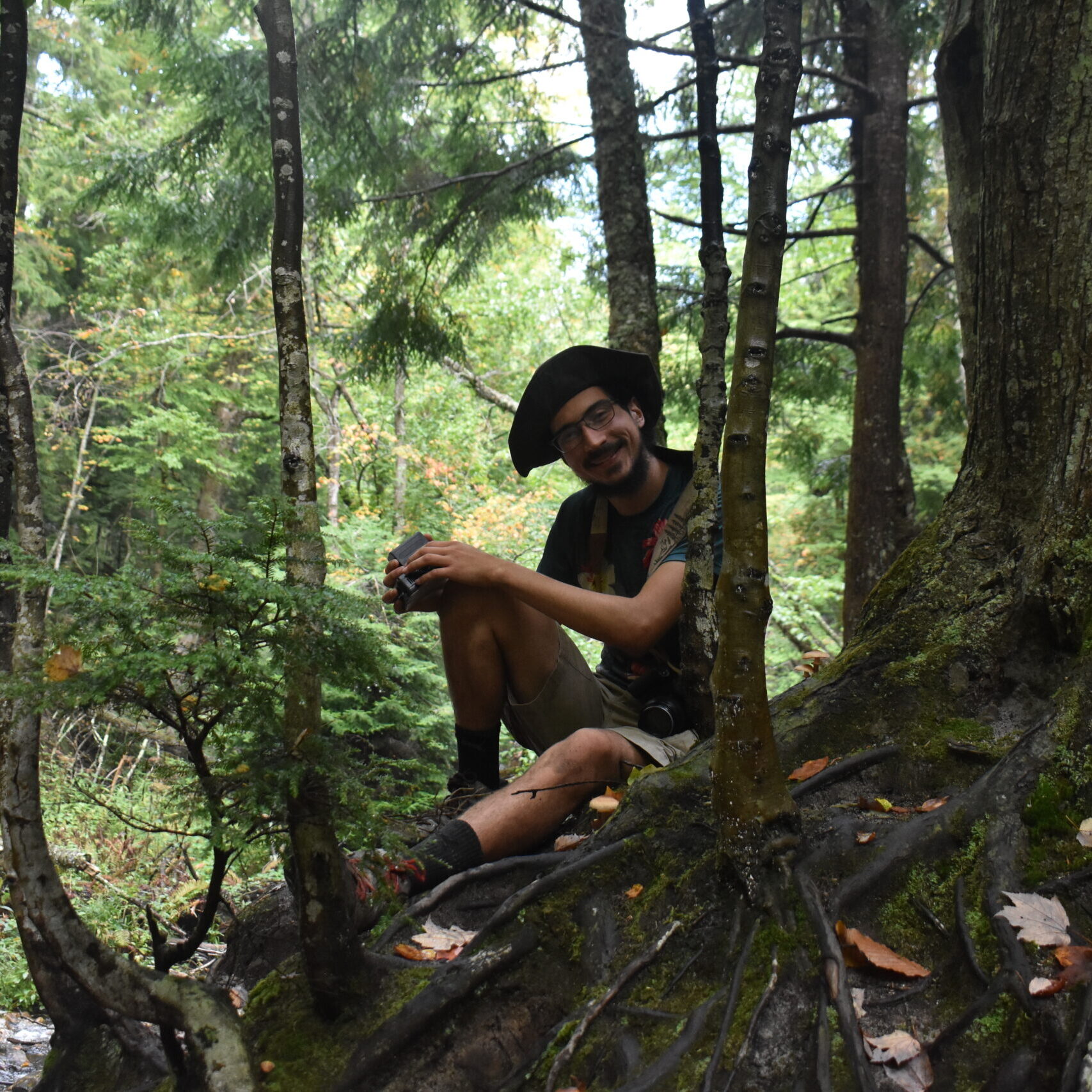
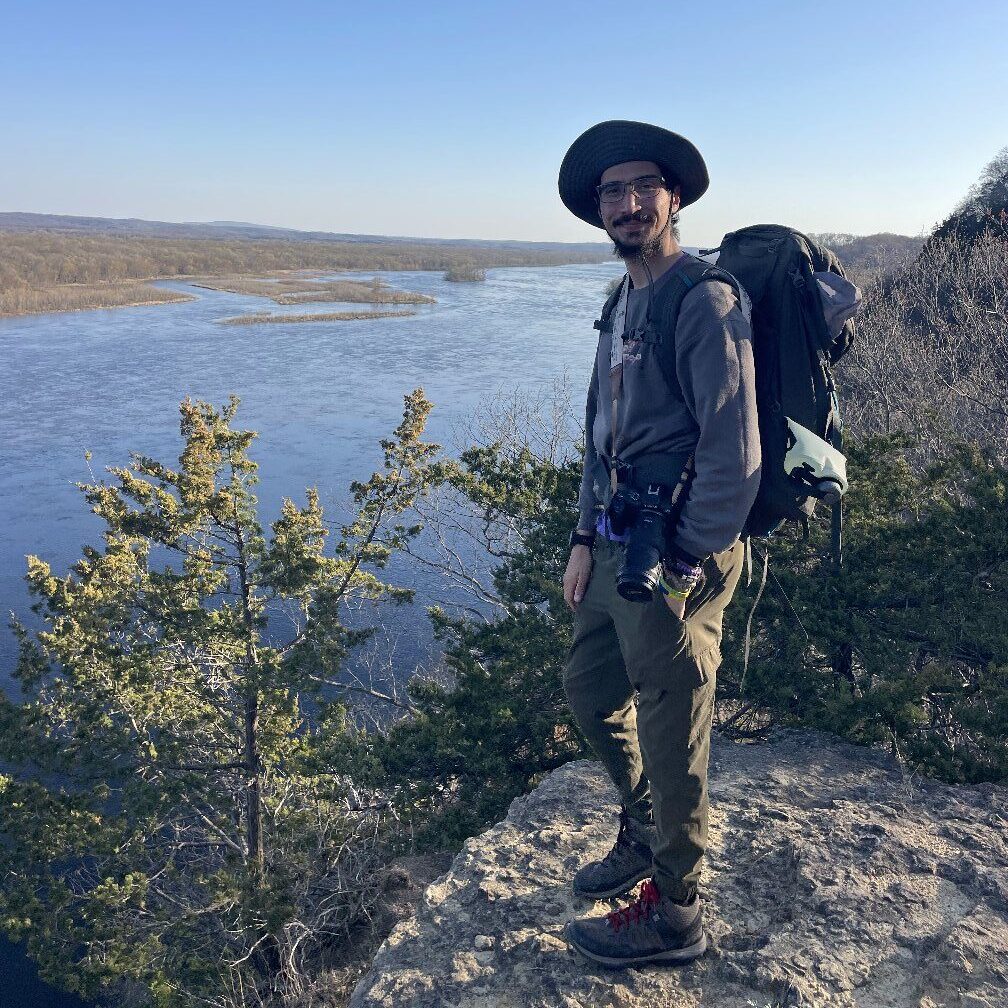
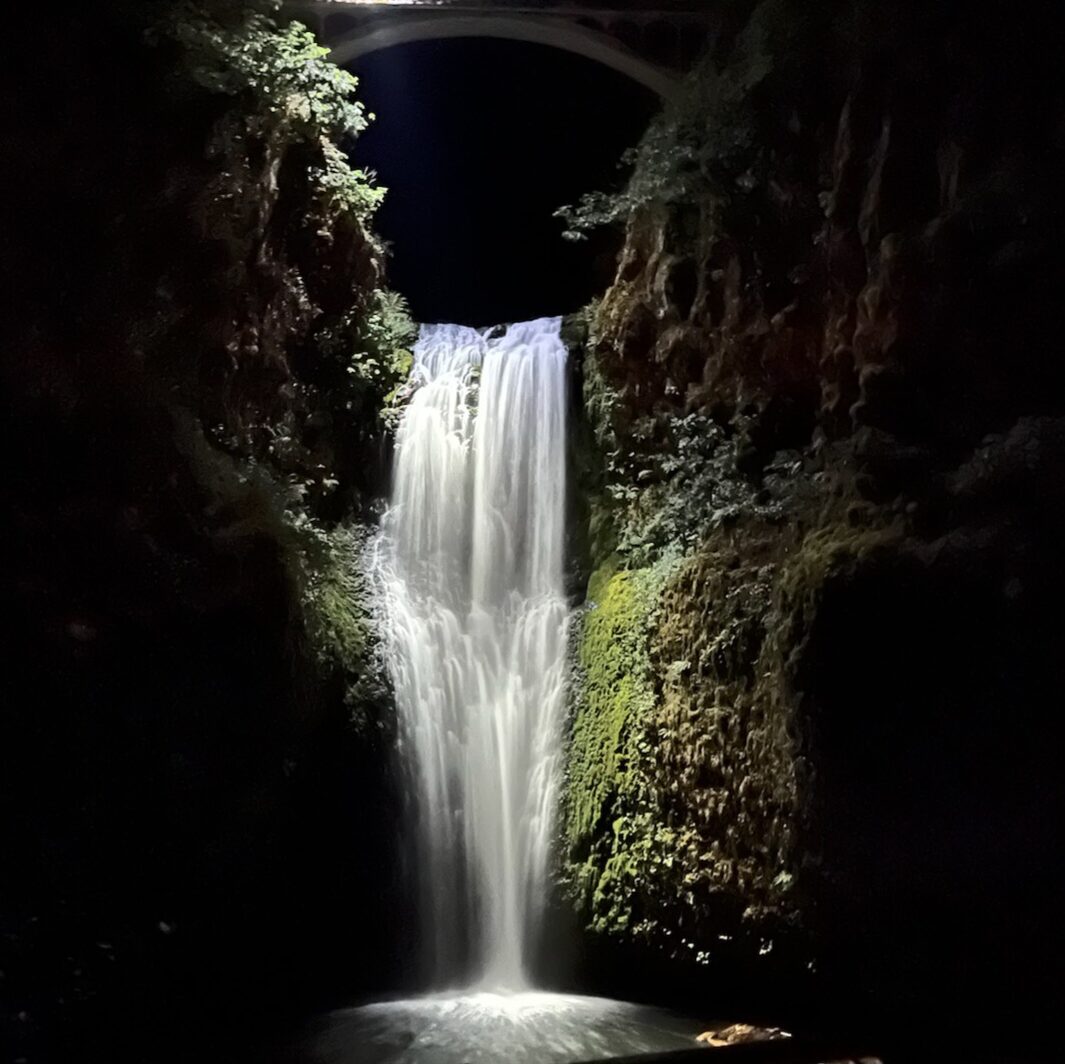
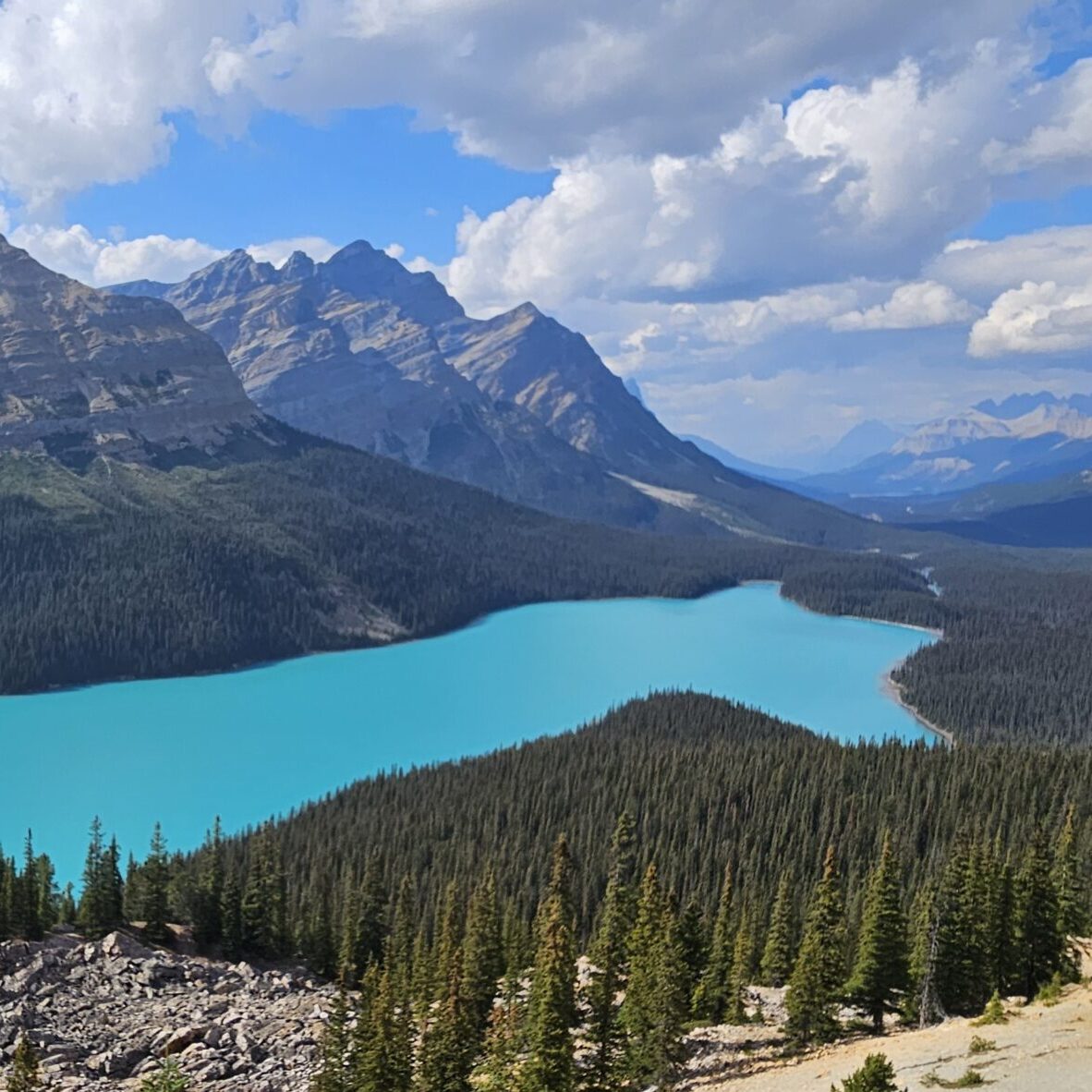
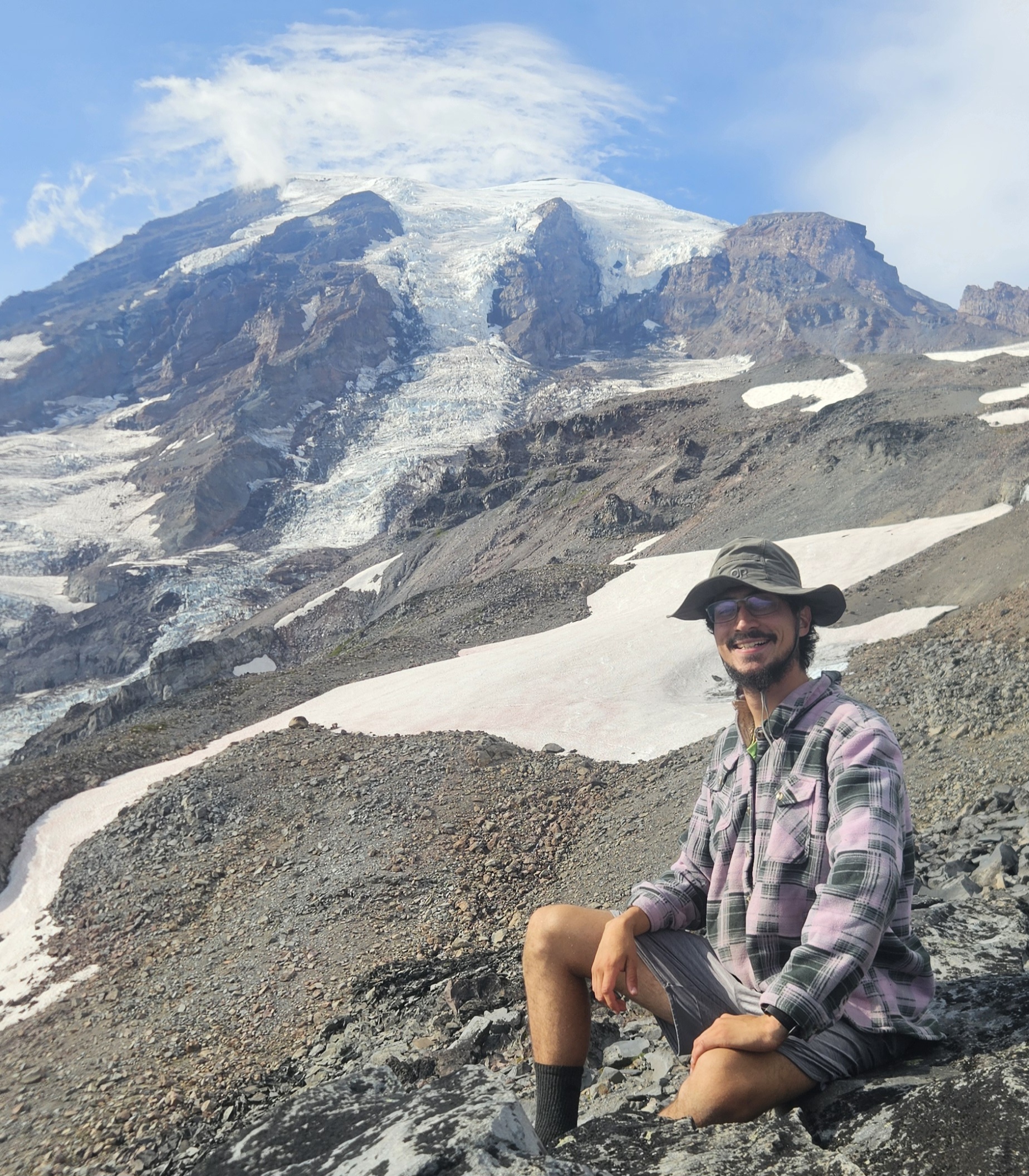
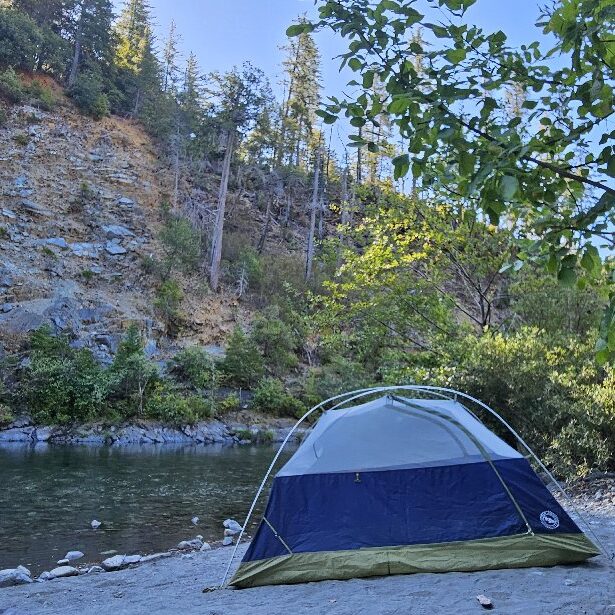
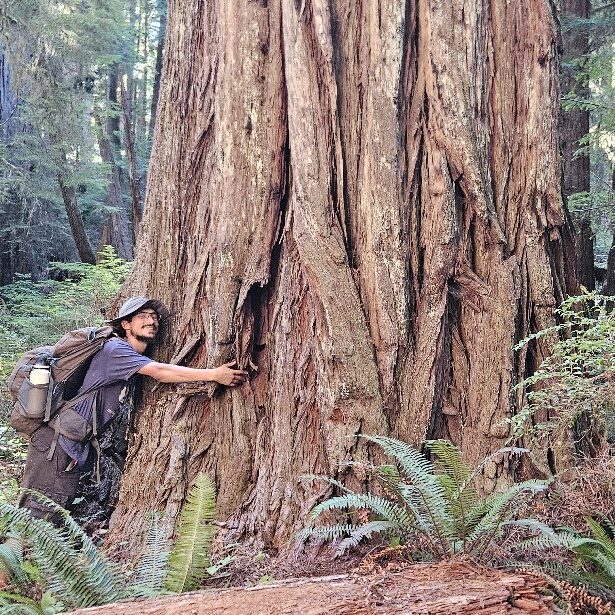
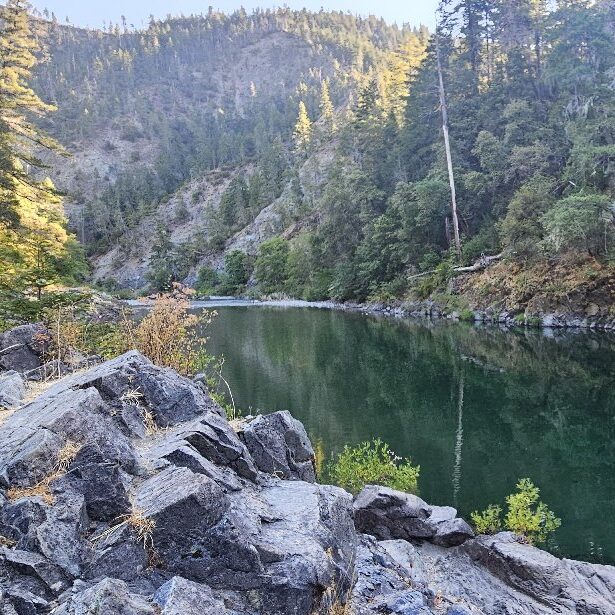
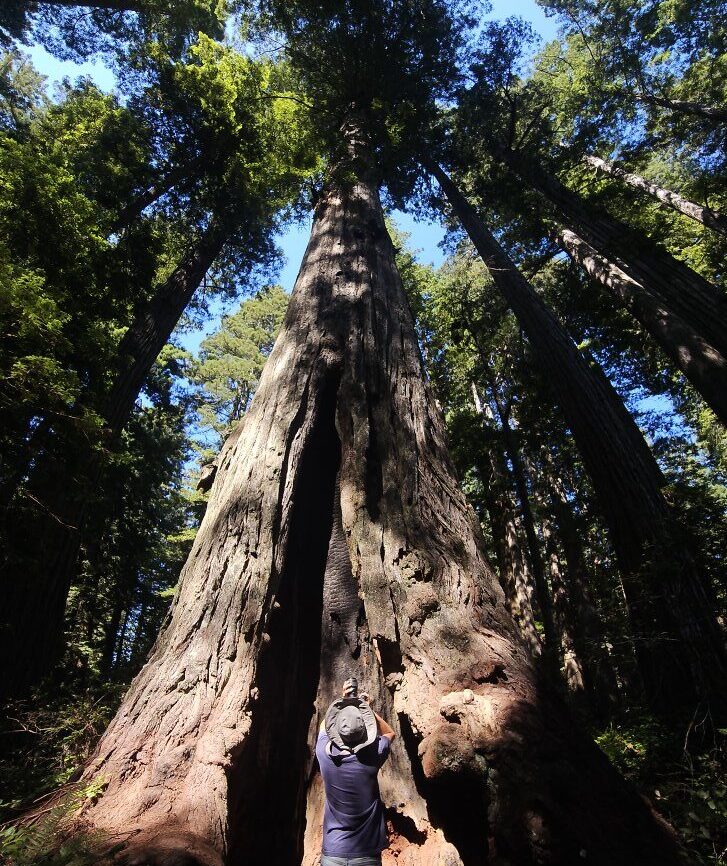
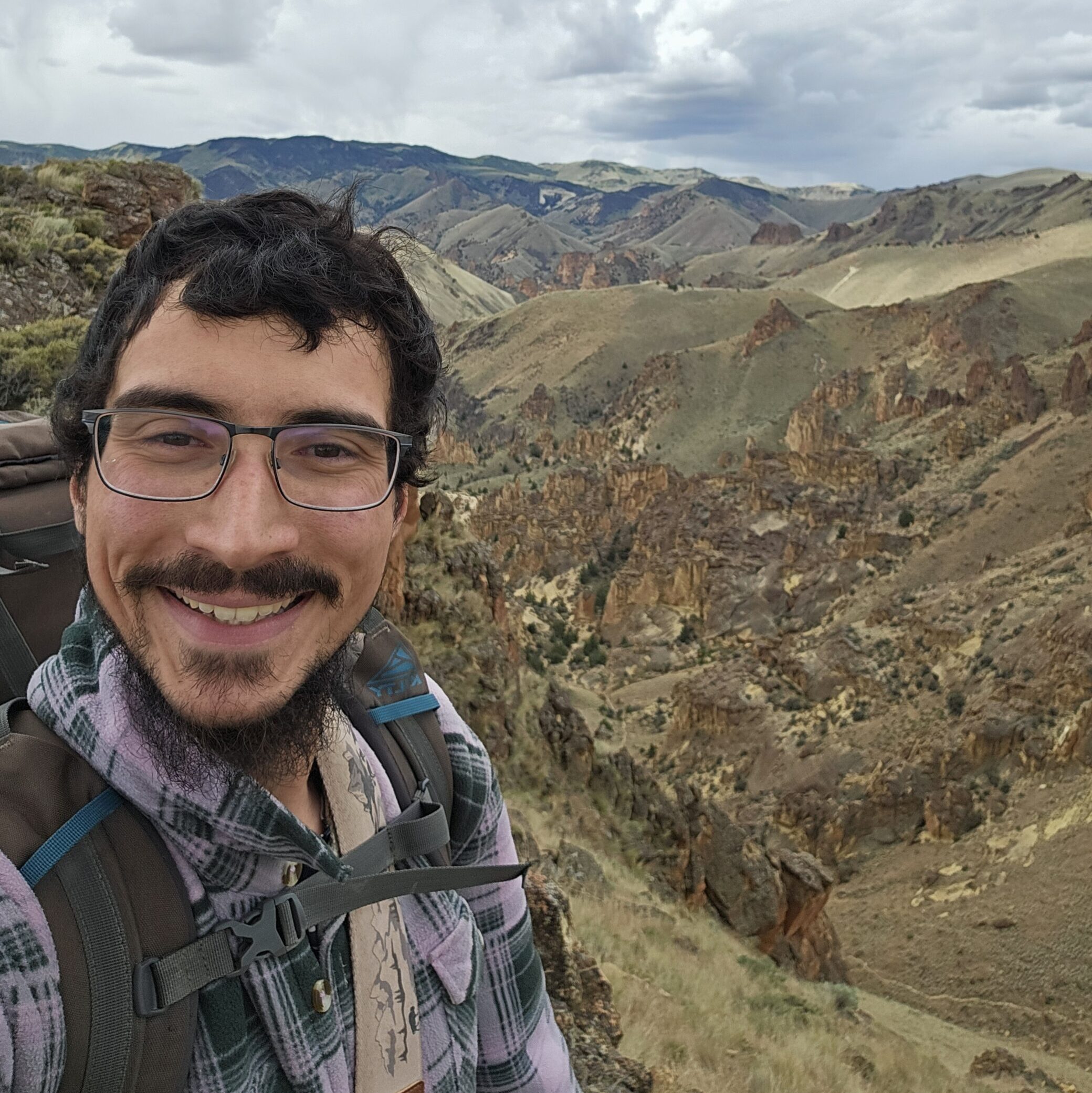
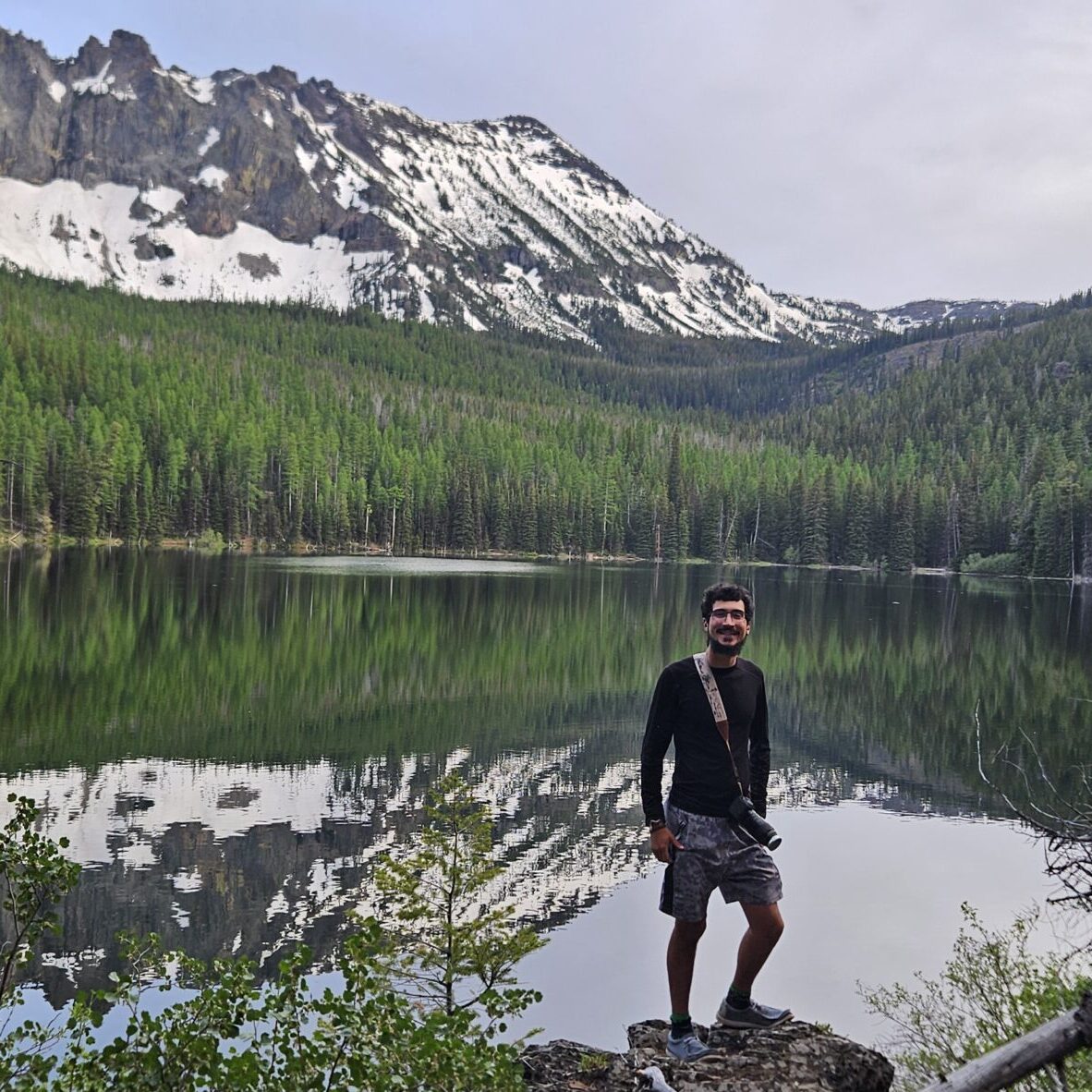
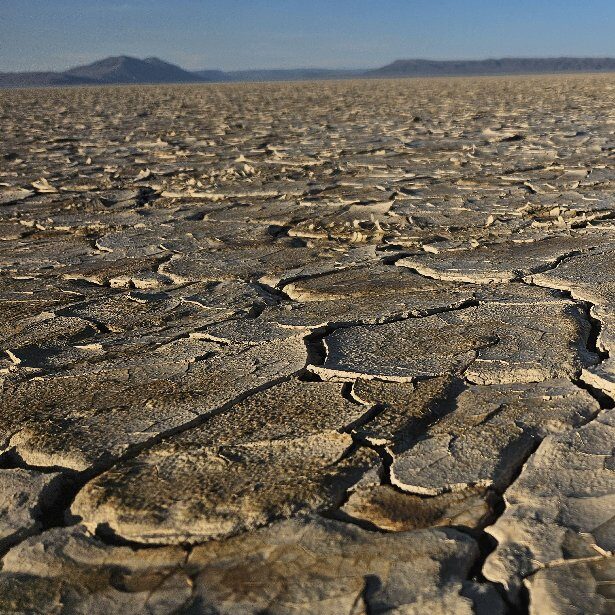
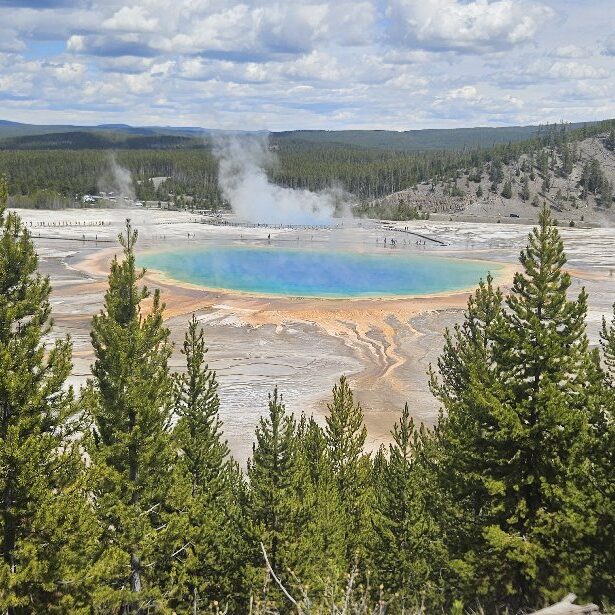
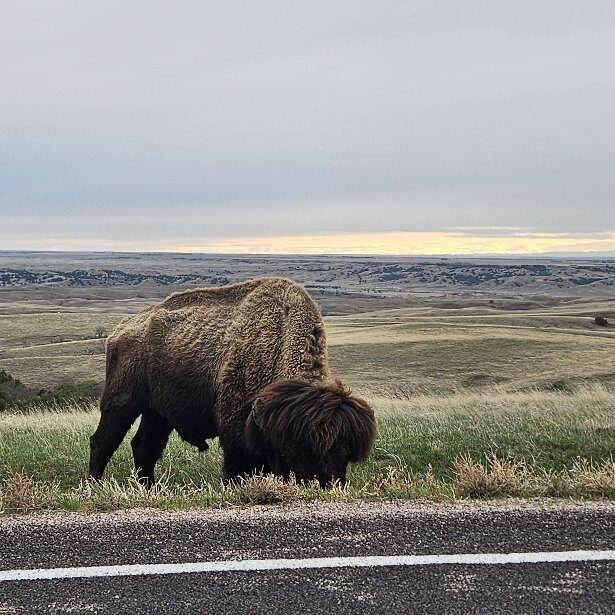
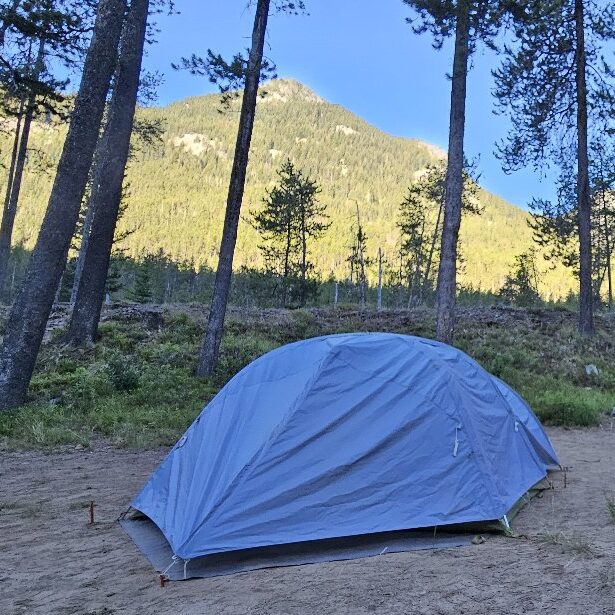
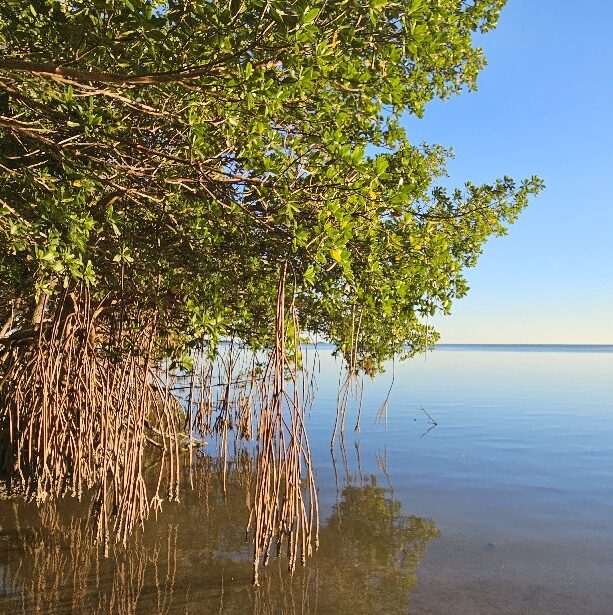
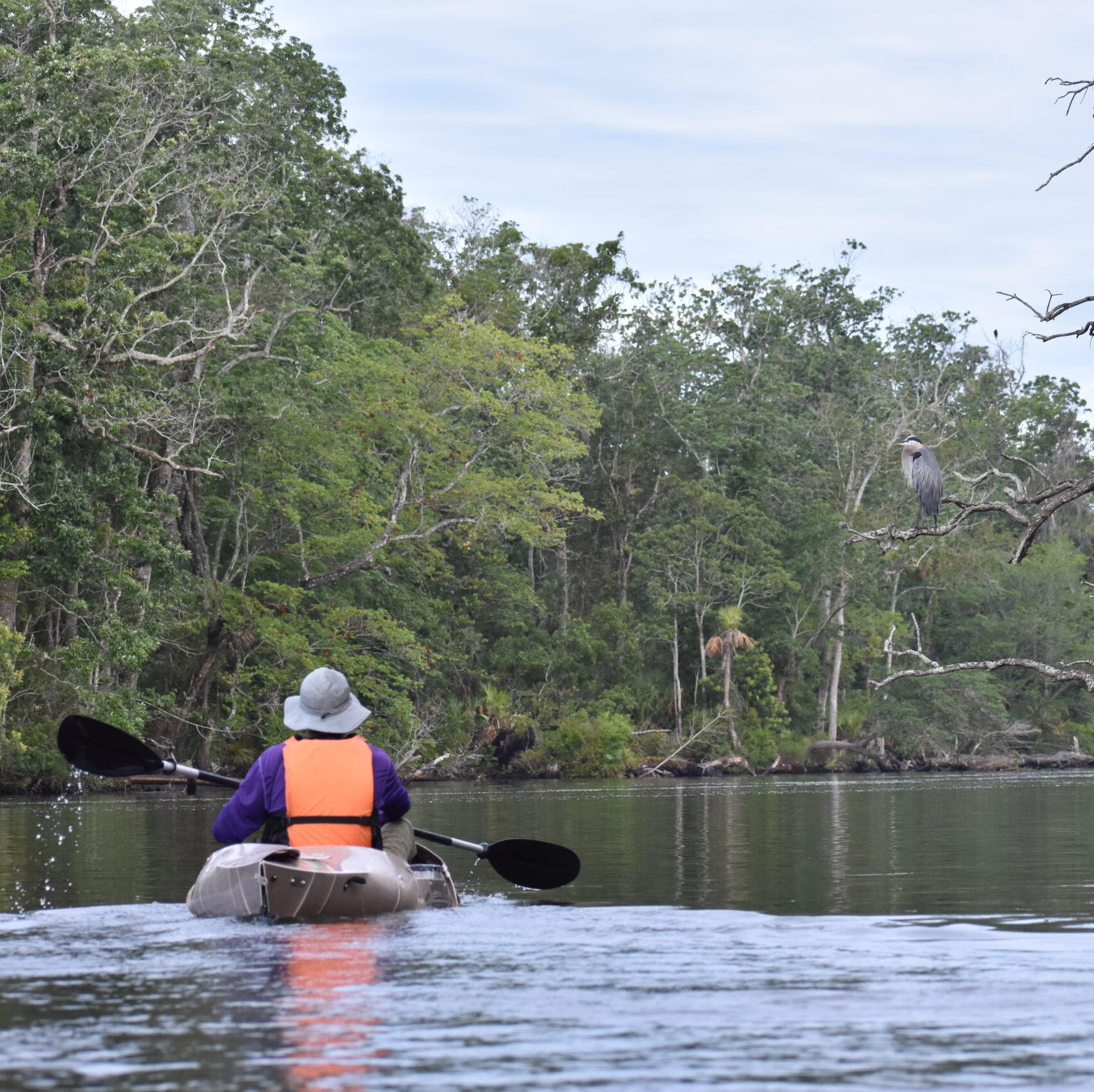
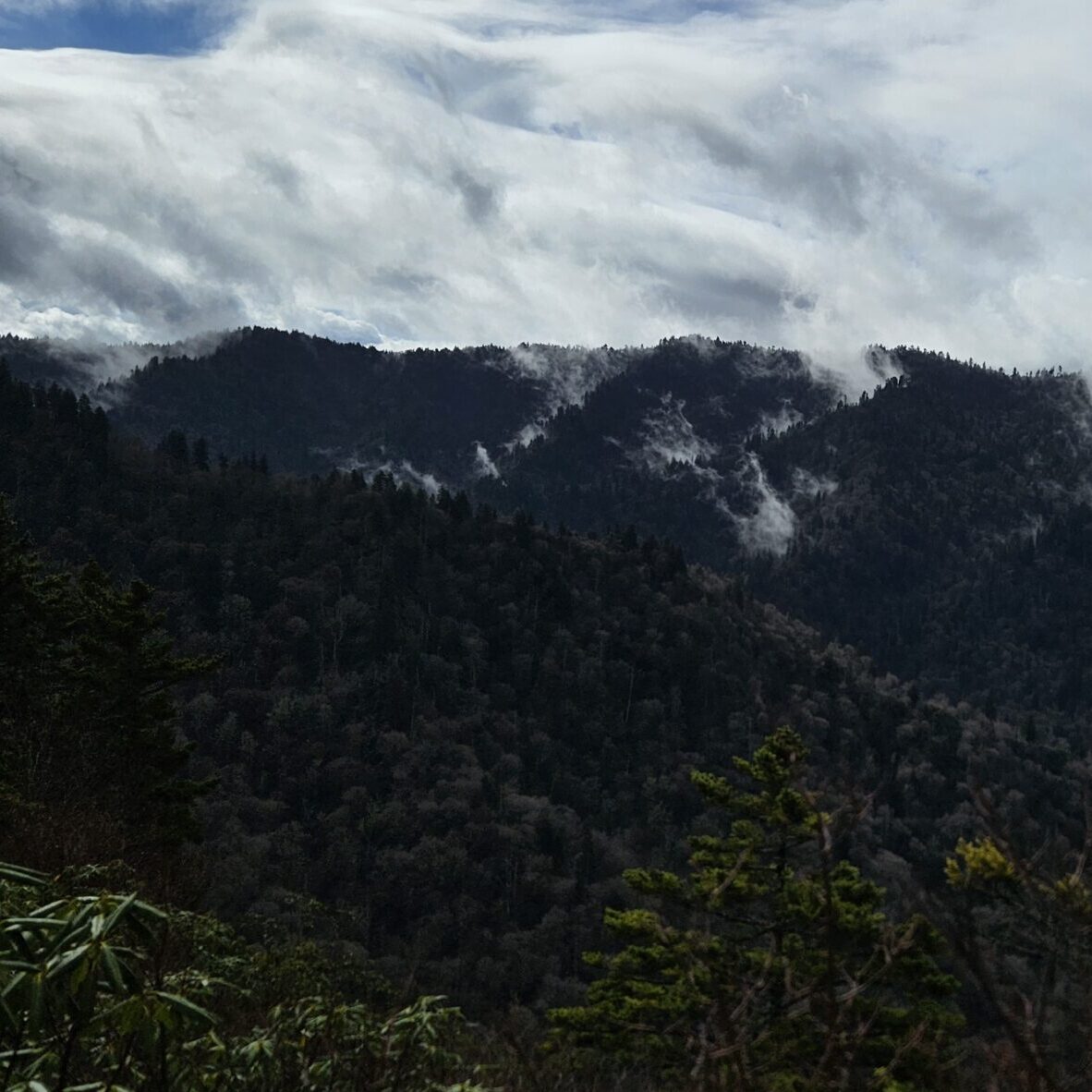
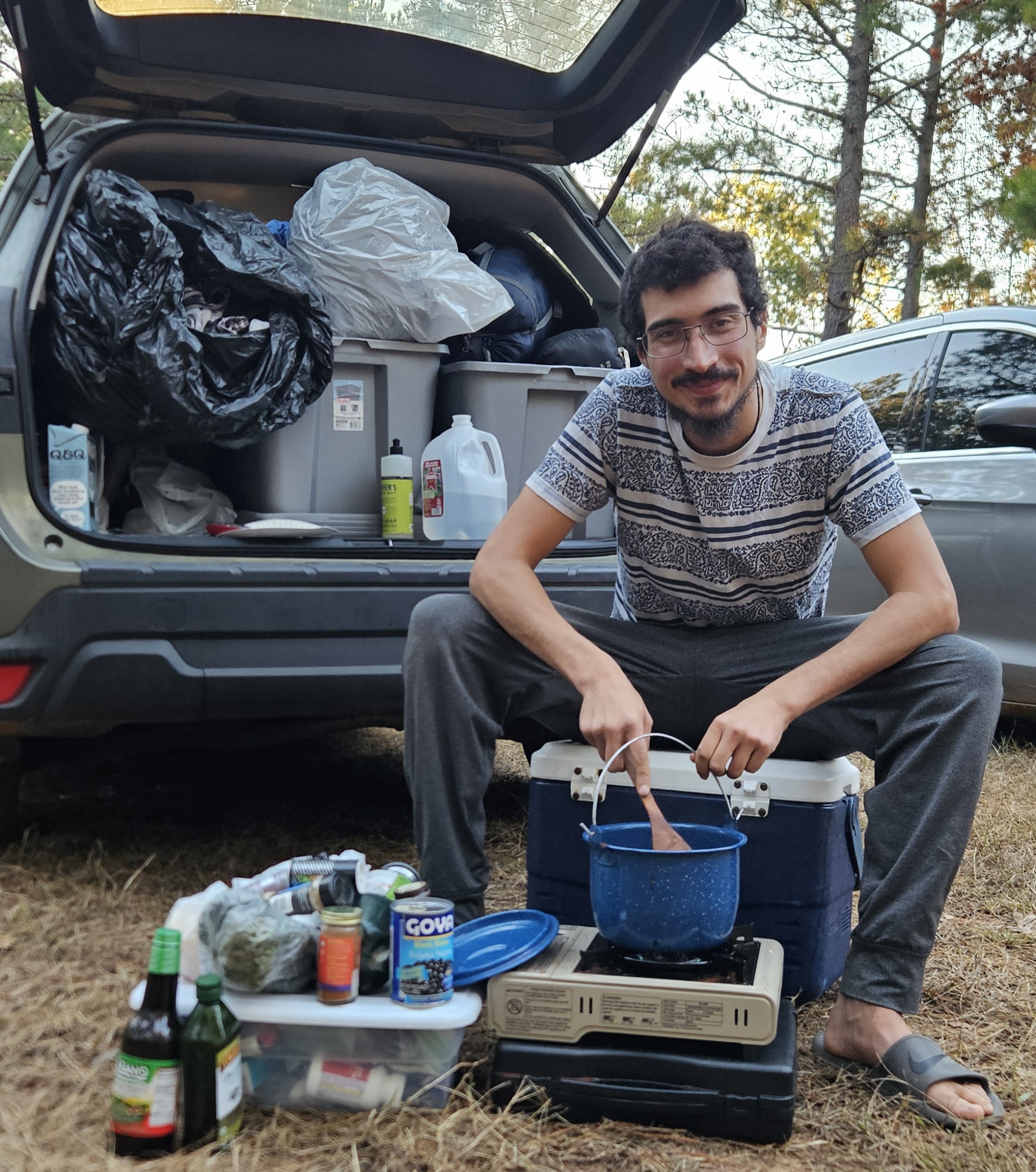
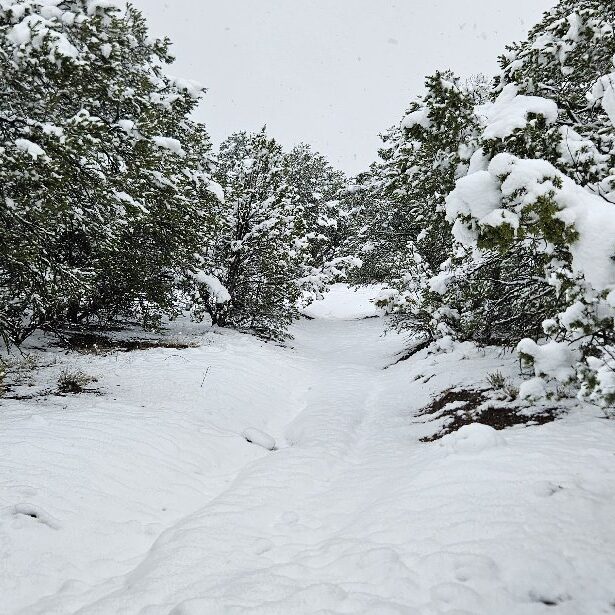
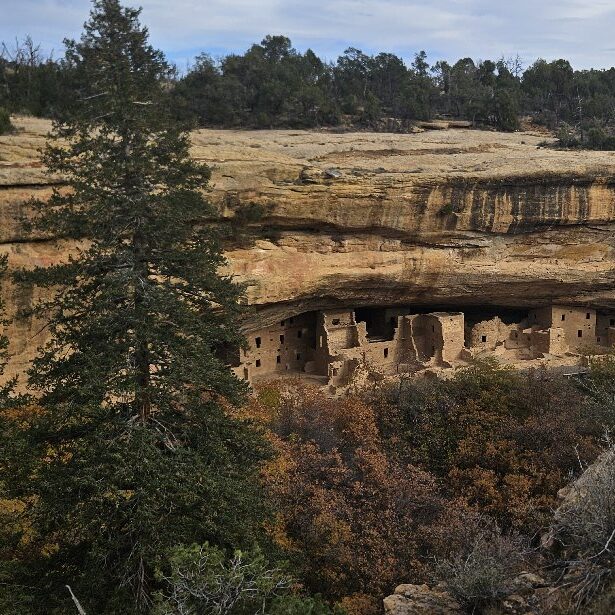
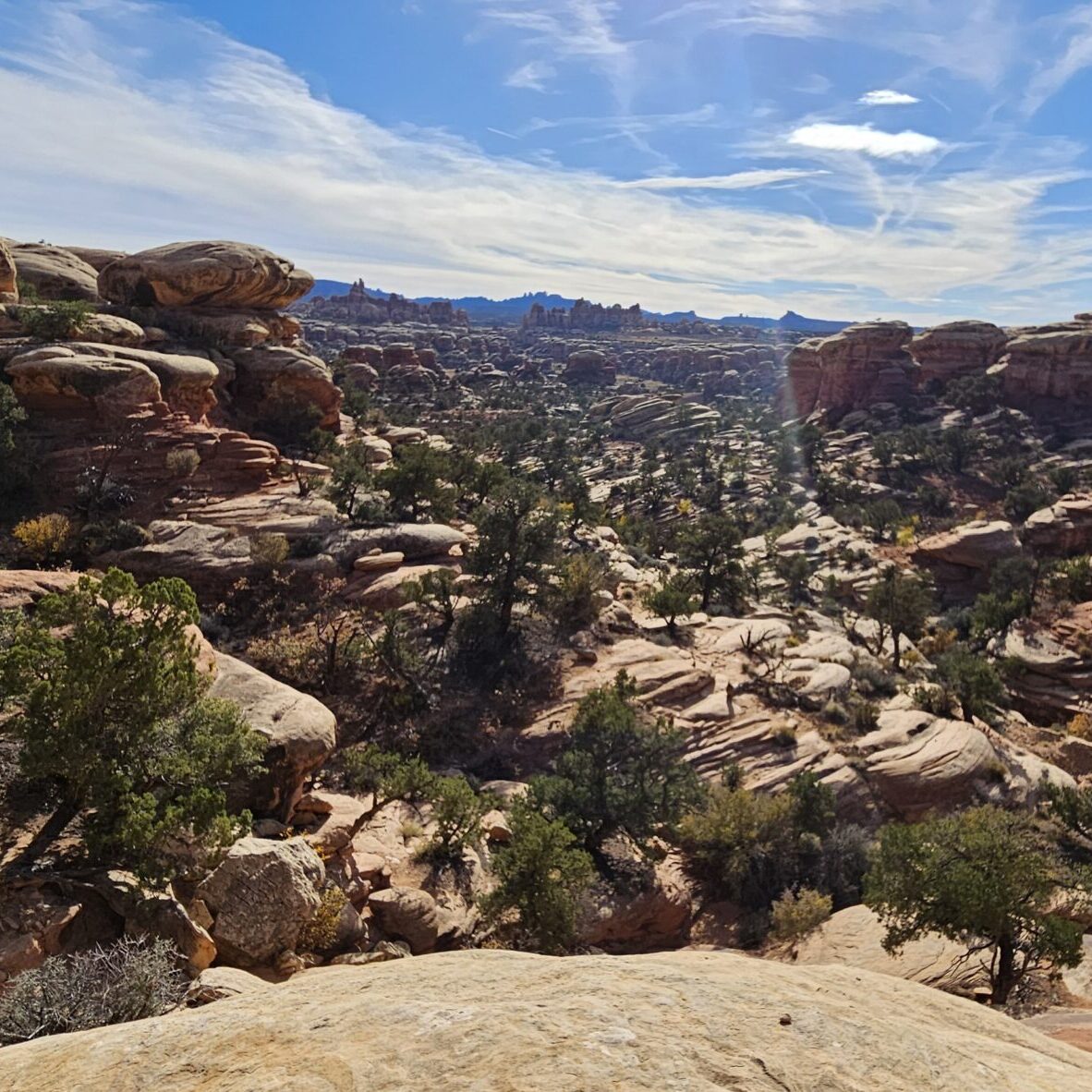
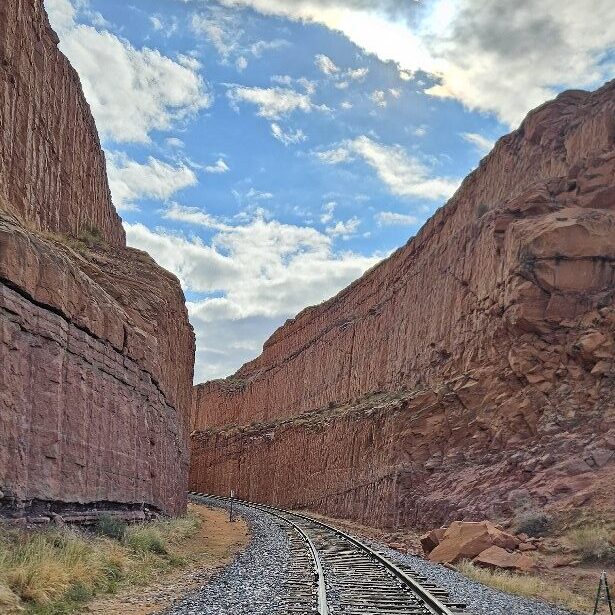
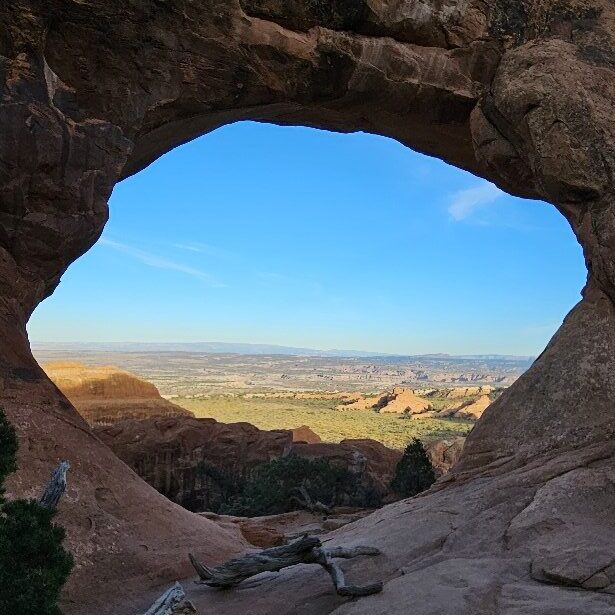
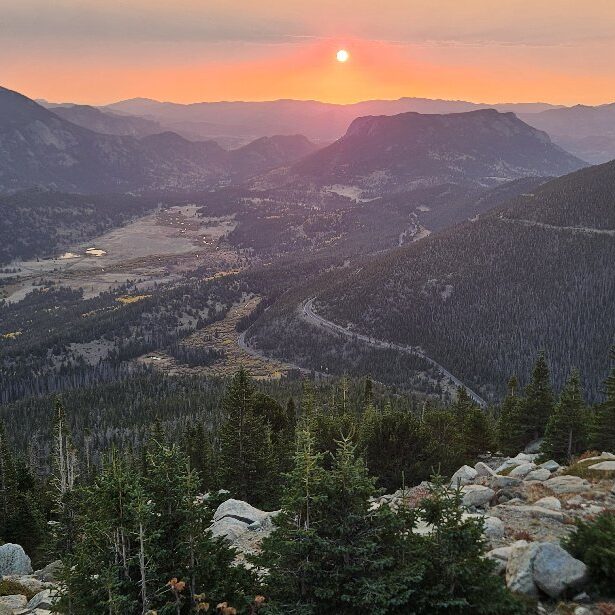
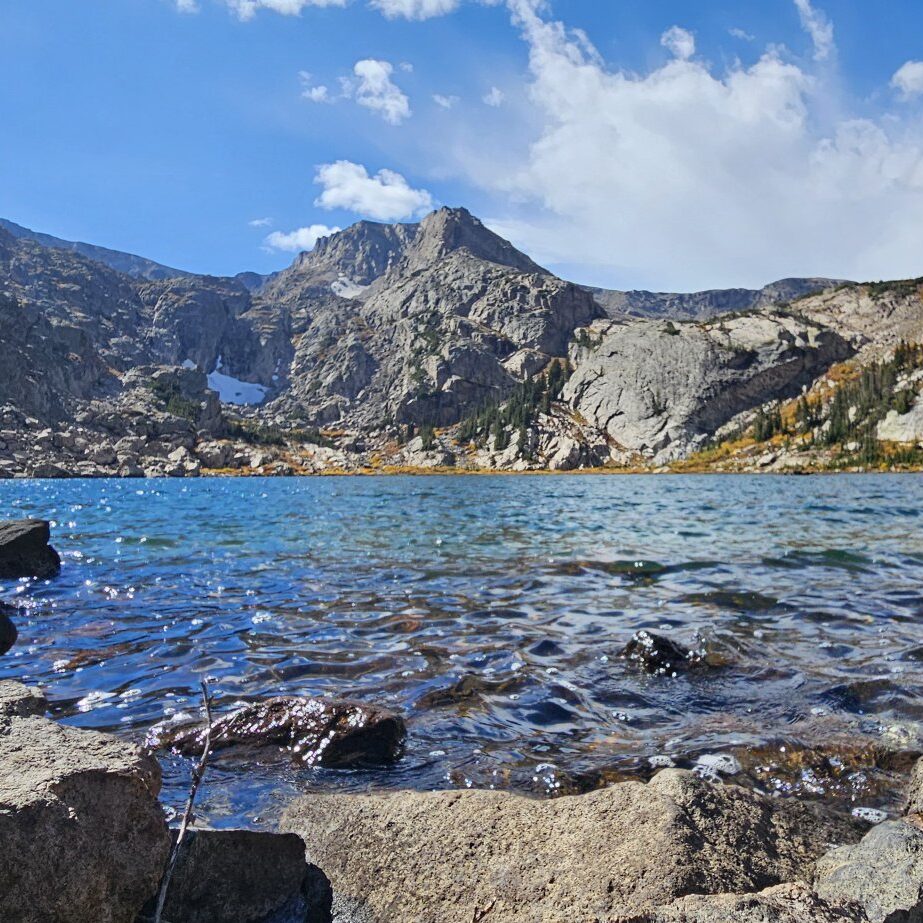
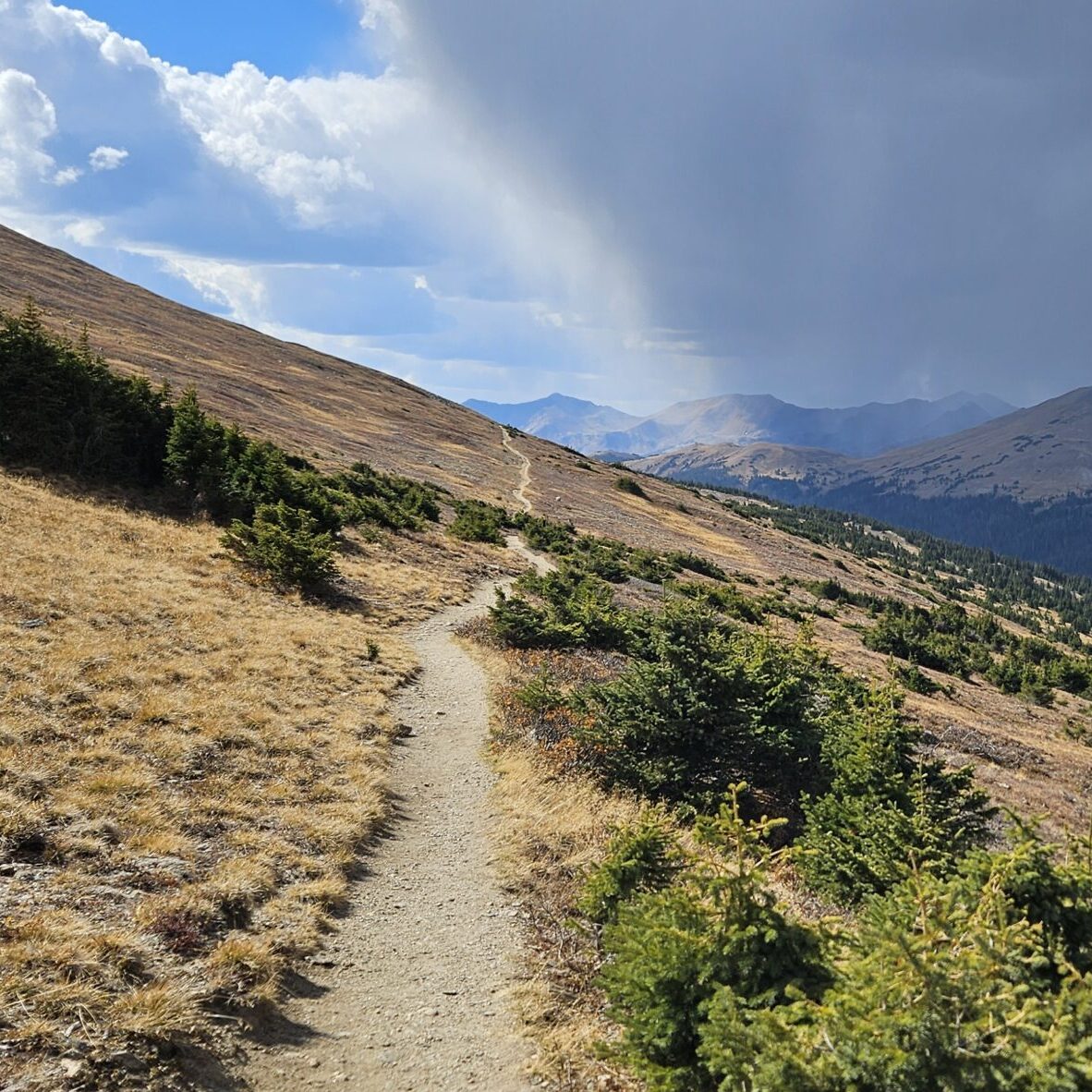
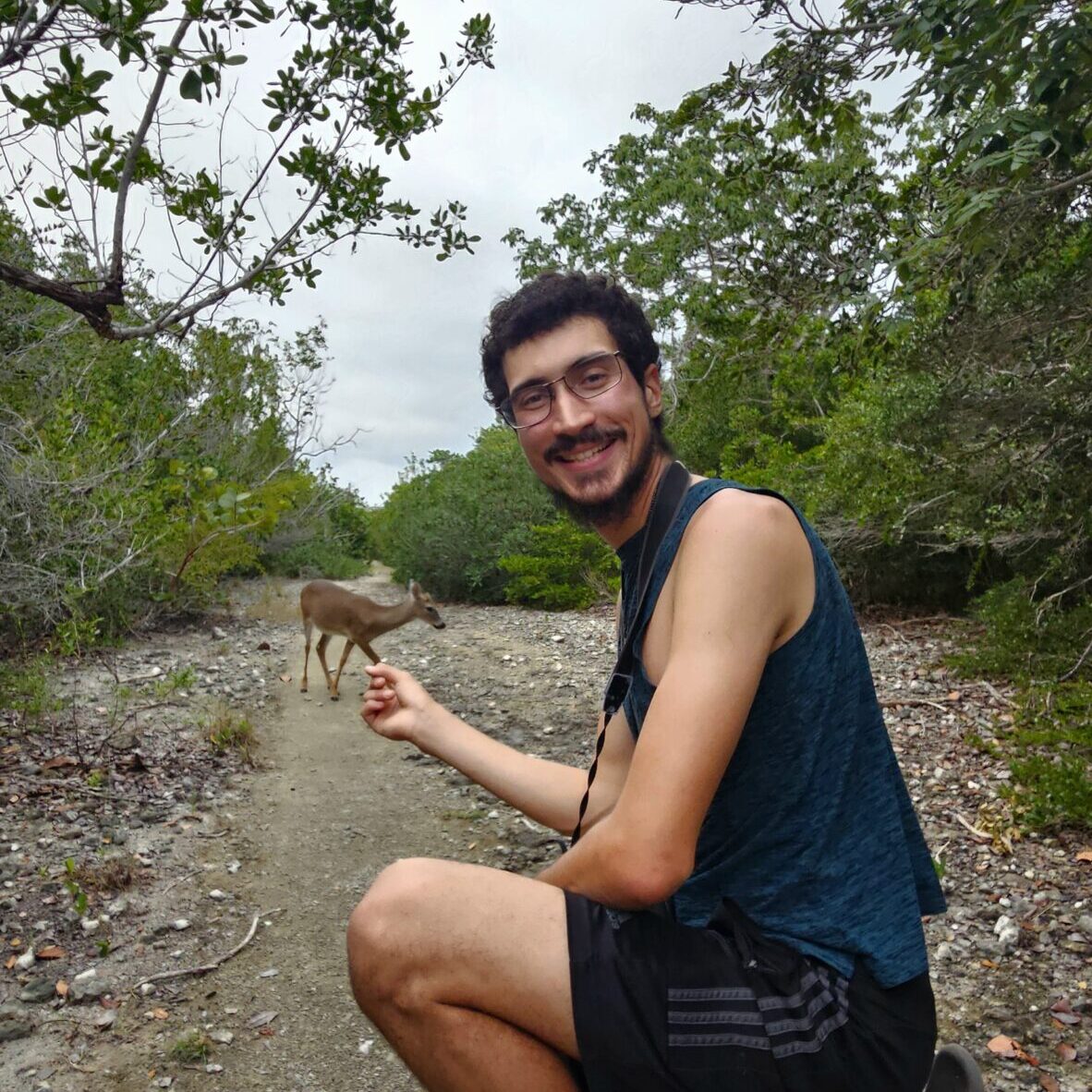
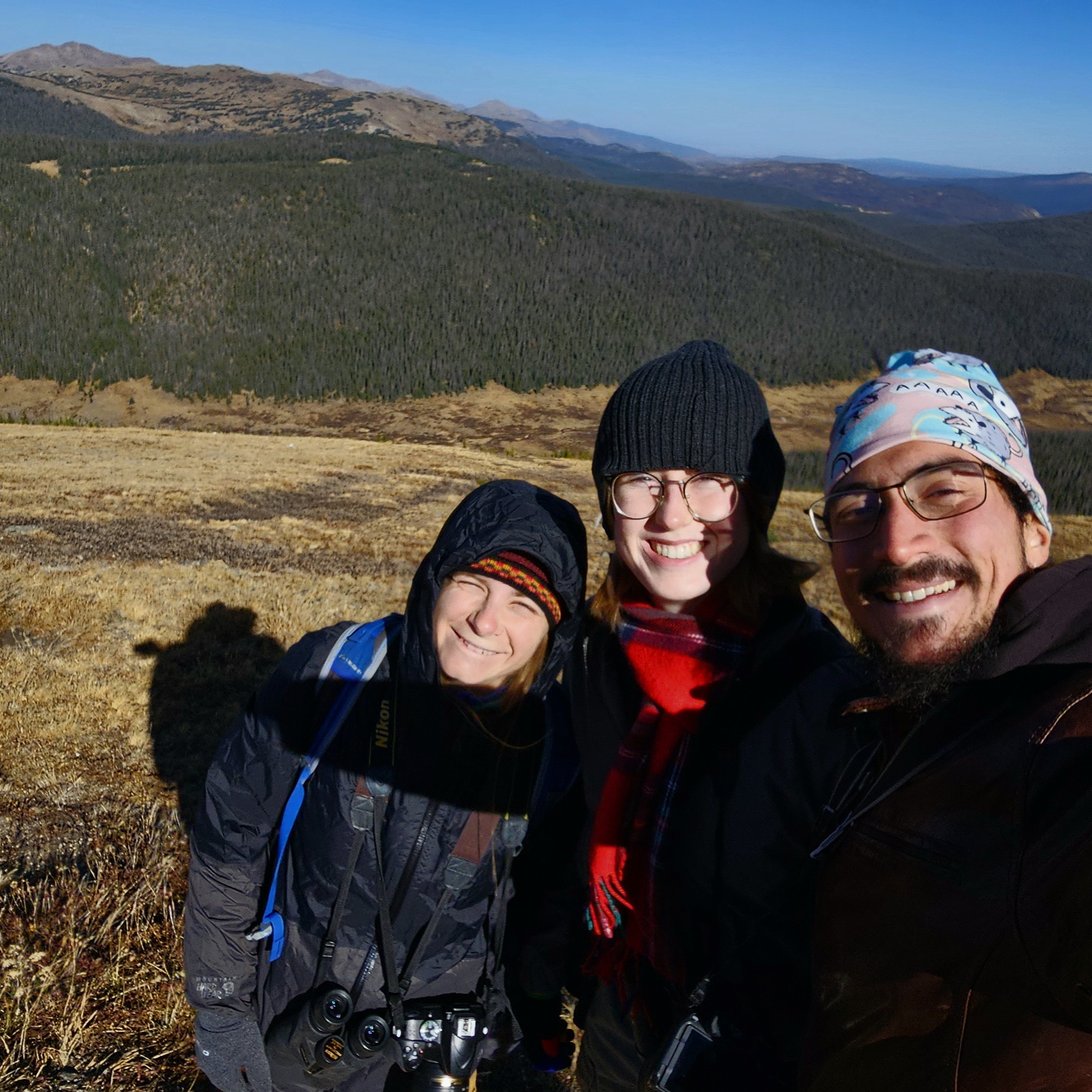
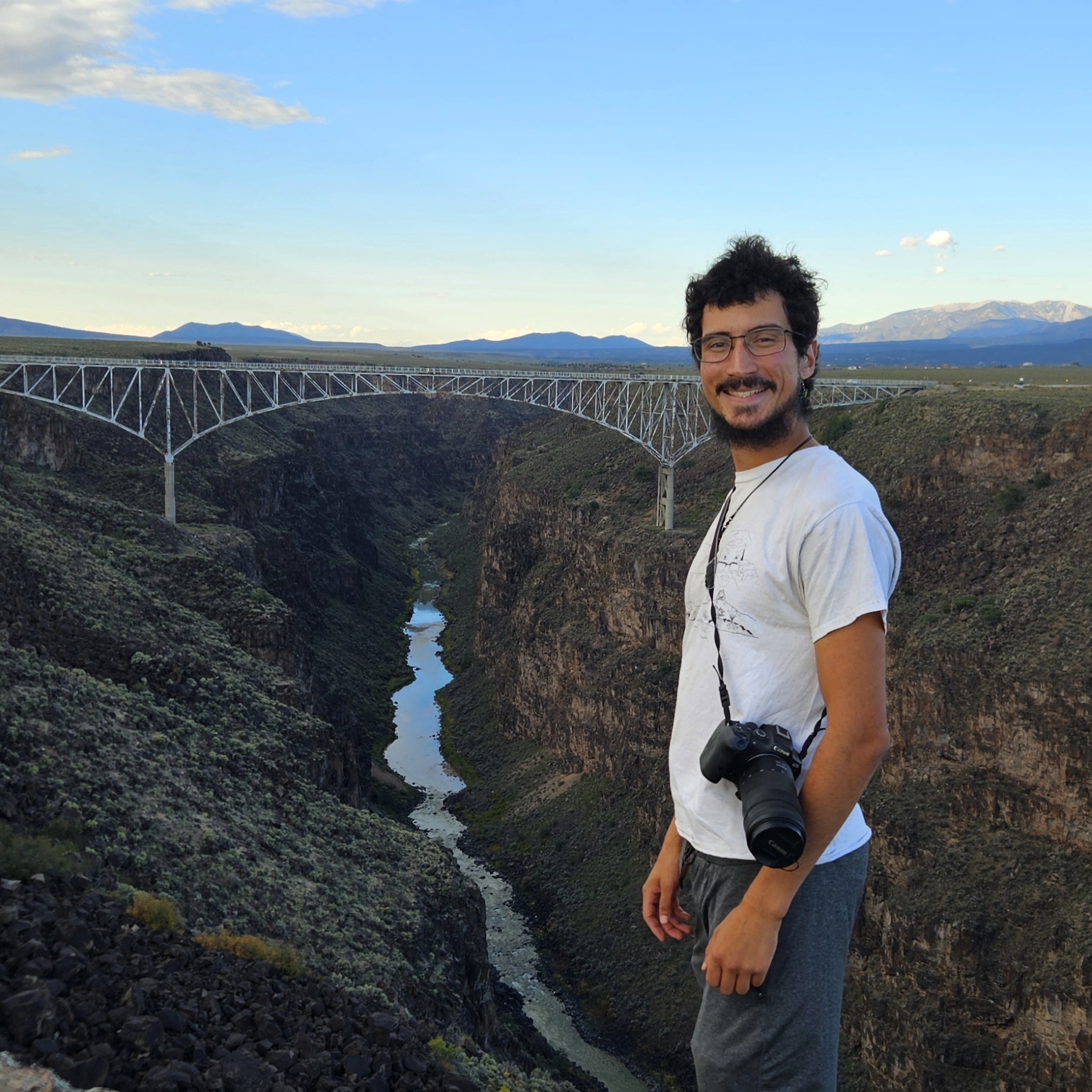
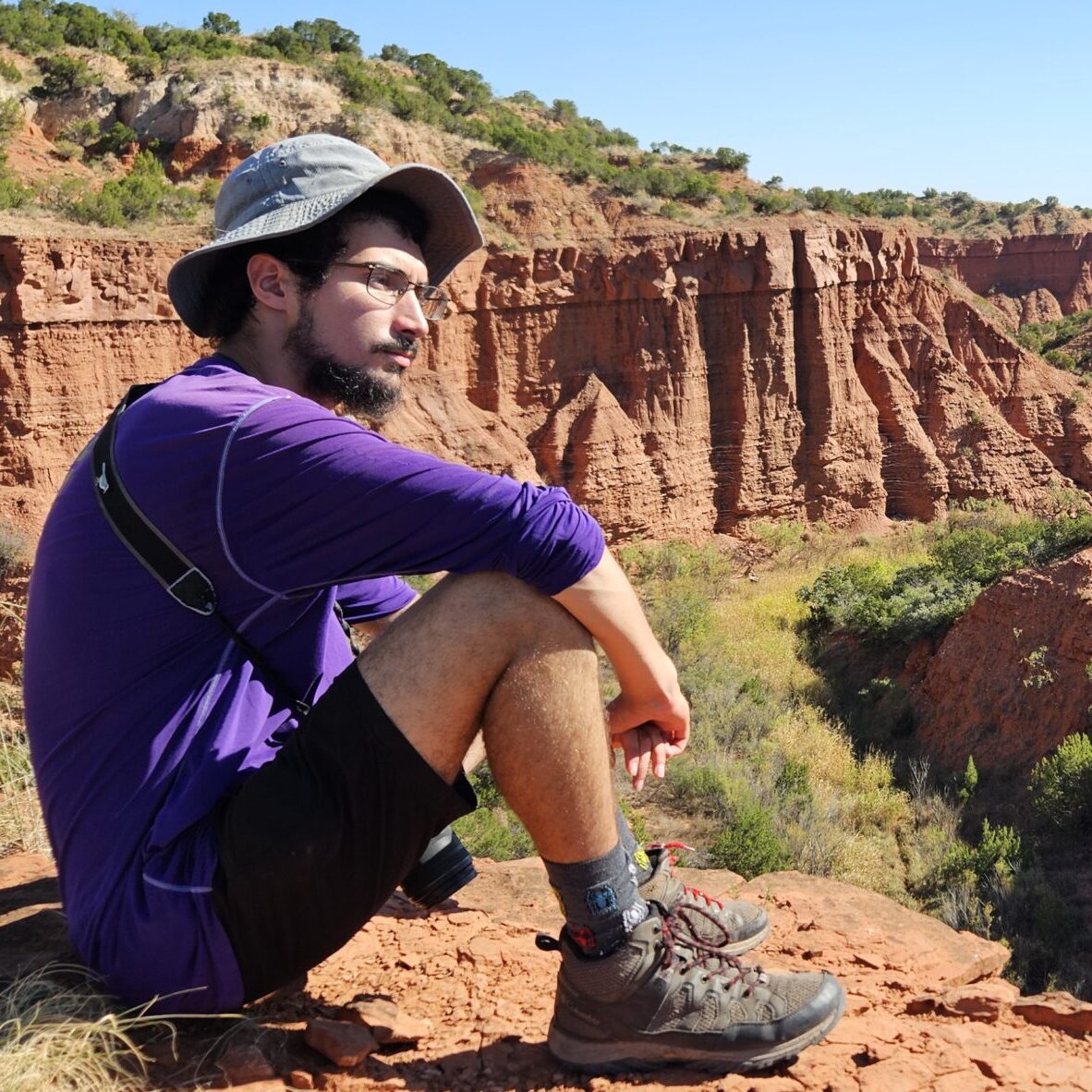
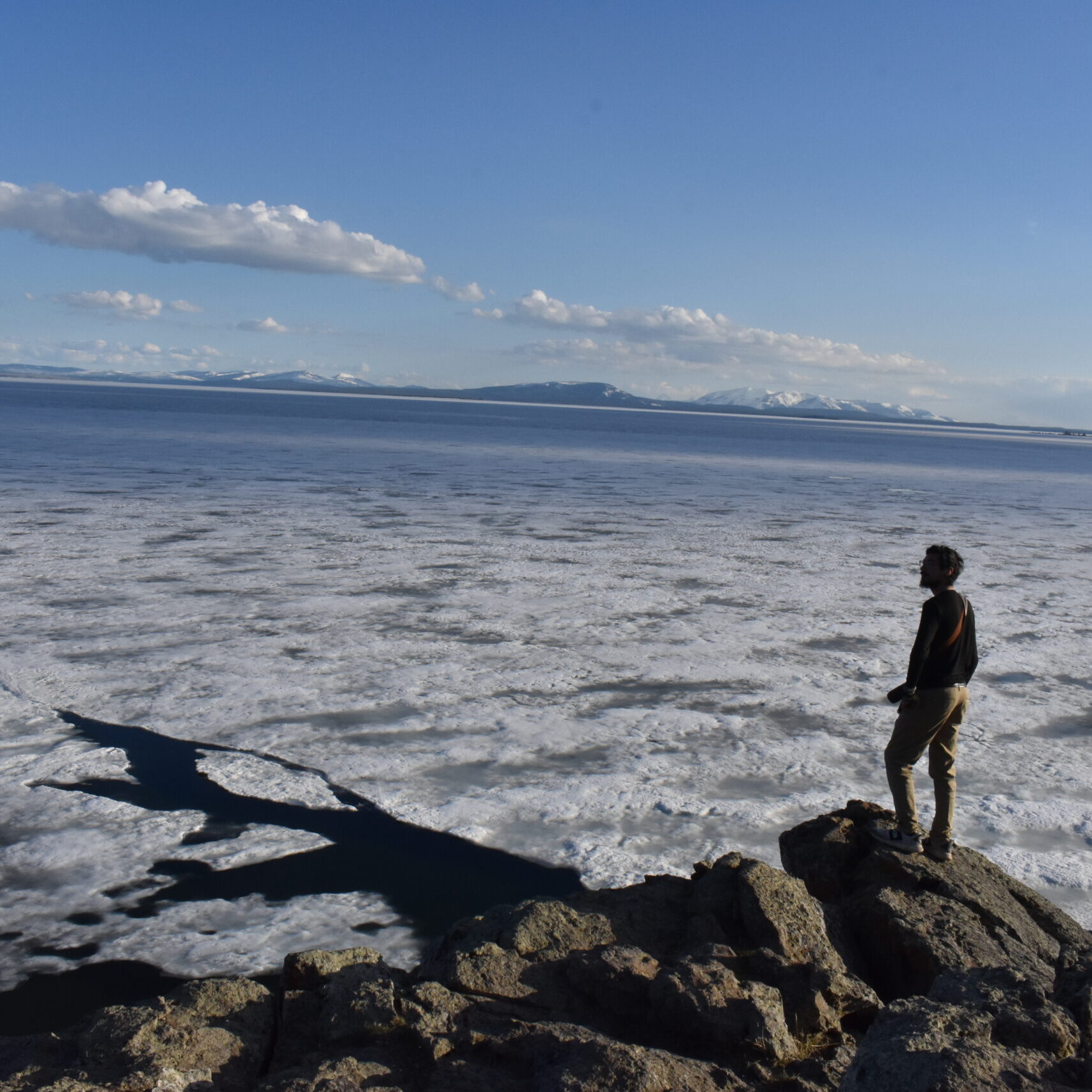
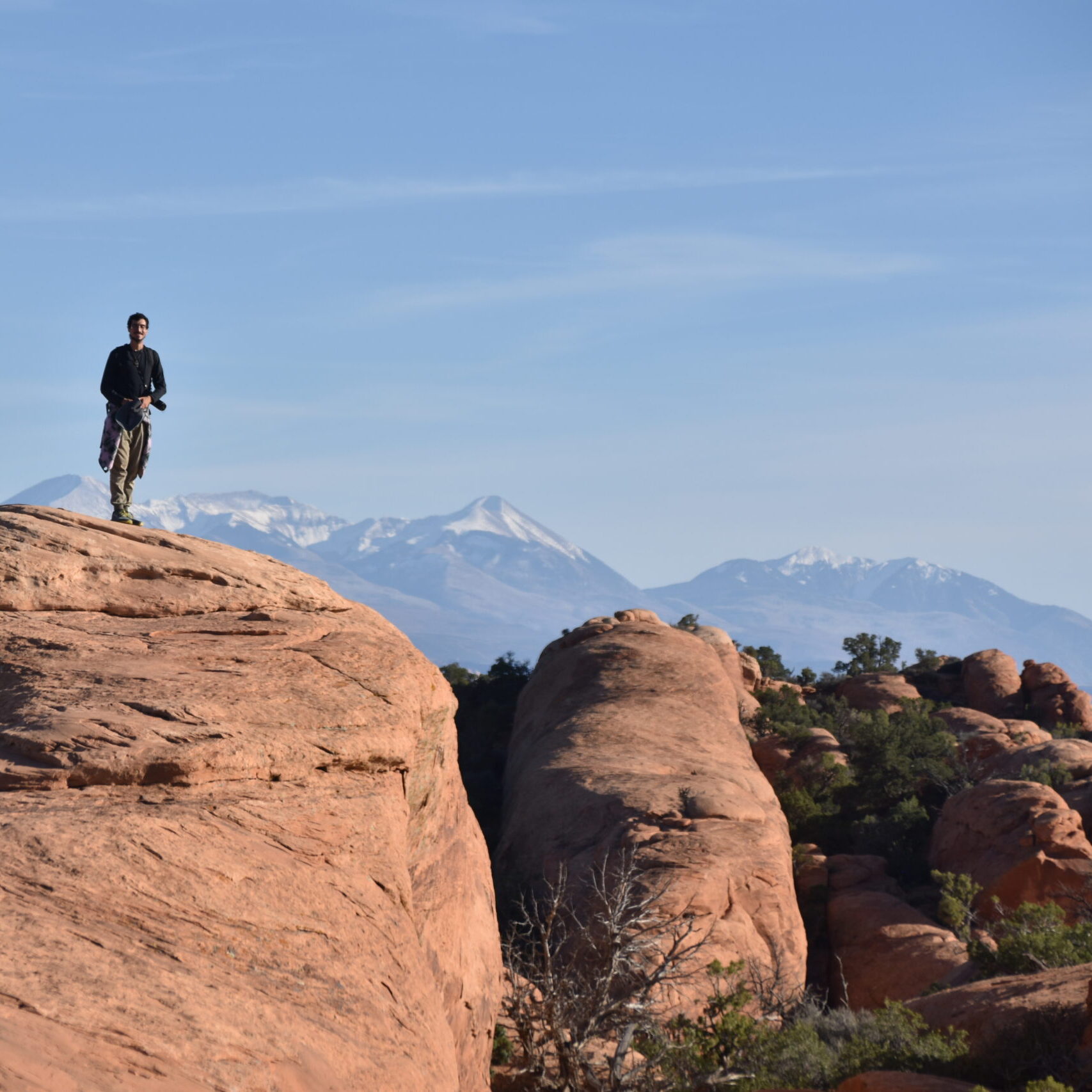
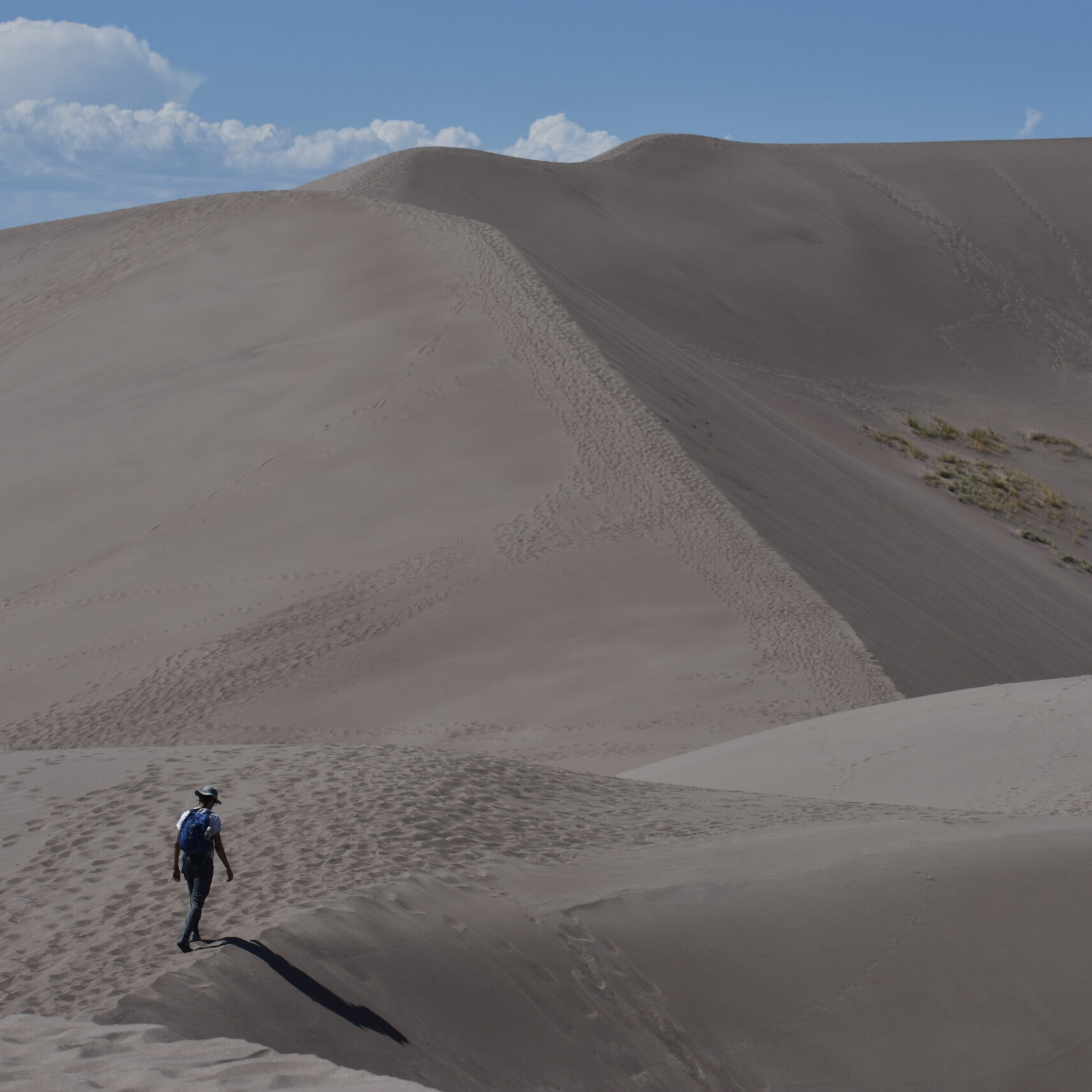
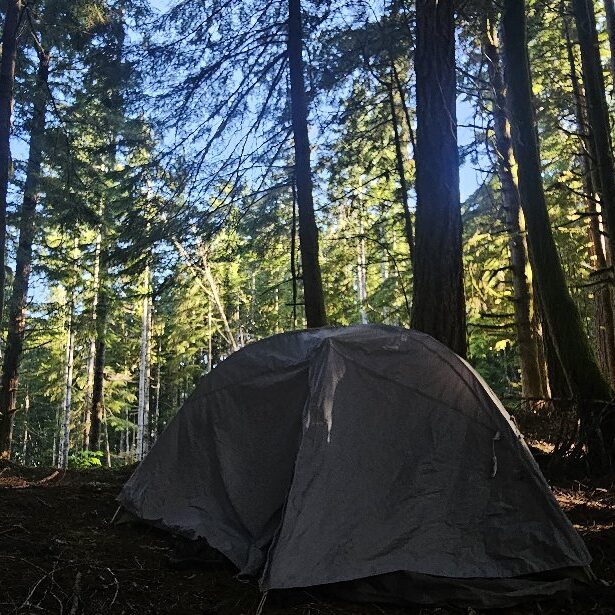
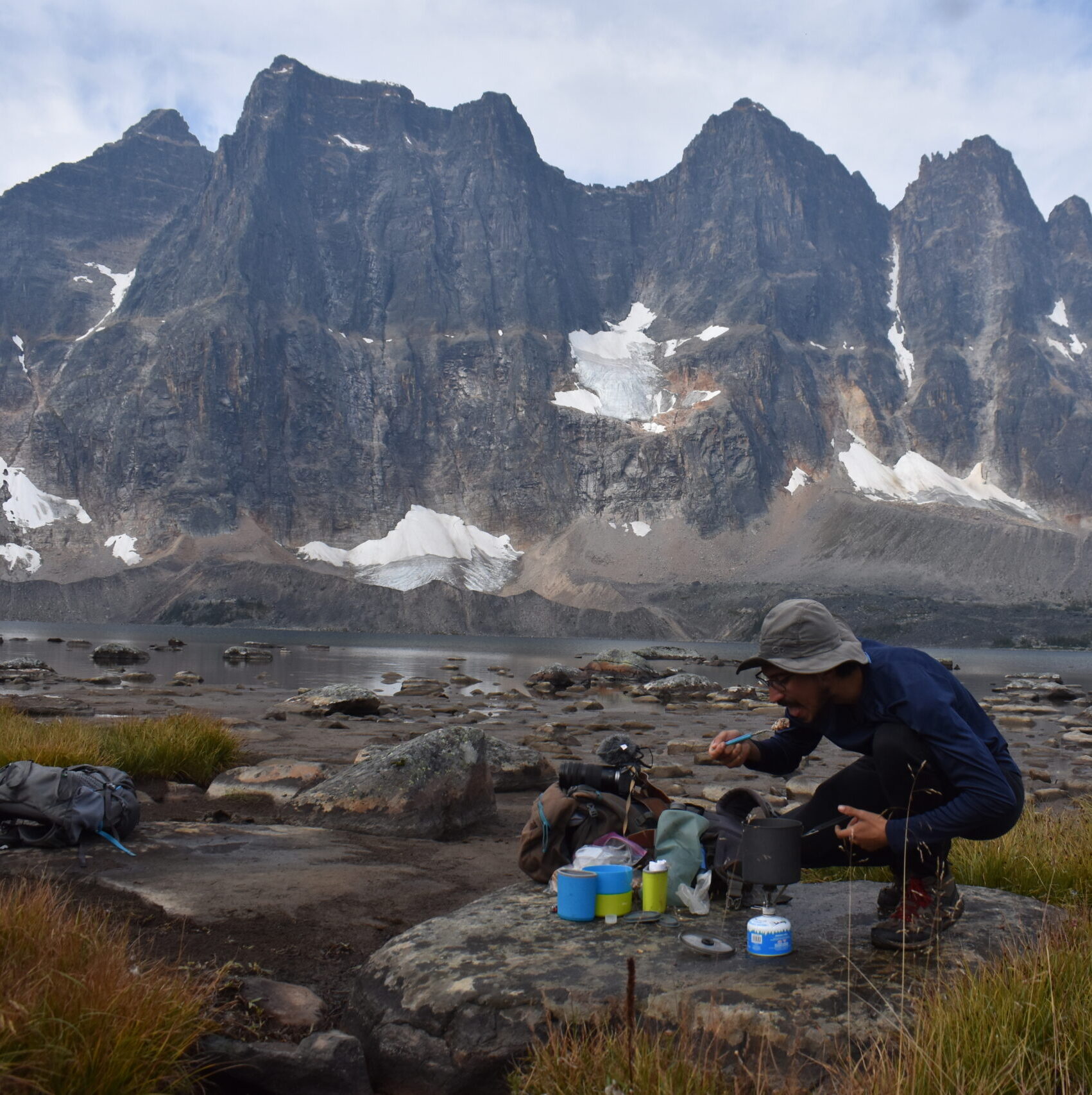
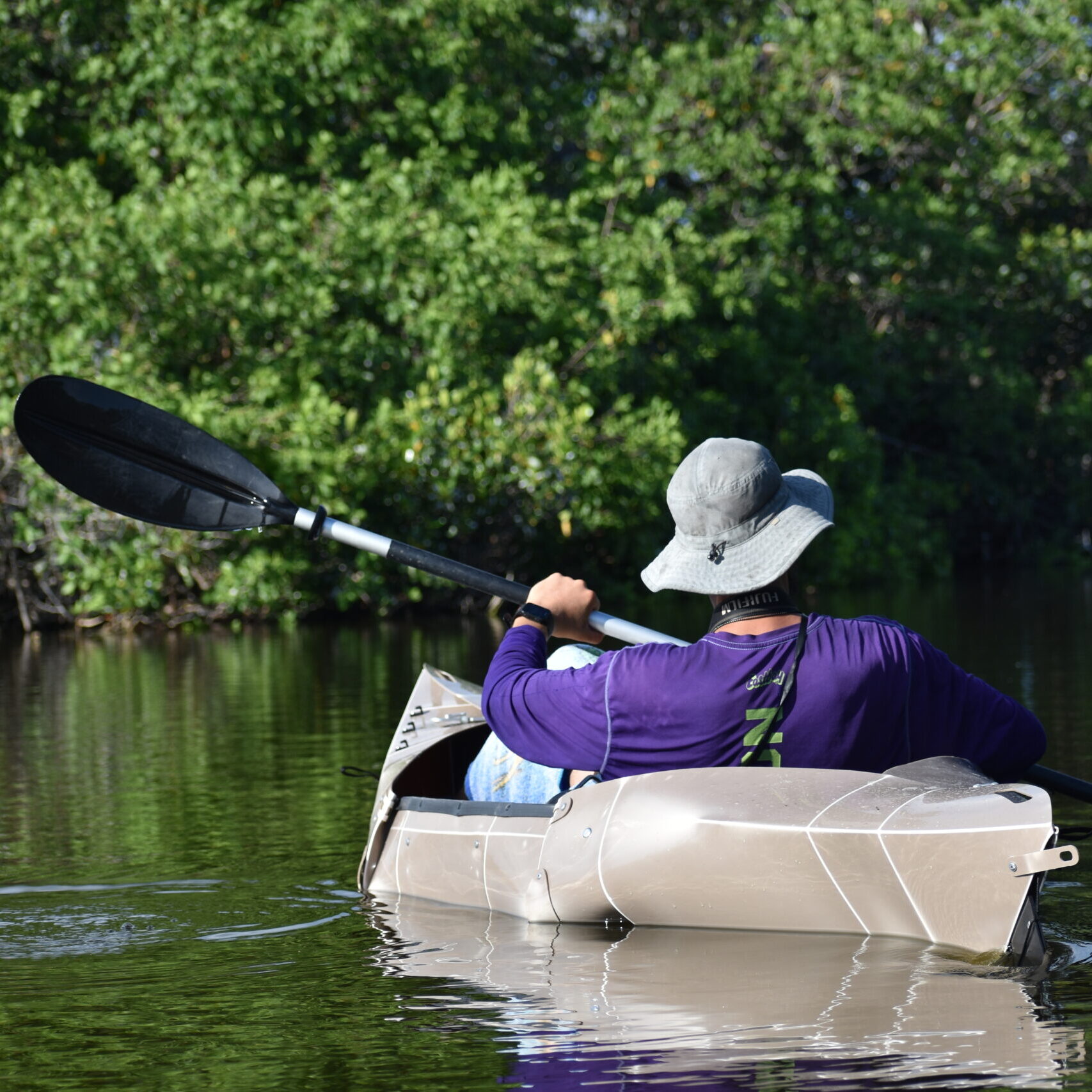
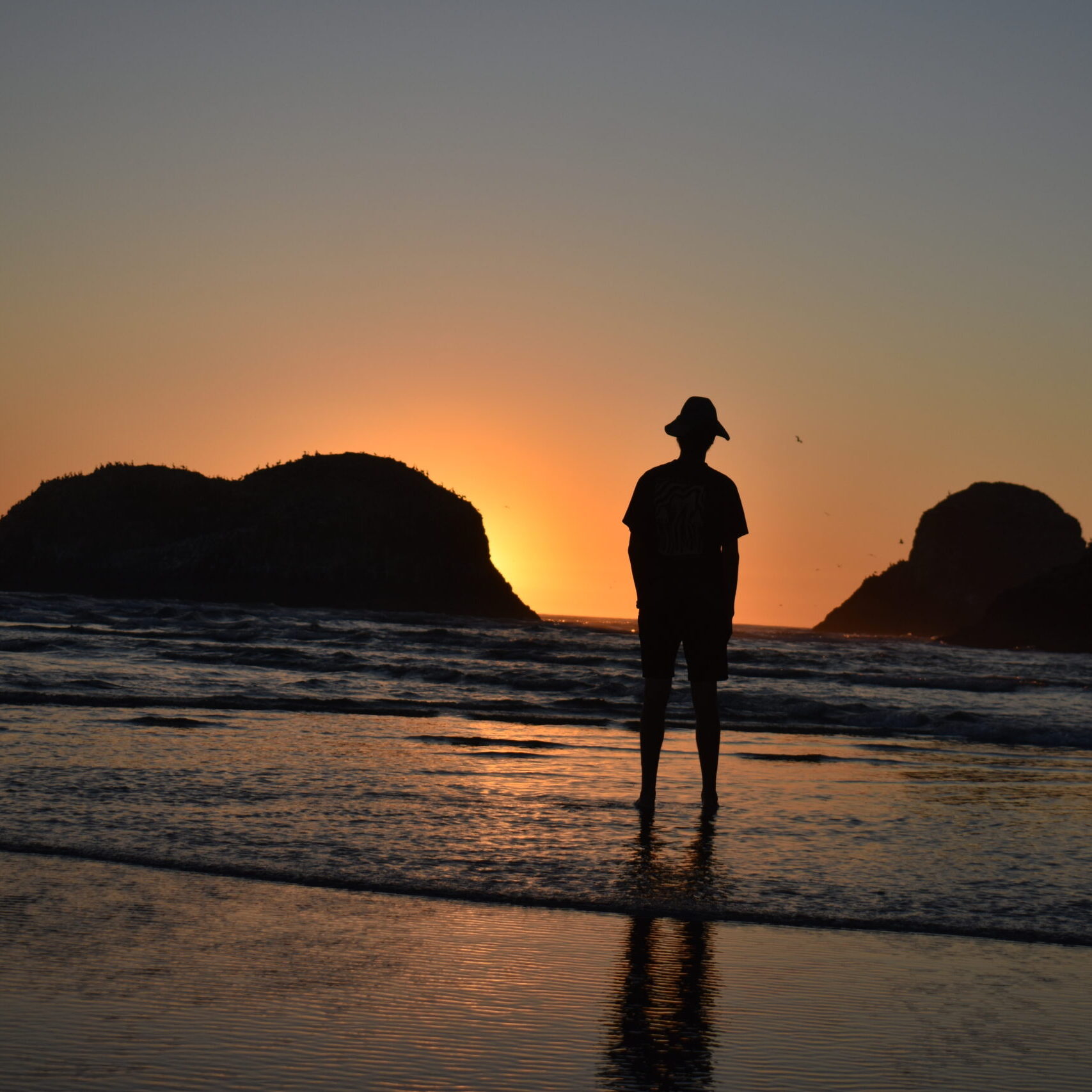
Starting with a road trip from South Florida to Colorado for a scientific process, I have now spent over around 6 cumulative months road tripping around North America. After spending some time in Colorado on that first trip, I explored Utah before heading back East to the Ozarks, Smoky Mountains, Everglades, and the Florida Keys. For my next research technician job I traveled from New Jersey all the way out to Oregon, stopping in the Driftless region, the Badlands, the Black Hills, and Yellowstone National Park along the way. While in Oregon I went on many smaller road trips exploring a large swathe of the state’s remote and not well known eastern half. After completing the position, I dipped into California’s redwoods, up the Pacific Coast to the peaks of the Cascade Range in Washington, further up to the Canadian Rockies, and back East to the shores of Lake Superior. During most of this road tripping, I tent camped, cooked food on a camp stove, and had access to limited amenities. I also embarked on several back country backpacking trips that have gotten me hooked on the feeling of camping in the wilderness. Planning these trips on the fly while trying to maximize what I was experiencing while also minimizing my costs in a way that was safe and enjoyable took a lot of creativity, mental fortitude, and flexibility that I am looking forward to putting to use in my career and whenever I embark on my next trip.
Native Bees in Eastern Oregon
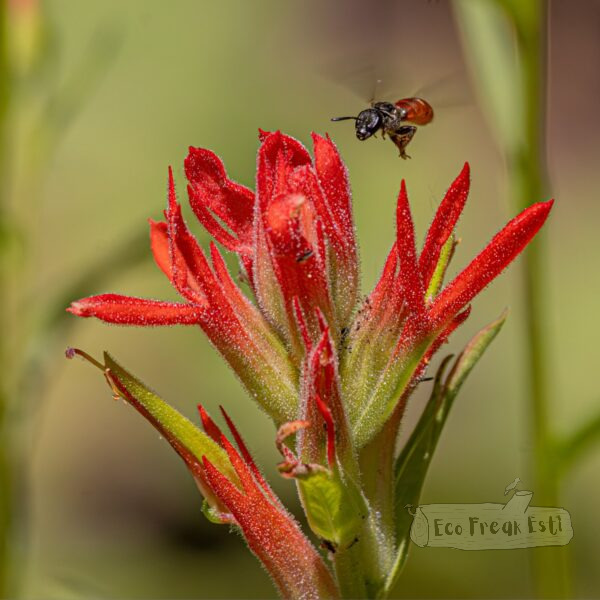
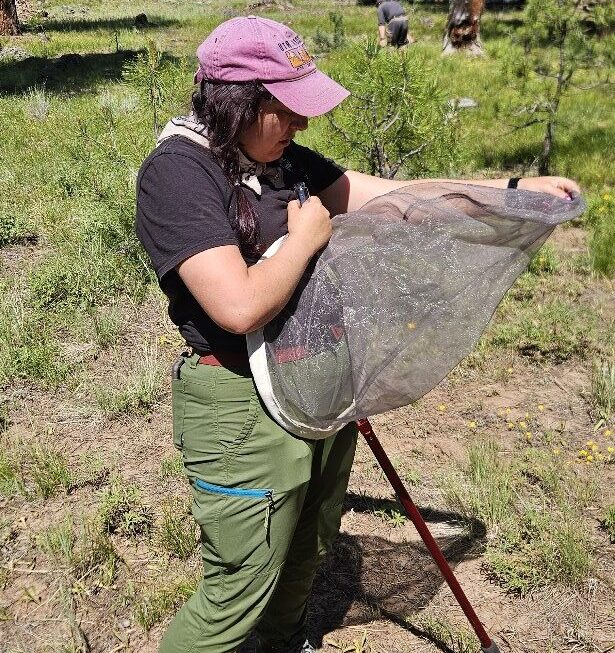
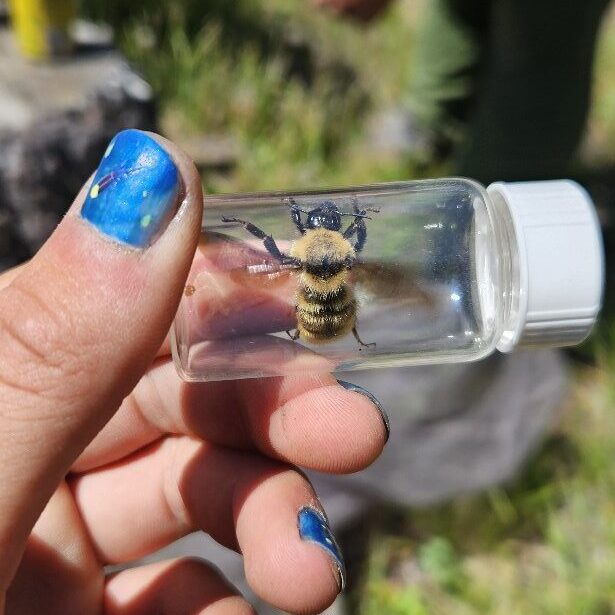
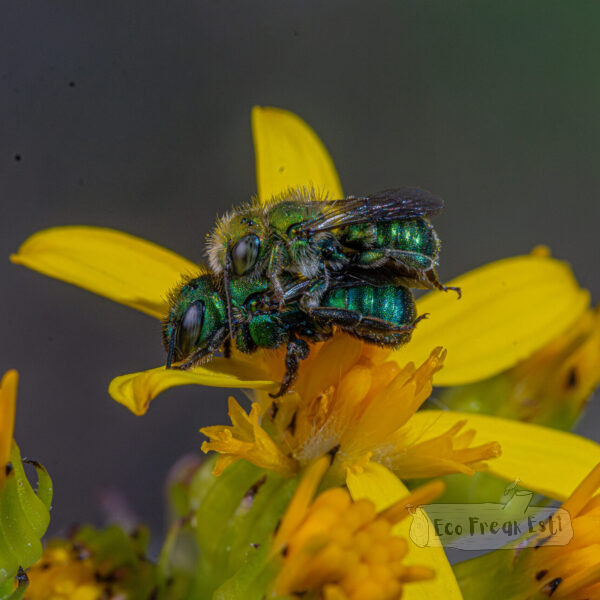
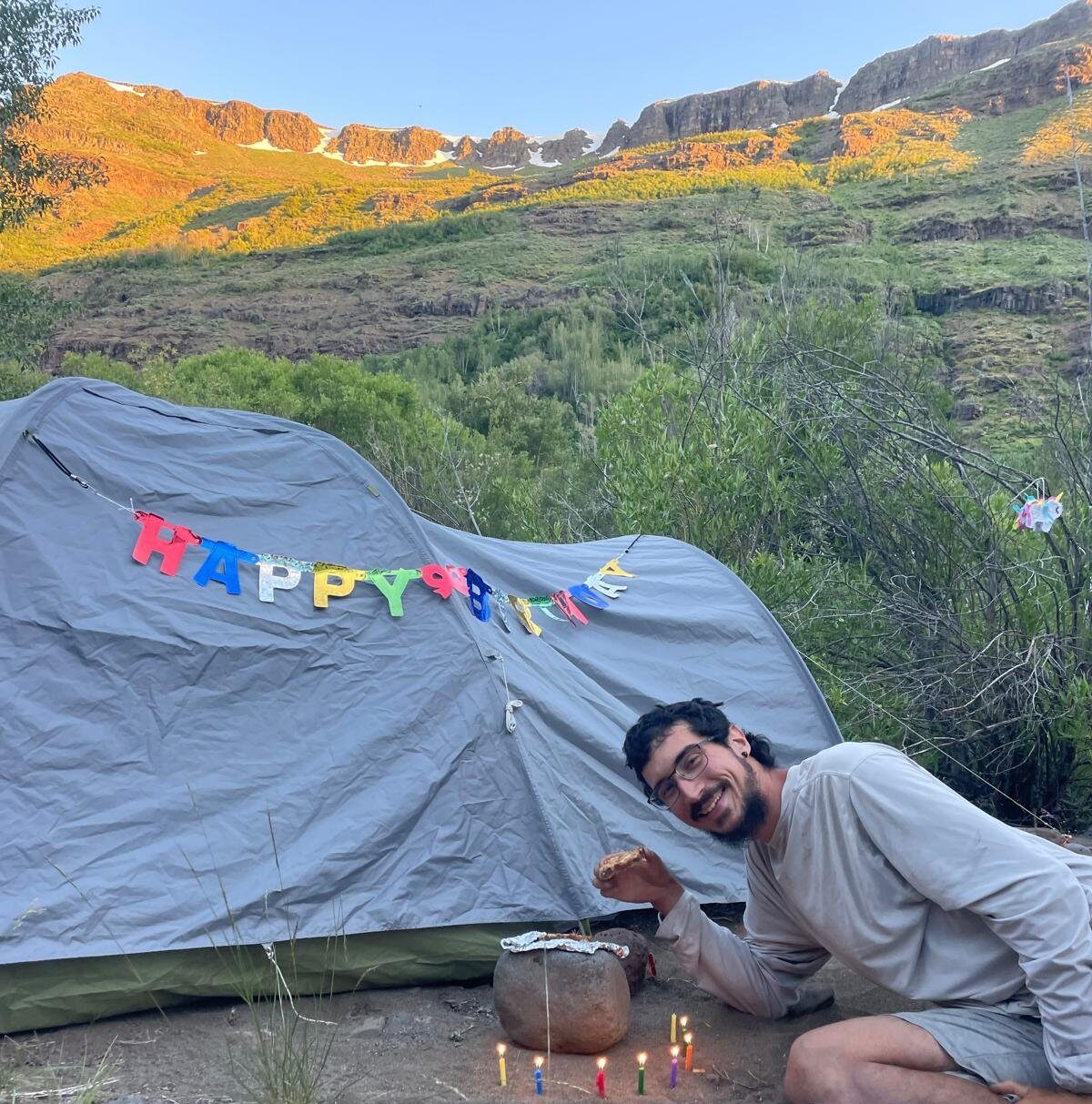
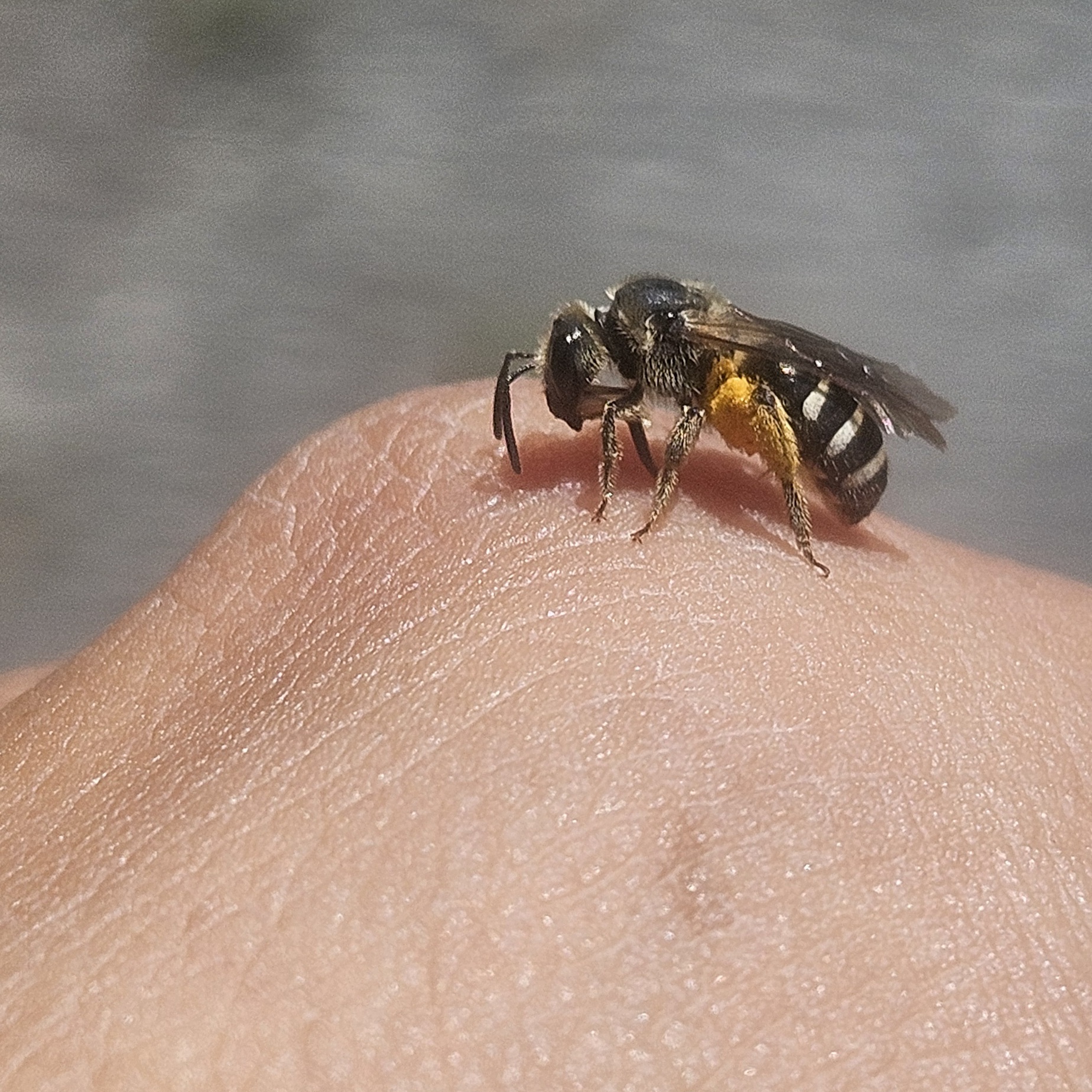
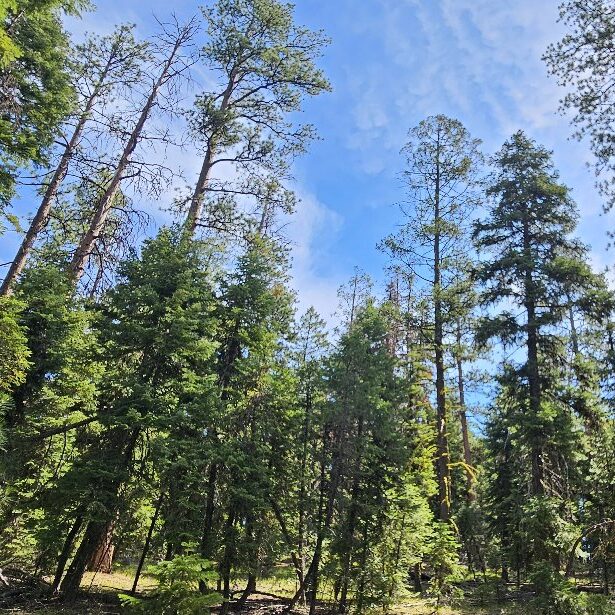
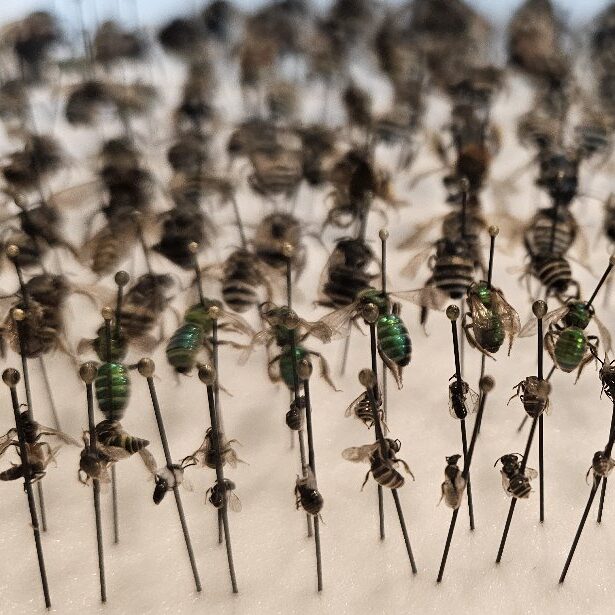
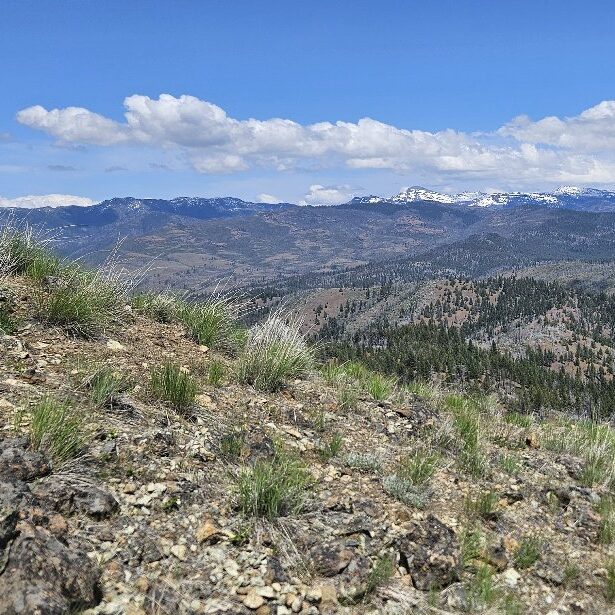
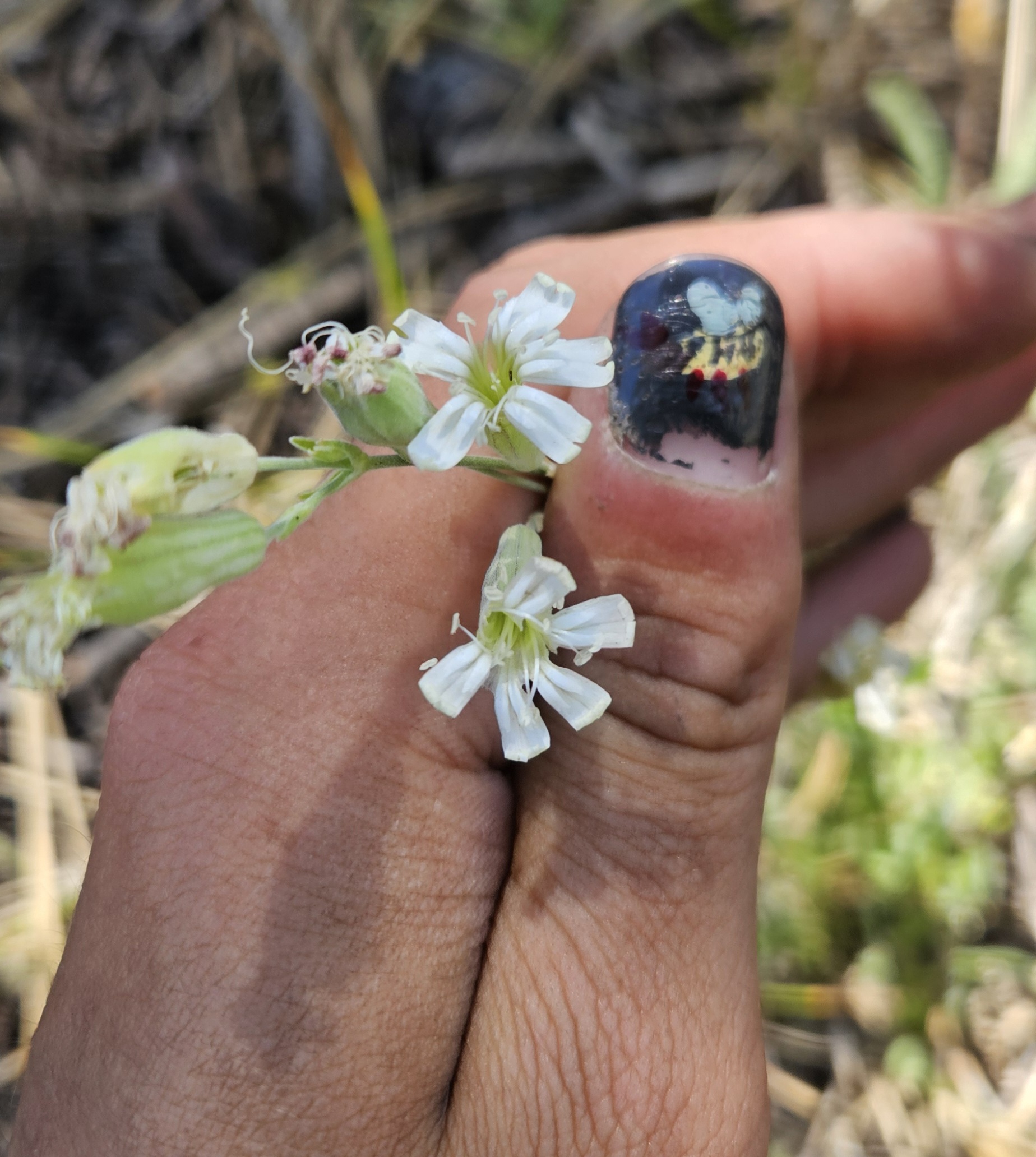
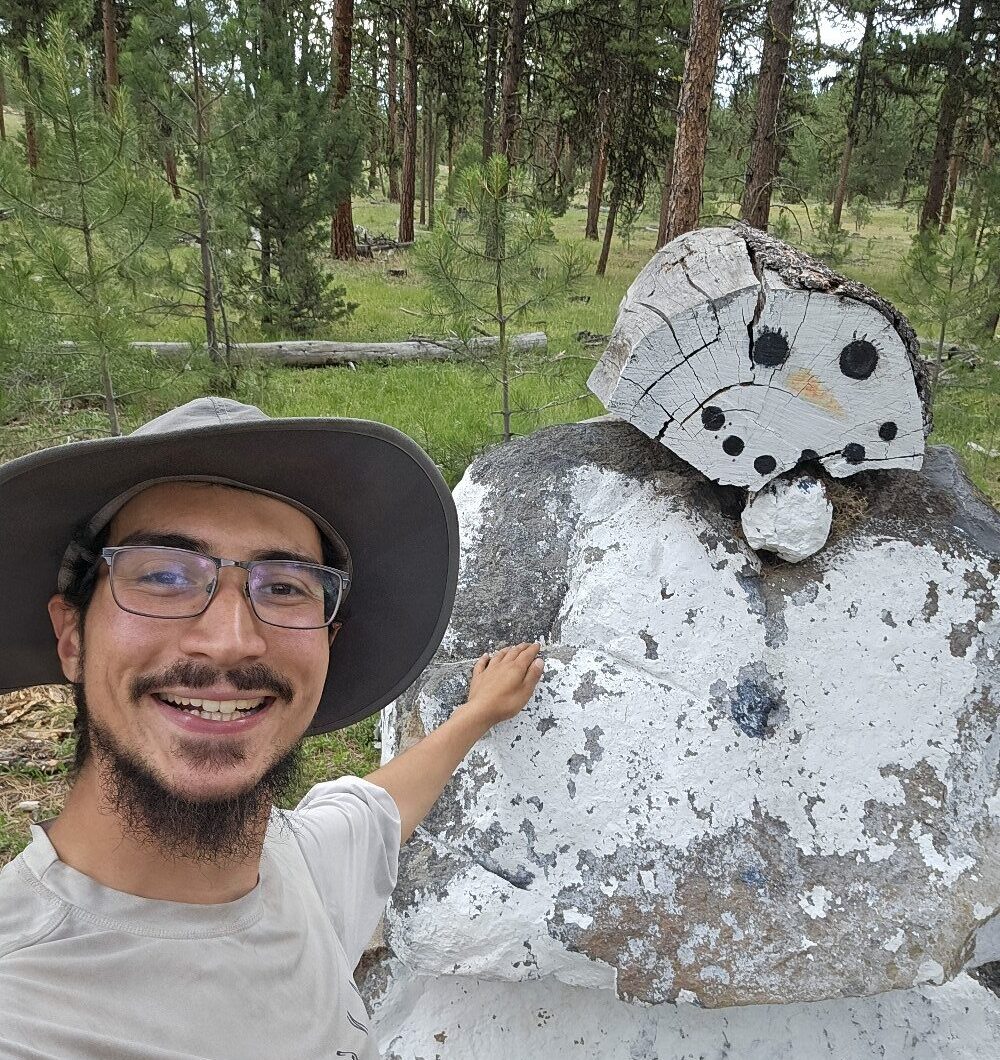
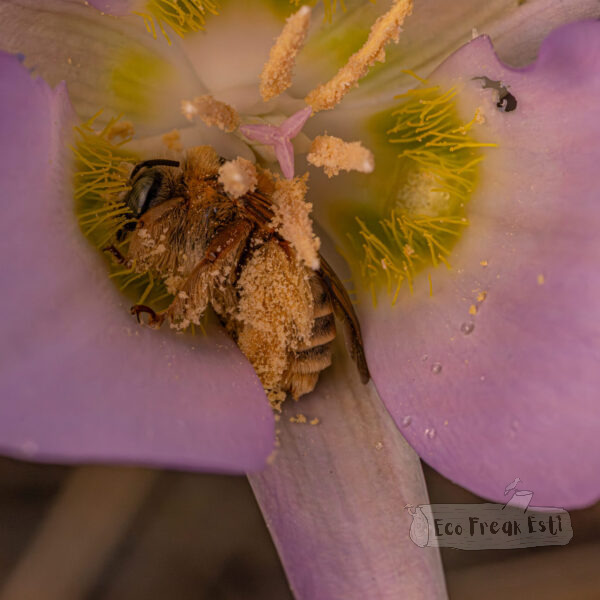
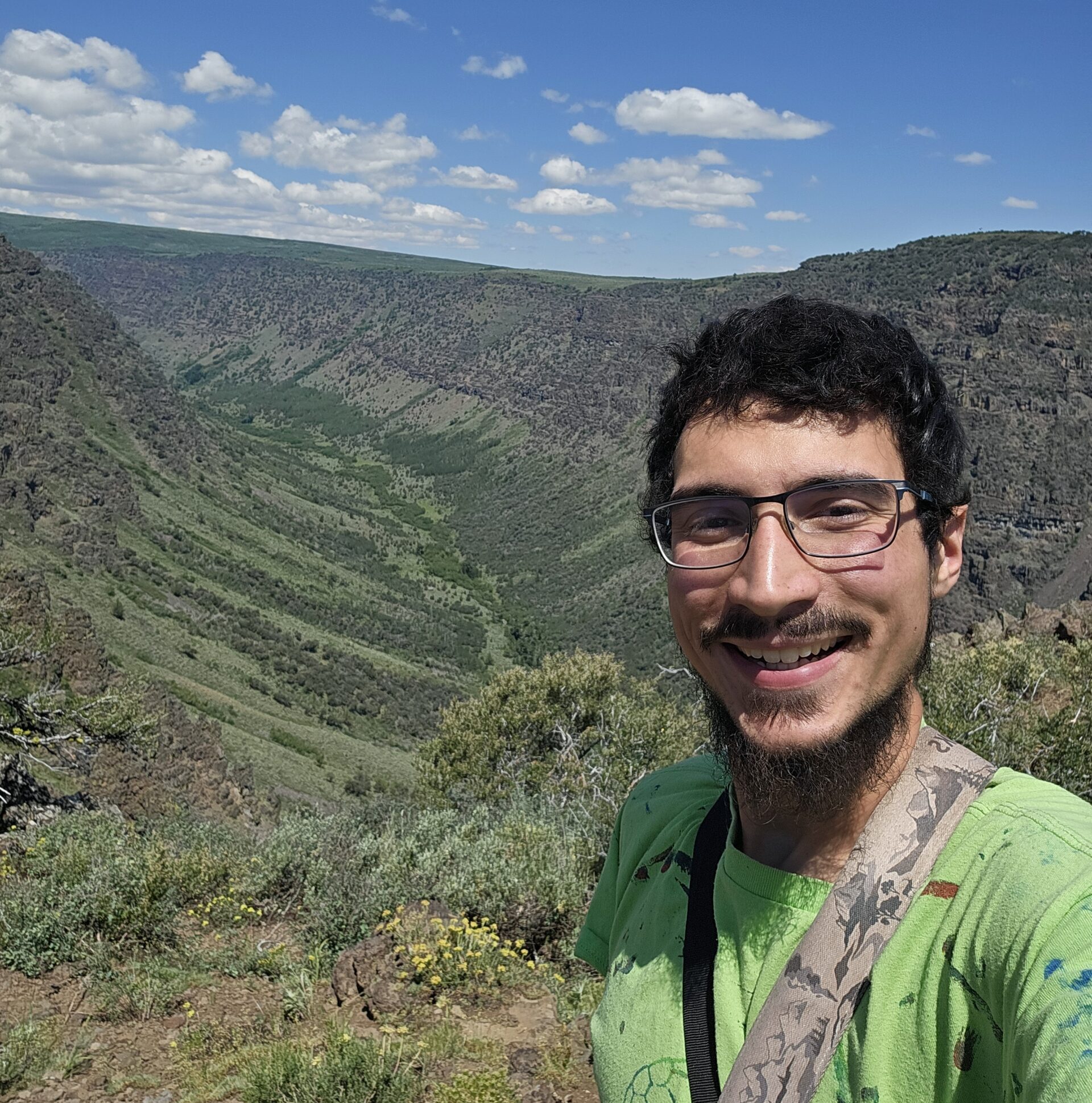
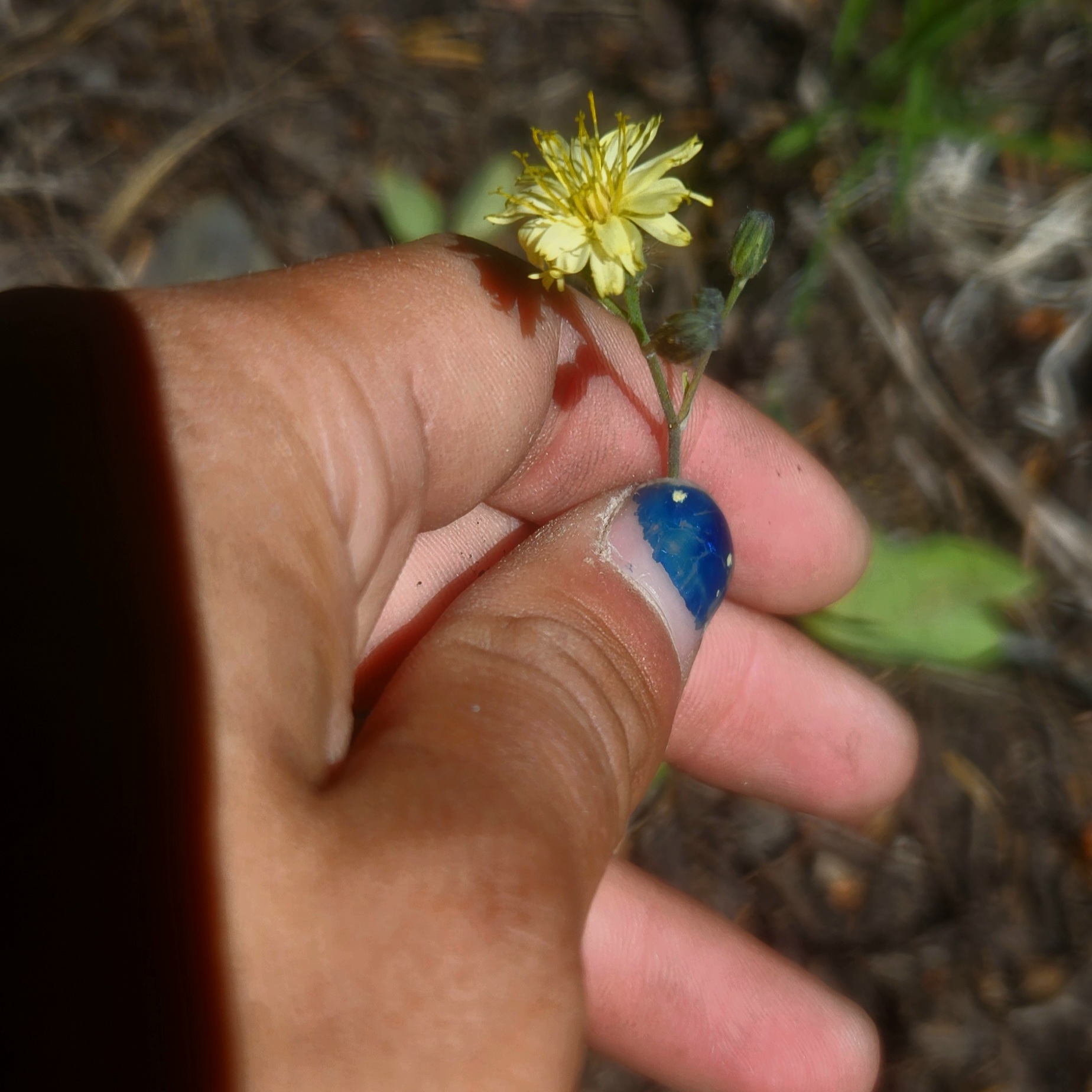
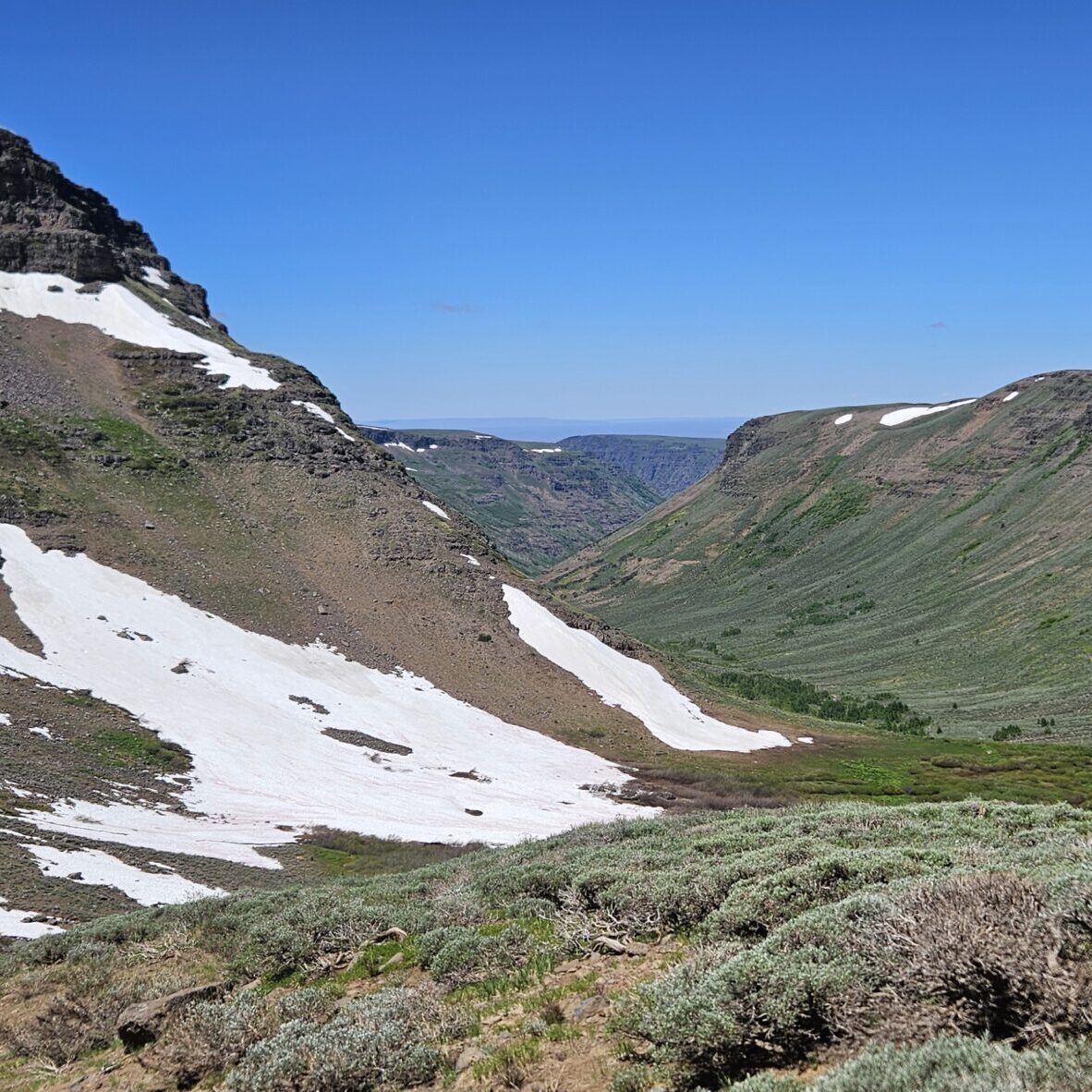
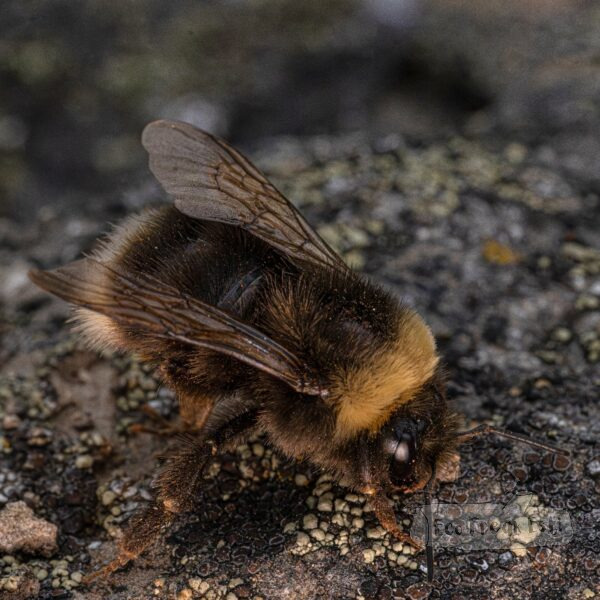
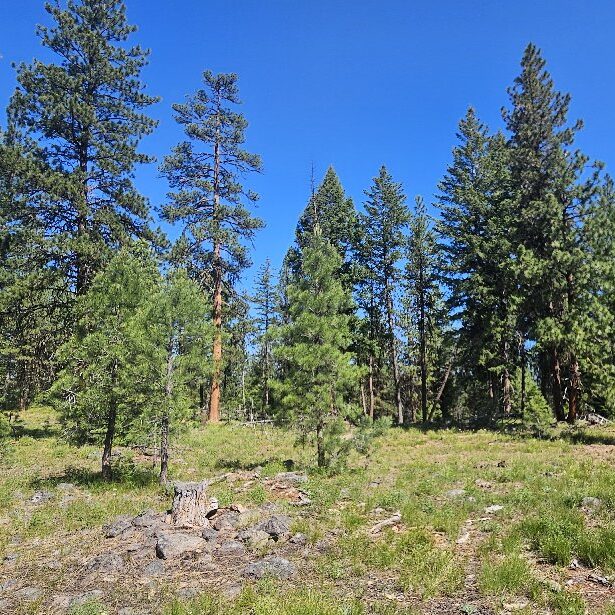
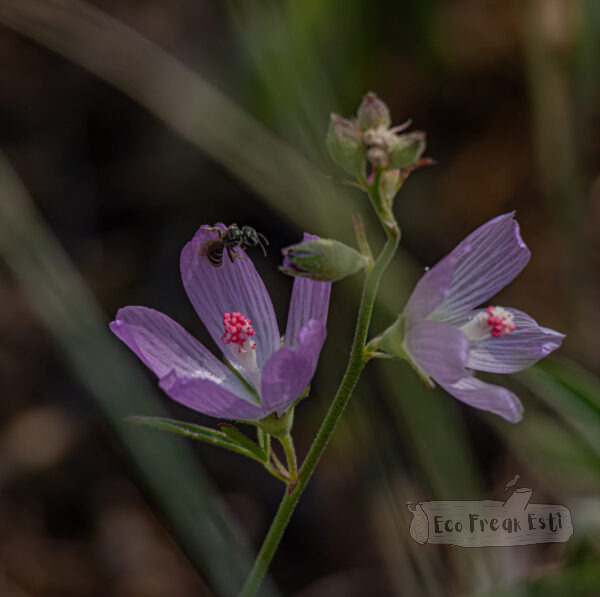
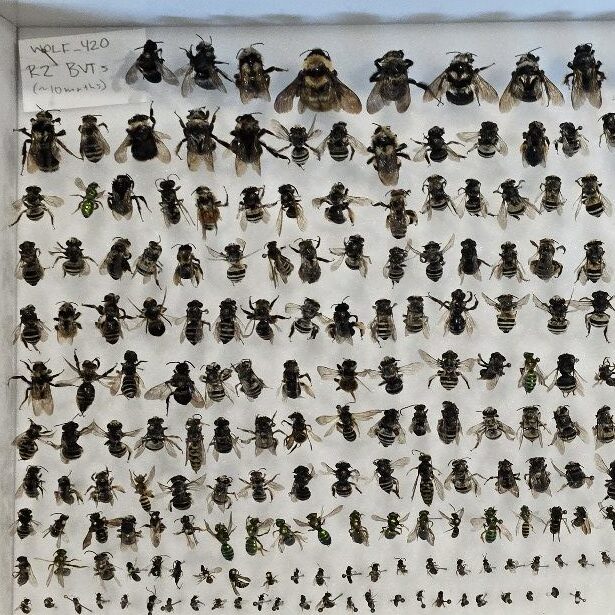
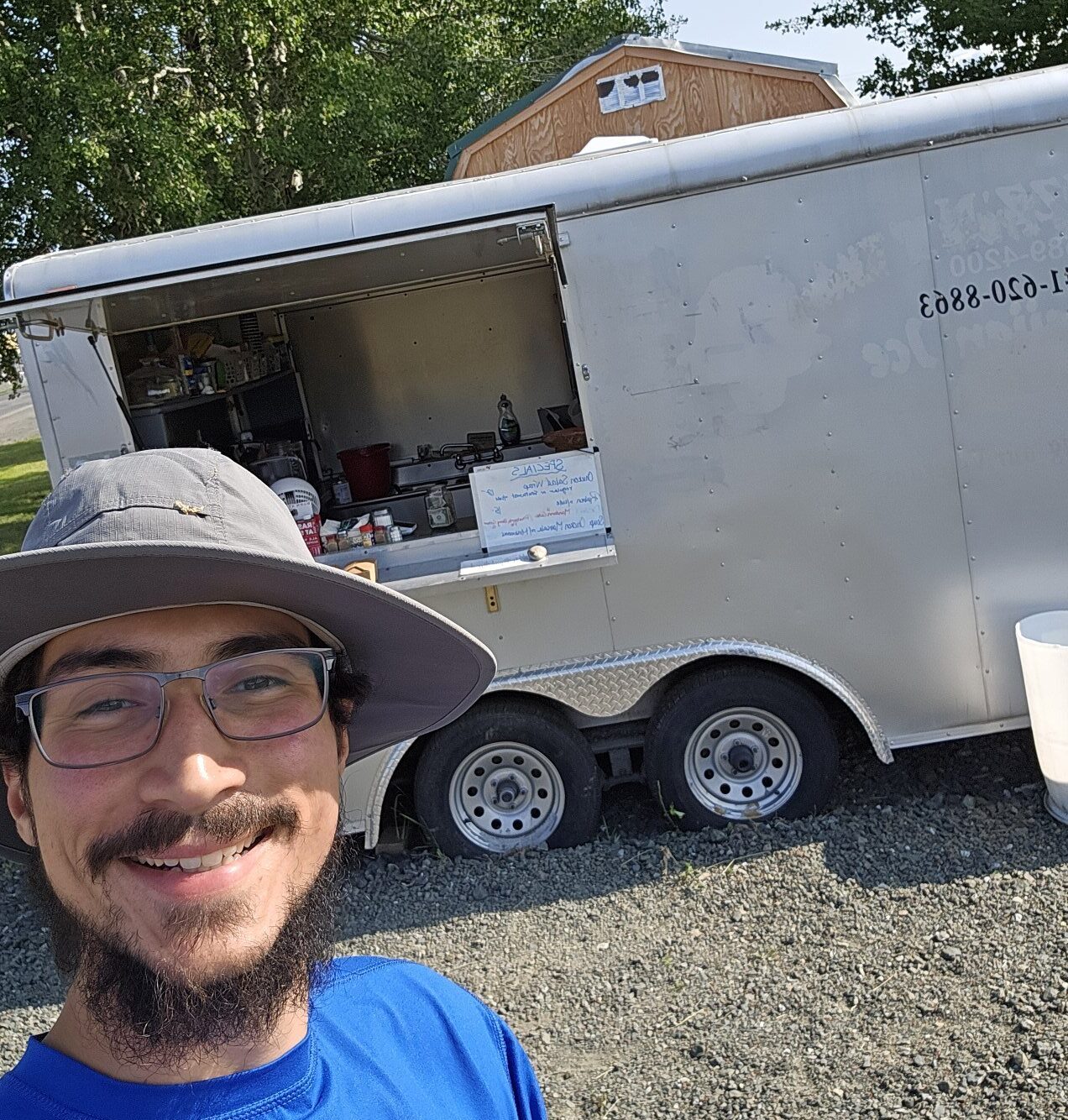
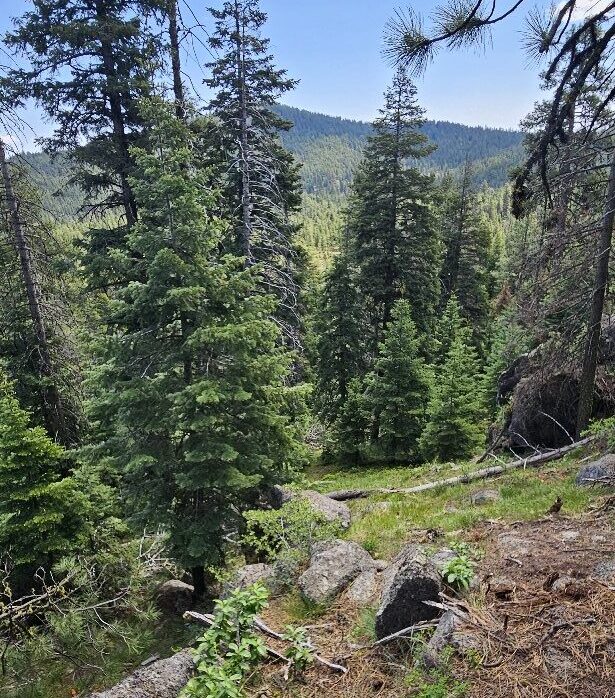
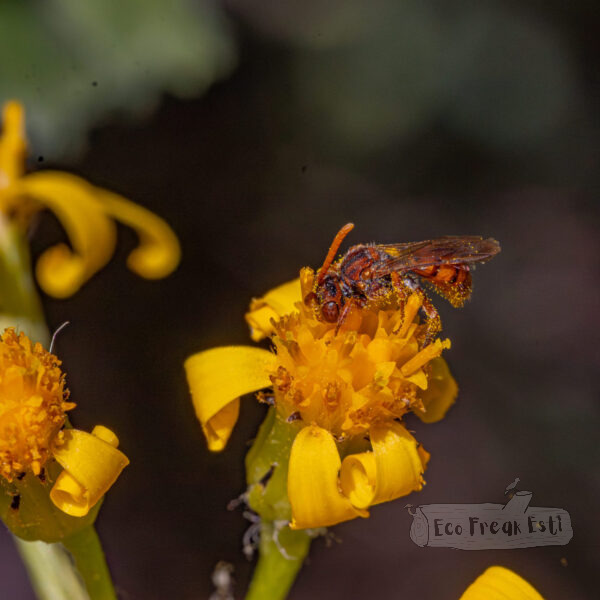
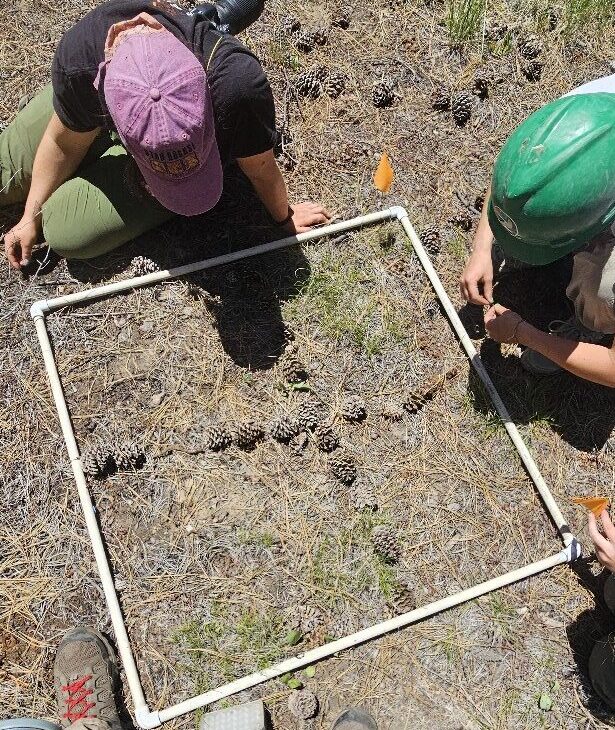
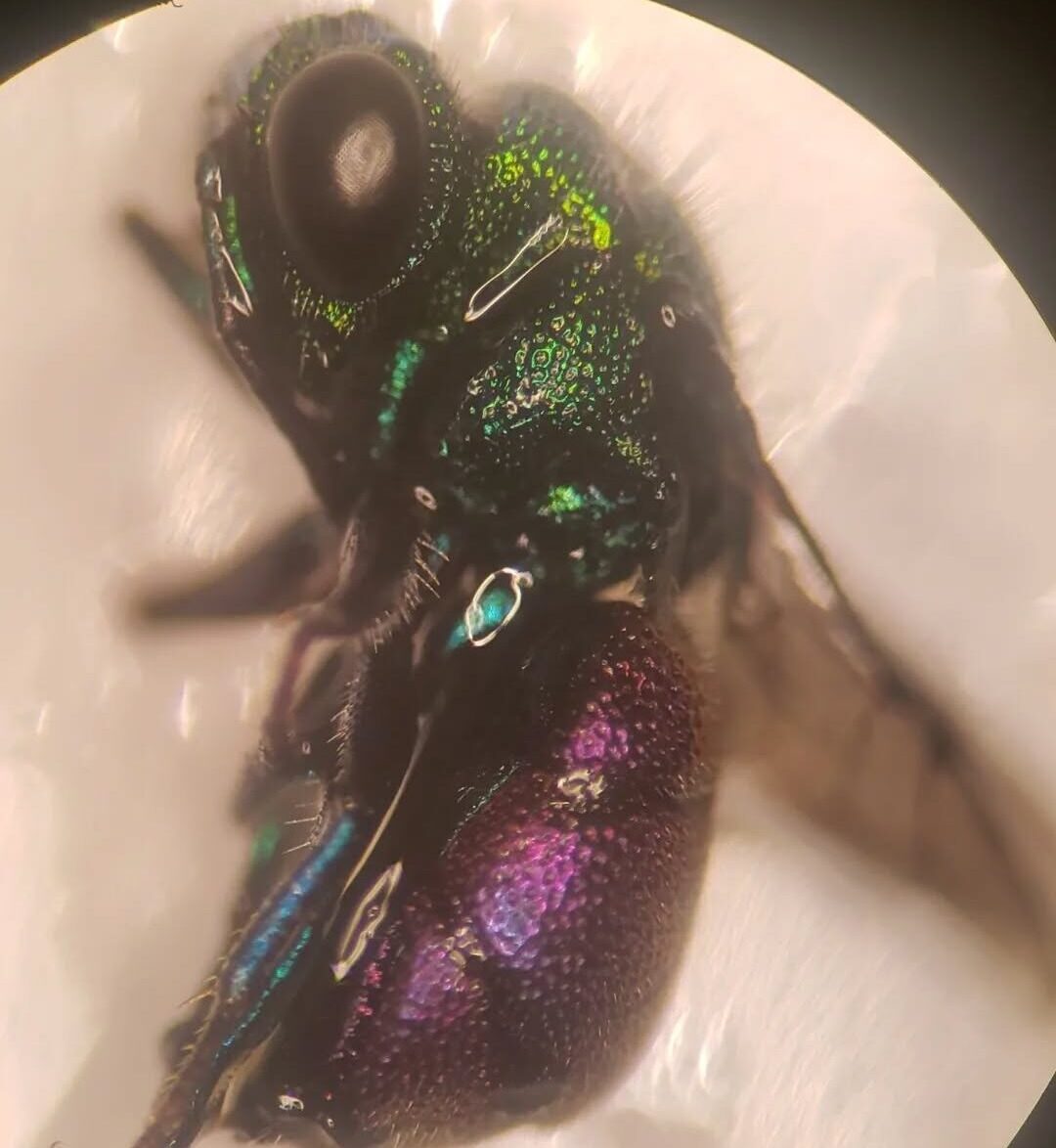
Working towards my goal of broadening the range of my research abilities, I took a job as a technician collecting data on the native bees of Eastern Oregon’s arid pine forests. Working primarily in the Malheur National Forest in the Blue Mountains, I was based extremely rurally. The town of Seneca that I lived in was home to a population of under 200, as well as a cute trading post that boasted an impressive array of goods and an amazing food truck called the Ball Shack. I spent most of my time out in the field collecting data on the structure of the forest, identifying flower species blooming, and capturing native bees for identification and analysis. The project aimed to examine if the strategy of managing the forest with both thinning and prescribed burning was having a positive impact on the native bee community. The work was tough but seeing how sites changed and collaborating with my team helped me enjoy the work. I loved it so much that I chose to celebrate my birthday by spending the weekend carrying nets, vials, and alcohol (the scientific kind) along with me on a 20 mile backpacking trip to sample bees from a remote understudied gorge. In addition to the many hours spent in the field, I helped pin hundreds of bees, some of which were mere millimeters in length. This position increased my interest in the behaviors and ecology of native bees and other pollinators and made me curious to try working in more remote locations.